Asian Markets Face AI Earnings Divergence and Energy Costs as US Rates Hold
The US rate pause leaves Asia’s markets focused on mixed AI results, energy costs and differing regional inflation and currency pressures.
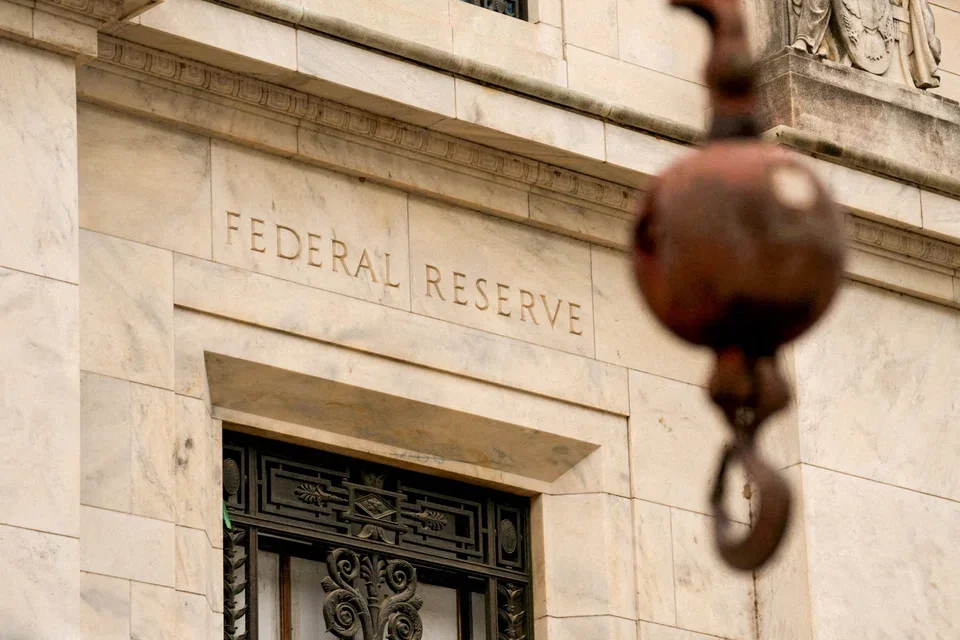
Asia’s market direction is being shaped by two forces the US rate pause can’t settle: the uneven outlook for artificial intelligence spending and the strain of elevated energy prices. The US Federal Reserve kept its target rate at 3.75% to 4%, while analysts pointed to diverging regional pressures on currencies, inflation and borrowing costs.

US technology results sharpened the uncertainty around the AI trade. Microsoft and Alphabet offered contrasting signals, leaving investors to weigh whether strong demand for AI infrastructure will translate into results across the companies supplying it. Market commentator Stephen Innes said the two companies’ results shifted attention away from the rate decision. In Asia, Samsung’s results missed estimates, and South Korea’s Kospi fell 1.2 per cent on Thursday, reversing gains after SK Hynix reported strong results the previous day.
The split matters for regional markets because enthusiasm for AI has helped drive semiconductor shares, but the latest results don’t point in one direction. The story now depends on how individual companies perform and how investors interpret their prospects. DBS Group Research analyst Yeo Kee Yan expects to remain selective in technology, where mixed results may keep trading volatile.

Energy costs and currency strain
Higher oil prices are adding pressure elsewhere. Michael Langham, emerging markets economist at Aberdeen Investments, said energy costs are weighing on currencies in importing countries and could make US dollar funding tighter. He also expects US growth to remain strong, leaving the region to manage a combination of external cost pressure and a firm US economy.

Langham said the energy shock is straining fiscal measures across Asia, with support likely to become more targeted. Countries facing currency pressure, including the Philippines, India and Indonesia, could see further monetary tightening. That possibility shows why an unchanged US rate doesn’t settle the regional outlook: central banks face different exchange-rate and inflation conditions, and may have to respond accordingly.

Equity performance reflected that variety. Hong Kong’s Hang Seng Index lost 0.6 per cent, Malaysia’s FTSE Bursa Malaysia KLCI declined 0.2 per cent, and Japan’s Nikkei 225 gained 1.1 per cent. Singapore’s Straits Times Index ended flat.

The Singapore index has less direct exposure to the semiconductor rally because of its tilt toward banks and real estate investment trusts, said Tiger Brokers chief market strategist James Ooi. He cautioned that interest rates are only one part of the case for Reits: lower borrowing costs can help, but distributions also depend on rental income and occupancy. That distinction matters for investors assessing the sector during a rate pause, since financing conditions alone don’t show whether property income can support future payouts.

Yeo identified rate-sensitive sectors such as Singapore Reits, developers with potential to unlock value, and gold-related stocks as areas of interest amid the Fed pause and mixed AI results. He contrasted the current setting with the 2022 rate-hiking cycle, when the Fed raised rates aggressively and in succession. The comparison highlights a different pace of change, though the direction of rates remains uncertain.

Bond markets follow local conditions
For fixed-income investors, the central theme is growing divergence between countries and sectors. Navin Saigal, BlackRock’s head of Asia-Pacific global fixed income, said real yields remain attractive and that differences between markets can broaden the scope for diversification and active selection.

China’s domestic inflation and demand are more subdued, while Australia and other parts of North Asia face firmer inflation. Japan remains on a path of rate normalisation. Across South-east Asia, exposure to AI and energy creates different economic effects. As Saigal argued, a US pause doesn’t mean Asian central banks are standing still: each is responding to its own mix of growth, inflation, currency and external pressures.

That divergence is increasingly relevant to bonds, where local rate expectations, currency movements and credit conditions can vary across markets. Saigal pointed to opportunities across yield curves, currencies and credit, including financing needs linked to the region’s AI and infrastructure expansion. His view is that investors can combine exposure to local interest rates with selective credit positions as those needs develop.
The rate decision therefore offers limited reassurance on its own. Equity investors still have to weigh uneven AI results against energy costs and currency pressure; bond investors face markets moving to different local rhythms. The next signals to watch are whether AI-related company results become more consistent and whether high energy prices continue to strain currencies and regional budgets.