India’s Health Cover Reaches Nearly Half the Population, but Hospital Costs Still Vary Sharply
Rural health coverage climbed to 47.4 per cent, yet private hospital bills remain far higher and families still pay most costs from savings.
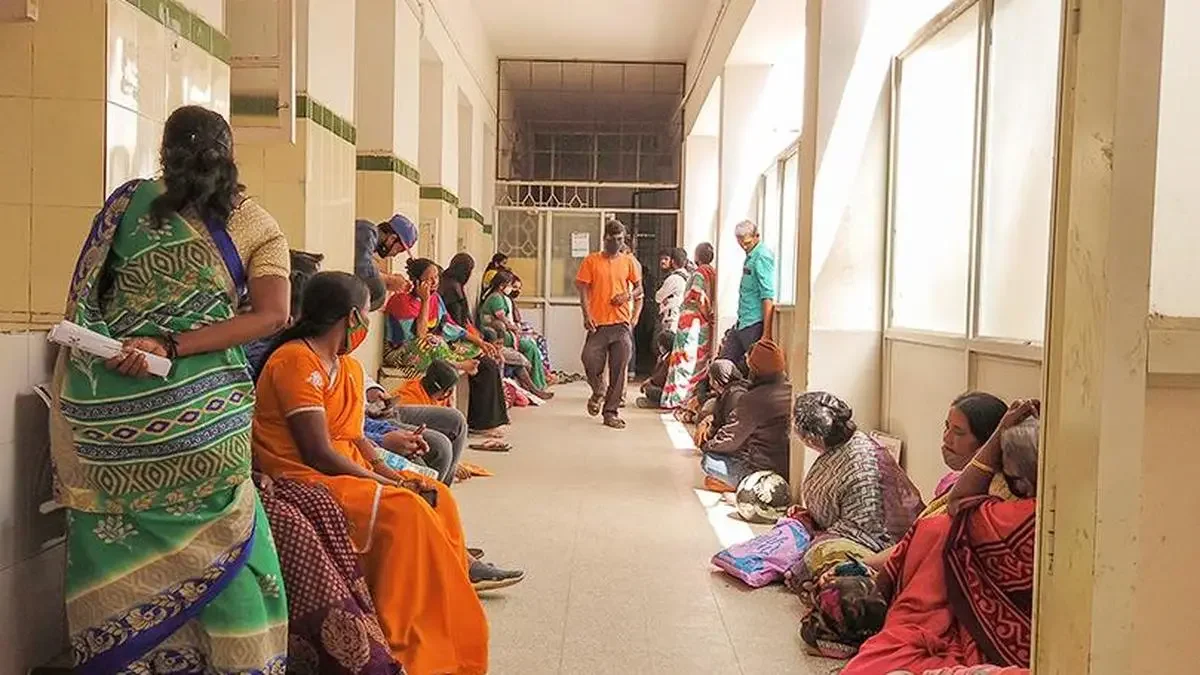
India’s health coverage has expanded quickly, but the 80th Round of the National Sample Survey points to a gap between having cover and receiving financial protection when hospital care is needed. Rural coverage reached 47.4 per cent in 2025, up from 14.1 per cent in 2017-18. The next test is whether that expanded reach can reduce the costs families face and improve access to care they trust.
The survey covered 1,39,732 households through 2025. Its figures show that government sponsored schemes drove almost all of the rise in rural coverage: their share increased from 12.9 per cent to 45.5 per cent over seven years. Rural coverage now stands above the urban figure of 44.3 per cent, a notable shift in the reach of health financing.
AB-PMJAY accounts for around 27.7 per cent of rural coverage. Coverage also appears relatively even across social groups, with government sponsored schemes contributing to that pattern. Among Scheduled Tribe households, coverage is 58.8 per cent, the highest of the groups reported, and AB-PMJAY accounts for around 37 per cent. Those figures suggest the scheme has reached many of the households it was designed to protect from the financial strain of serious illness and hospitalisation.
Coverage does not tell the whole story
The survey’s more difficult question is what happens after a covered patient enters a hospital. Among insured hospitalisation cases, an insurer or employer reimburses an amount equivalent to about 16 per cent of the total medical bill. For uninsured cases, reimbursement is effectively zero. That 16 per cent figure needs context: nearly 47 per cent of hospital admissions take place in government hospitals, where patient bills are much lower.
In government hospitals, an insured patient pays an average of ₹10,308 per hospitalisation, while the median bill is ₹1,100. These figures cover cases during the last 365-day period. The low median indicates that many patients pay little, even as the average is higher. In such settings, much of the protection comes through the facility absorbing costs rather than through a claim reimbursing a patient’s bill. A claims measure alone can therefore understate the support families receive in public facilities.
The comparison with private hospitals is stark. There, insured patients pay an average of ₹54,321 per hospitalisation, with a median bill of ₹24,000 over the same period. The difference does not appear to stem mainly from longer stays: average duration is 5.4 days in government hospitals and 6.0 days in private ones. The daily cost is the sharper divide. Under PM-JAY, out-of-pocket spending averages ₹1,931 per hospitalisation day in a government facility and ₹8,624 in a private one.
That gap matters because insurance coverage and the cost of the care families choose are separate parts of the financial picture. A patient may be covered and still face substantial spending, particularly when treatment takes place in a private facility. The survey does not establish why each individual bill is high, but its figures show that hospital type is associated with a large difference in what patients pay.
Why families turn to private hospitals
The reported reasons for not using a government facility point chiefly to service availability and confidence. Only 0.33 per cent of these cases cited financial constraints. The most common reason, at 37.2 per cent, was a preference for a trusted doctor or hospital. Another 30.3 per cent involved respondents who said a facility was available but judged its quality unsatisfactory or found no doctor available. Specific services were unavailable in 11.9 per cent of cases, while 12.0 per cent cited long waiting times.
These responses suggest that expanding entitlements by itself may not change where patients seek care. Trust, staffing, service capacity and waiting time shape that choice. For health planners, the figures offer a way to focus attention on the barriers people report, while recognising that preferences and experiences may differ between places and facilities.
The financial consequences reach beyond the hospital bill. Households financed 81.8 per cent of hospitalisation cases through income or savings, while borrowing accounted for 12.3 per cent and help from friends and relatives for 4.2 per cent. Spending savings on treatment can leave less money for other needs or a later emergency. Families also lose income while care is under way: the average loss is ₹458 per day of hospitalisation in rural areas and ₹497 in urban areas.
Measures to track the next stage
The survey’s findings point to several practical ways to assess progress. First, the reasons patients give for avoiding government facilities could serve as a service scorecard. Unavailable services and waiting times together account for about 24 per cent of cases, suggesting capacity constraints. Trust, perceived quality and doctor availability account for about 68 per cent, highlighting the role of staffing and patient confidence. Reporting these measures at State and NSS region level, where the survey design supports comparison, could help identify where investment is most likely to address reported problems.
Second, scheme monitoring could include a recovery ratio: the reimbursed amount as a share of the total bill. Reporting that measure by State and hospital type would make financial protection easier to compare with enrolment. The survey data show that the ratio can be calculated; administrative data could make it possible to track more frequently.
Clear information for beneficiaries is another part of the picture. People need to know which procedures are covered, which hospitals are empanelled, how cashless services work, what documents are required and how to raise a grievance. Better communication can help patients use cover they already have, though it cannot resolve shortages of doctors or services.
Finally, the reported lack of doctors and unavailable services make continued investment in public healthcare infrastructure a direct response to the survey’s findings. India has reached close to half the population with health coverage, but enrolment alone does not capture the cost of care, the reliability of local services or the reasons patients choose private facilities. The next measure of progress will be whether families pay less and find the care they need closer to home.


