Odisha Deploys Helicopters and Rescue Teams as Floods Isolate Ganjam and Gajapati
About 50,000 people are severely affected in Ganjam as floodwaters disrupt roads and limit access to stranded communities.
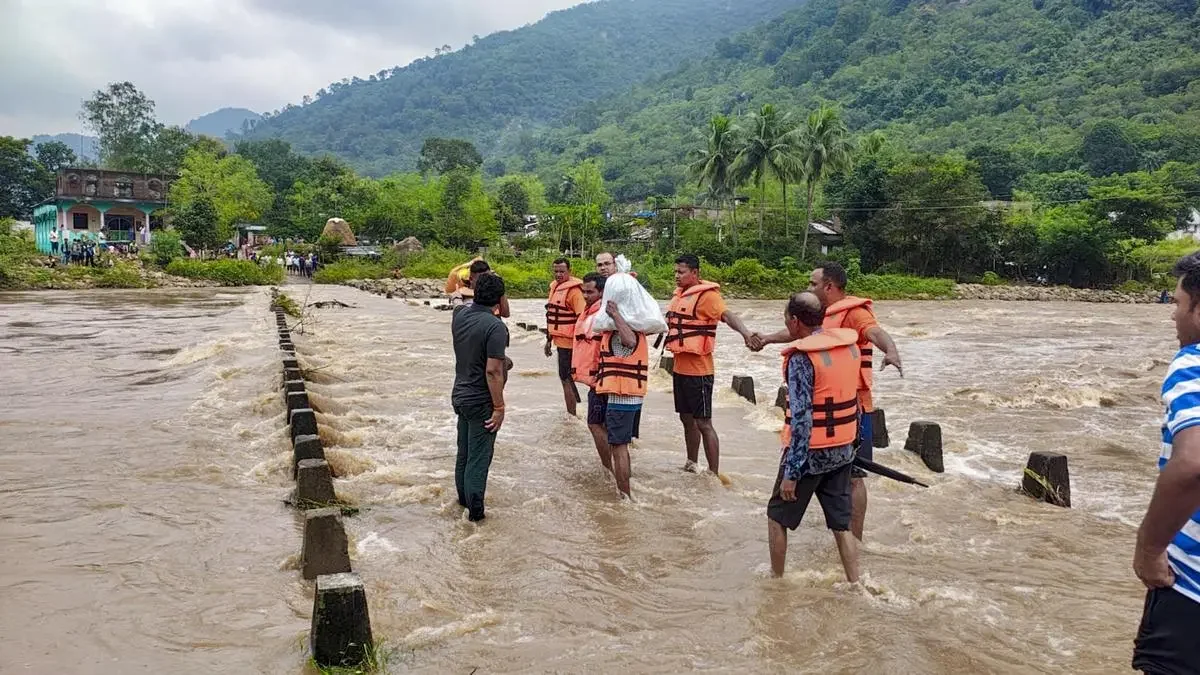
The immediate challenge in Ganjam and Gajapati is access. Flood currents have prevented rescue teams from reaching some communities by boat, while damaged roads and bridges have cut off routes for moving food and water. Odisha has prepared helicopter drops for isolated areas as rainfall eases and teams assess where ground distribution can resume.
About 50,000 people have been severely affected in Ganjam, Disaster Management Minister Suresh Pujari said Friday. Helicopters have been requisitioned to drop food packets at 21 identified locations where there is no other way to deliver supplies. The Indian Coast Guard was also asked to airlift stranded people and deliver food to inaccessible pockets of the district.
Rainfall overwhelmed expected preparations
The scale of the flooding caught the administration off guard. Preparations for cyclone Arnab had focused on the possibility of a major impact in Malkangiri, Chief Minister Mohan Charan Majhi said at a meeting Friday. Instead, Ganjam and Gajapati experienced exceptionally heavy rain and severe flooding.
Patrapur block in Ganjam received 54 cm of rain in 24 hours, Majhi said. Chief Secretary Anu Garg said the rain that fell in Ganjam during that period exceeded the area's annual average rainfall. The figures help explain why response teams faced conditions that made normal access difficult: heavy flows formed quickly, reaching settlements and transport links before teams could move through them.
Garg said the strength of the current stopped National Disaster Response Force (NDRF) and Odisha Disaster Rapid Action Force (ODRAF) personnel from entering several affected areas. Pujari said even modern boats could not reach people because the water was flowing too forcefully. The constraint is practical as well as logistical: a rescue route that is passable in standing water can become unsafe when currents are strong.
Roads and bridges cut off communities
The Rushikulya river overflowed, inundating villages and damaging key connections. Dasamaili village in Dharakote block is under nearly 10 feet of water, and a bridge near Patashala has been washed away. Near Achhuli, a 30-foot breach has opened along the river.
Road access is also severely disrupted. The route linking Aska, Berhampur and Sorada has been affected, while around five feet of water is flowing across the Tankachhai-Hinjilicut road. Floodwater has entered residential areas in Sorada, Aska, Bhanjanagar and Purushottampur, as well as Bhanjanagar town and Sanakhemundi.
These breaks in connectivity matter beyond travel. When roads are submerged and bridges are gone, the same routes used to reach residents are also needed to bring in cooked meals, drinking water and other relief supplies. Air drops can serve locations that ground crews cannot reach, but they depend on identifying suitable drop points and matching deliveries to areas cut off from other help.
Response shifts as rainfall subsides
Of 313 rescue teams deployed across Odisha, more than 100 are working in Ganjam and Gajapati, Pujari said. With rainfall easing over the past 12 hours, NDRF and ODRAF personnel are expected to distribute cooked food in places where residents remain surrounded by floodwater. Collector V Keerthi Vasan said relief work had been intensified and materials had been distributed since Thursday.
The easing rain may create room for teams to reassess routes and reach communities that were previously inaccessible, though the source of the immediate danger remains the floodwater itself. Damaged crossings and deep inundation can continue to restrict movement after rainfall slows. The next practical markers are whether teams can enter isolated settlements, whether food and water reach the 21 designated drop locations, and how quickly disrupted road links become usable.
For residents, the distinction between a supply plan and a completed delivery is significant. Helicopter drops and a large deployment of rescue teams indicate the scale of the response, while the flooded roads, washed-out bridge and strong current show why access remains difficult. The pace of relief will depend on conditions at each location and on the ability of crews to move safely from assessment to delivery.


