Hong Kong Builds a Performing Arts Export Business Around Home-Grown Shows
A Bruce Lee ballet and the success of The Impossible Trial anchor Hong Kong’s bid to create and export original stage productions.
Hong Kong’s performing arts ambitions now hinge on a business question: can the city turn local stories into productions that attract audiences and buyers abroad? A planned Bruce Lee ballet and the touring record of a Cantonese musical offer two different tests of that proposition.

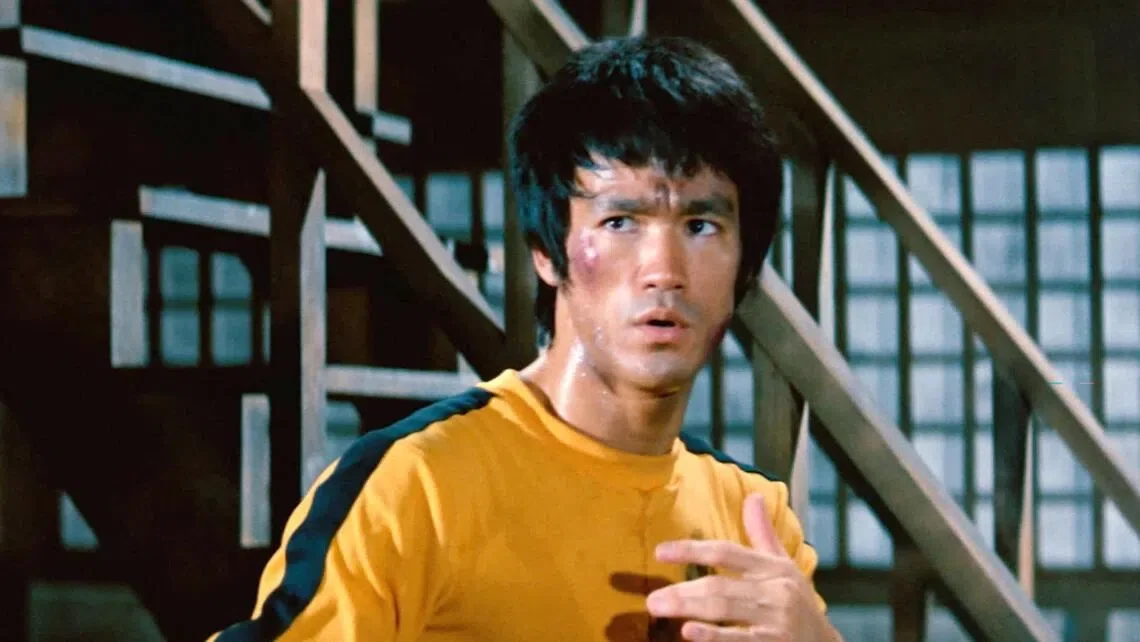
Bruce Lee: A Hong Kong Legend is scheduled to premiere at the WestK Performing Arts Centre in September 2027, with a world tour to follow. The production will bring together martial arts and contemporary ballet, drawing on Lee’s screen persona and the visual language of his films. Its creative team includes Oscar-winning designer Tim Yip, who will create the sets and costumes; Tony-winning playwright David Henry Hwang, writing the libretto; and Hong Kong Ballet artistic director Septime Webre, as choreographer. The score is set to combine a full orchestra, Chinese instruments and a rock band.
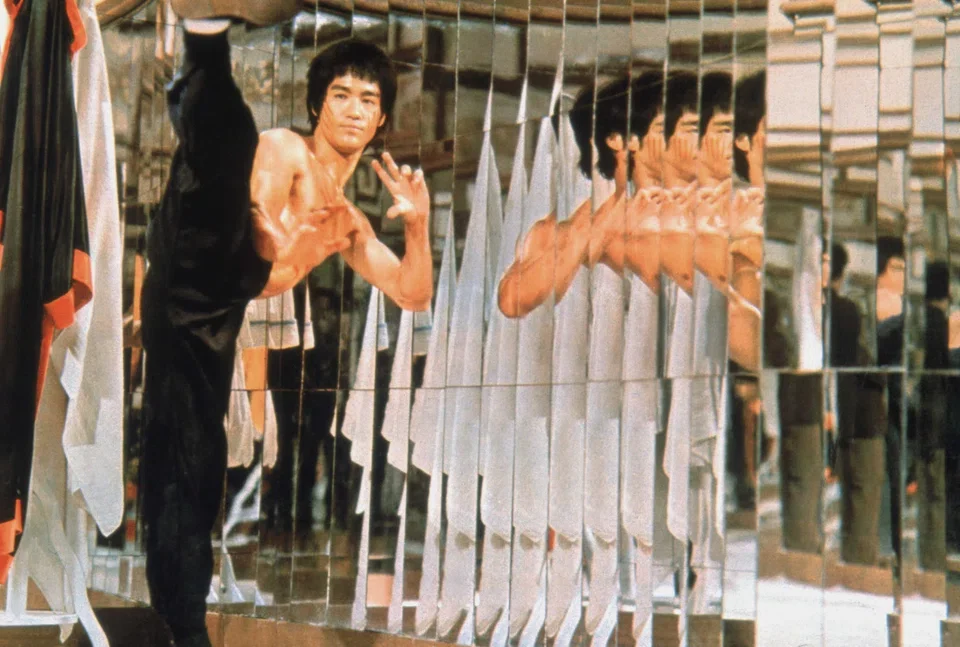
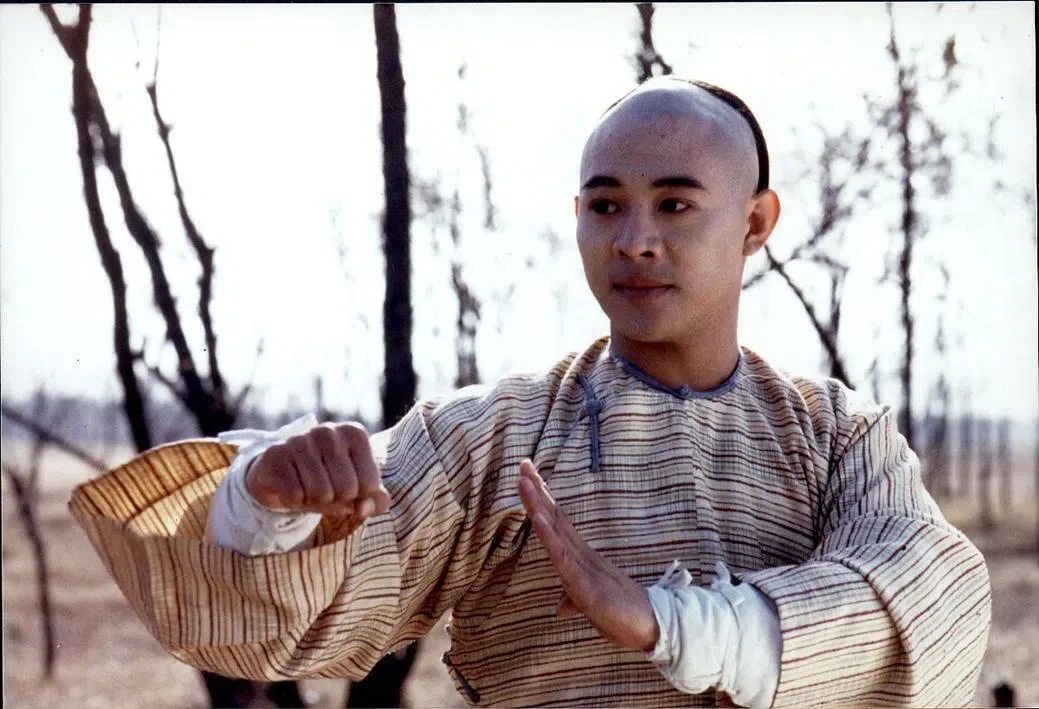
That mix carries creative risk: a broad musical palette and a familiar film icon may help the show travel, but a recognisable subject alone doesn’t establish whether audiences will respond to the finished work. WestK is also developing a dance-drama based on Wong Fei Hung, the martial arts figure portrayed on screen by Jackie Chan and Jet Li. A Cantonese musical inspired by mahjong is another possibility.
Paul Tam, WestK’s executive director of performing arts, describes the programme as a “love story with the city of Hong Kong”. The strategy gives local subjects a central place in new work, while seeking to build a production base capable of reaching beyond the city. Tam argues that performing arts have deep roots in Hong Kong, including Chinese opera, and says the aim is to bring the sector to the forefront of its cultural ambitions.
For decades, Hong Kong has built an international profile in visual arts, with Art Basel Hong Kong, auction houses, M+ and the Hong Kong Palace Museum among its prominent institutions. The next ambition is to become a place where live performances are created, commissioned, bought and exported. That would mean developing original shows for other cities to import, alongside the visiting musicals and ballet productions that already tour the region.
A marketplace for touring work
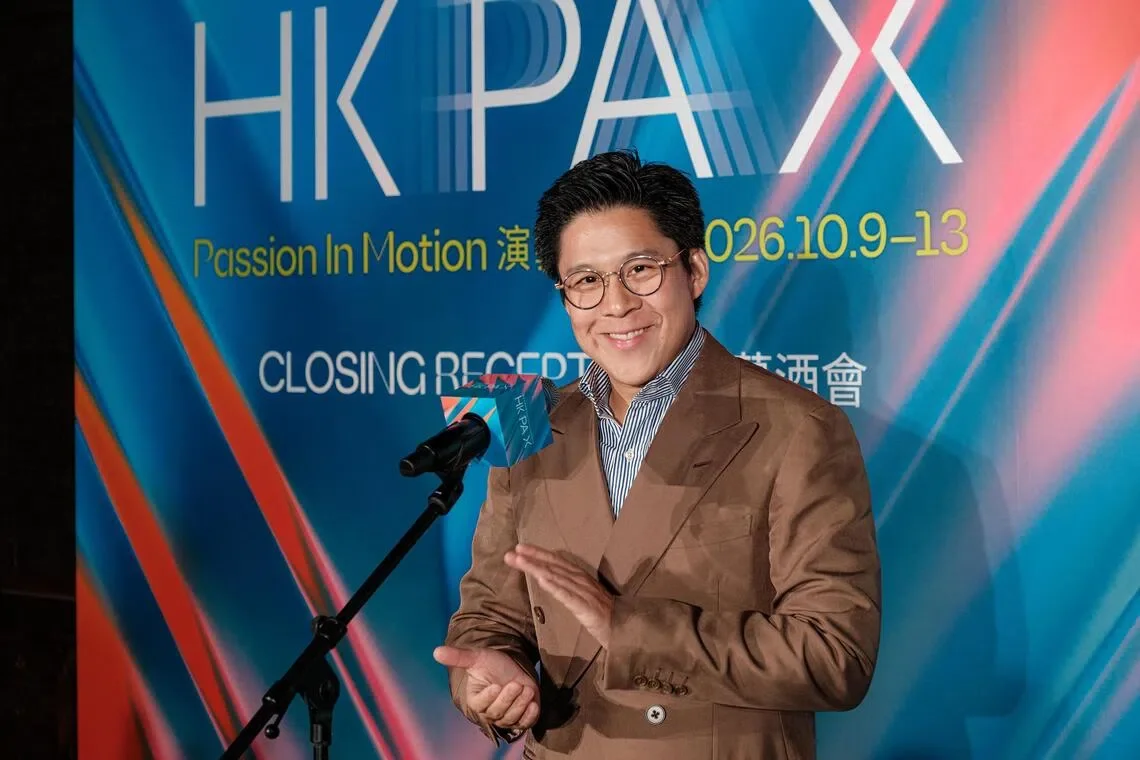
Making productions is only one part of building that business. Producers also need presenters, agents and venues that can take shows to new markets. The Hong Kong Performing Arts Expo, or HKPAX, is designed to connect those groups, complementing WestK’s role in commissioning and presenting work.
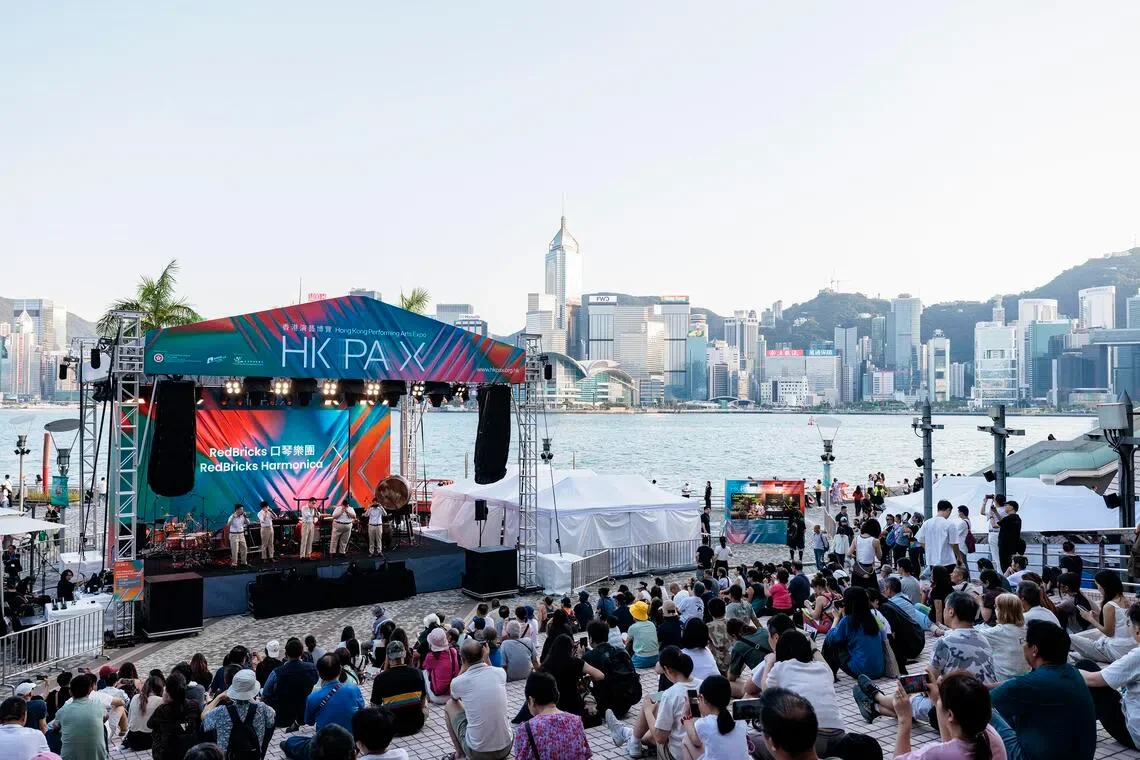
The expo’s second edition drew more than 2,000 participants from 60 countries and regions. Attendees included Singapore Esplanade chief executive Yvonne Tham and Singapore International Festival of Arts festival director Chong Tze Chien. Organised by the Hong Kong Arts Development Council, its ticketed programme featured 14 international showcases and 18 projects pitched to presenters and funders. A new “Hong Kong Chapter” gave 10 local artists and small companies a chance to show excerpts to visiting programmers.

Applications for the international showcases more than doubled, from roughly 400 in 2024 to more than 800 this year, says council chairman Kenneth Fok. He says the expo has become a place for ideas and partnerships, and points to new memorandums of understanding between Hong Kong arts groups and overseas counterparts. Such agreements can open doors, though they don’t by themselves show that a production has secured a tour or earned revenue.
Fok frames the region’s arts hubs as potential collaborators as well as competitors. Tokyo, Seoul and Singapore are part of the same contest for attention, but he argues that Asian cities can expand the audience for their work by building ties with one another.
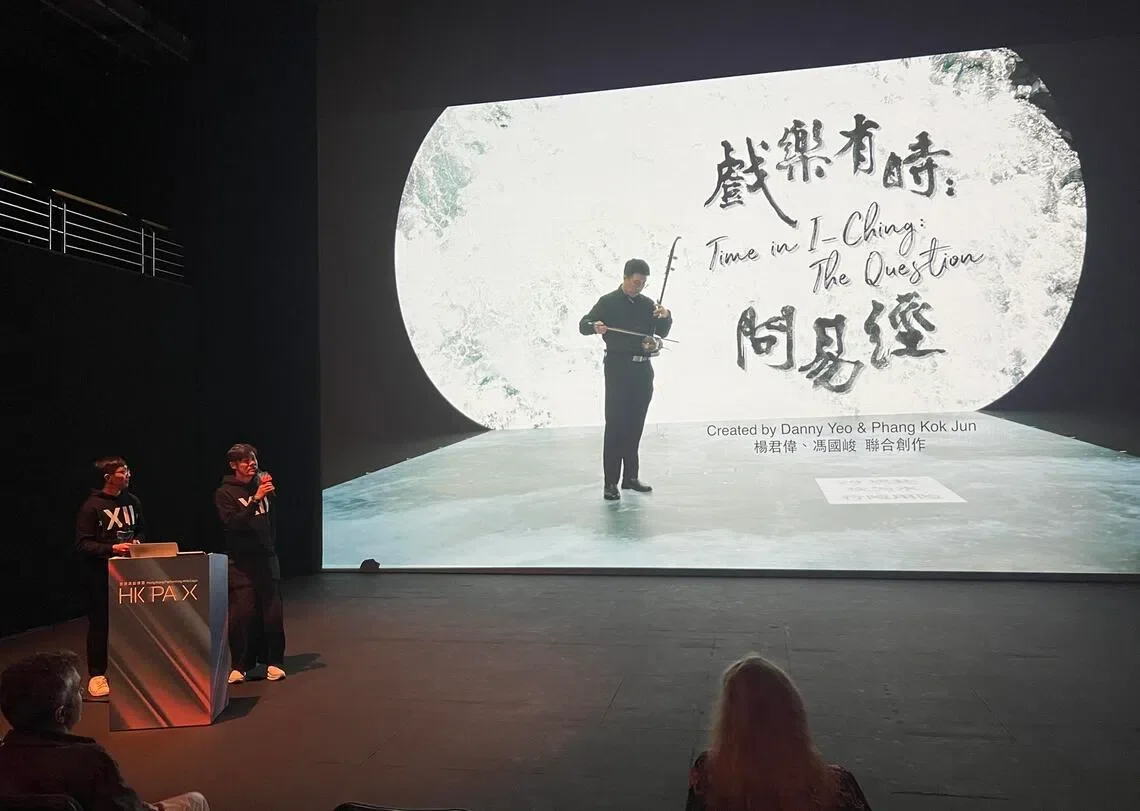
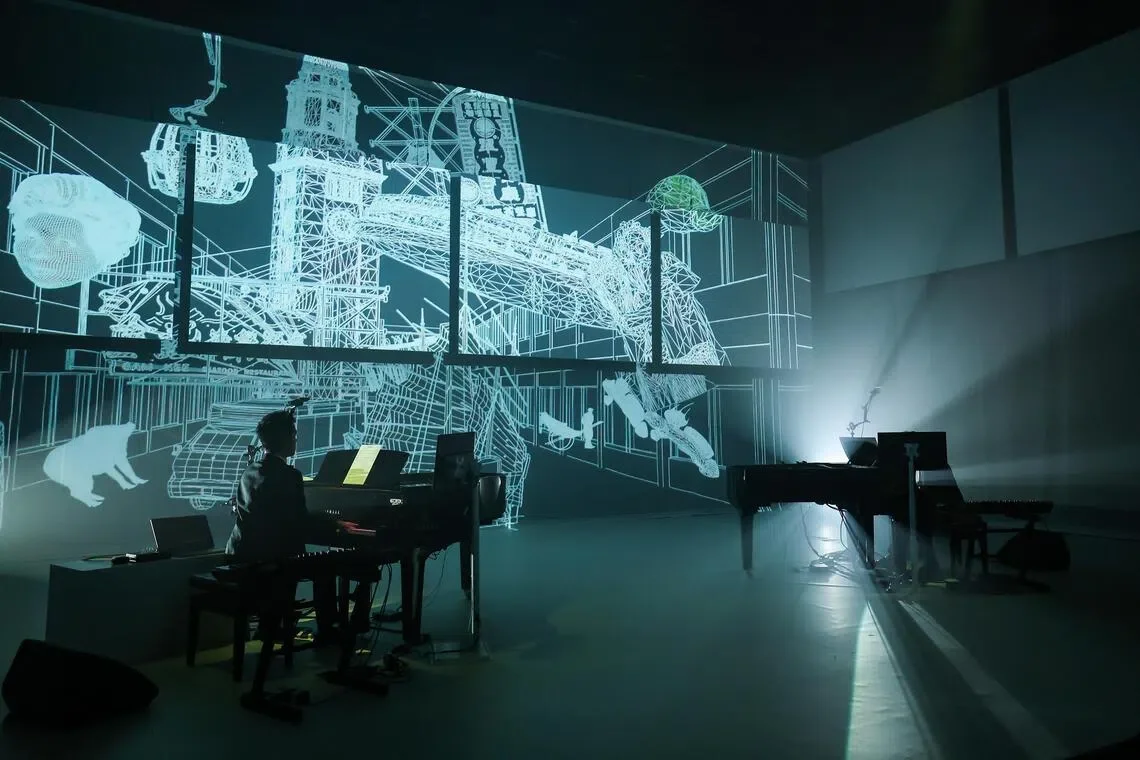
Singapore theatre maker Danny Yeo sees a practical route through Hong Kong. His project with Phang Kok Jun, TIME in I Ching: The Question, was among the 18 works selected for the pitching sessions. The immersive music-theatre piece draws on an ancient Chinese divination text, using traditional instruments, projection mapping and audience participation. Yeo says the combination of music and technology is intended to reach a broad audience. He says the team met agents from mainland China and heard that the work had a strong sense of universality. In his view, Hong Kong’s access to mainland China and its draw for European participants seeking an entry point into Asia make it a useful springboard.

Audience demand and the cost of building a hit
The strongest evidence that Hong Kong productions can travel comes from The Impossible Trial, a Cantonese musical commissioned by WestK and co-produced with Hong Kong Repertory Theatre. Since its 2022 premiere, it has accumulated 110 performances. In 2025, engagements in Shanghai, Beijing and Hong Kong drew nearly 65,000 spectators across 53 performances. A 20-show return to Shanghai in August sold out.

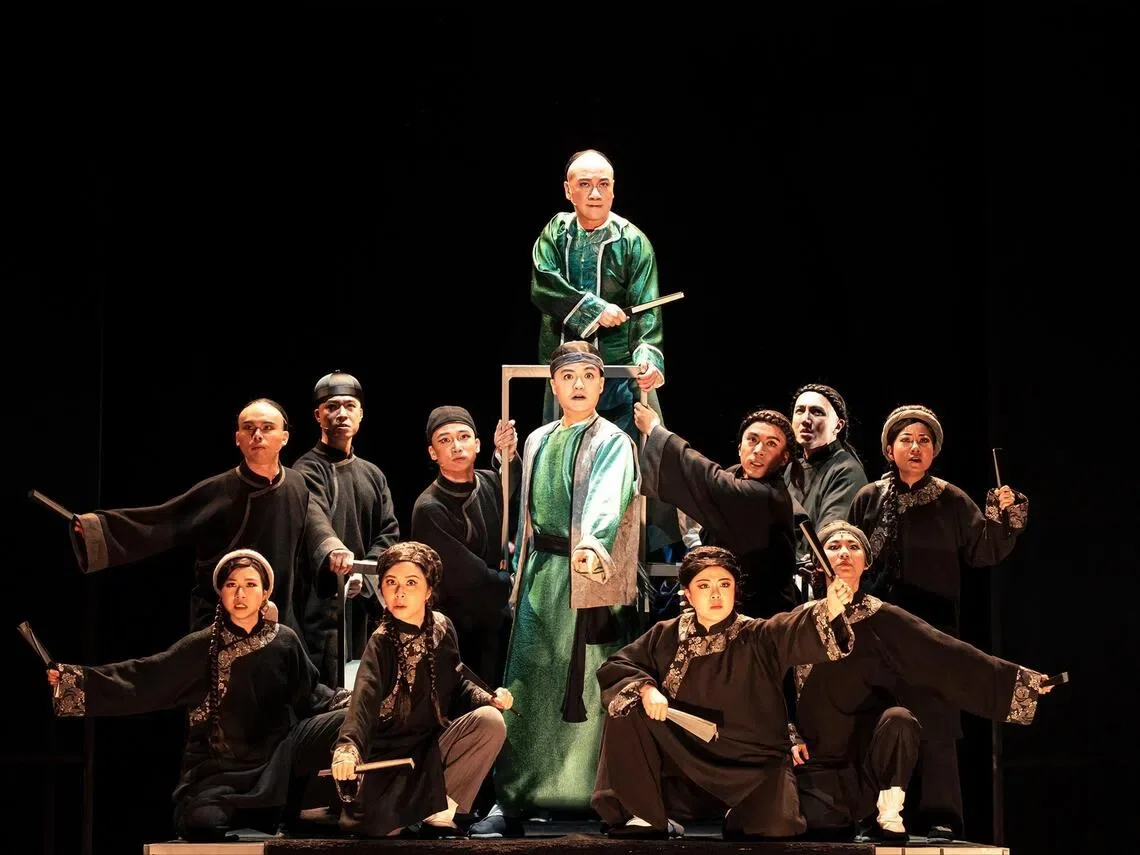
The run suggests that a production rooted in Cantonese language and culture can attract audiences outside Hong Kong. For producers, repeat performances can spread development costs over a longer run, provide more work for artists and give a show time to build a reputation in new markets. Tam says WestK is exploring Western markets for the musical, while stressing that building an audience at home comes first.
That approach also means carrying the costs and uncertainty of original production. WestK reported an operating deficit of HK$998 million in its 2026 financial year. Meanwhile, box-office takings at 28 major Hong Kong performing arts facilities fell 5.4 per cent to HK$520 million in 2025, according to a survey by the arts council. A support scheme for selected large-scale productions offers up to HK$10 million in direct subsidy and another HK$5 million in matching support.
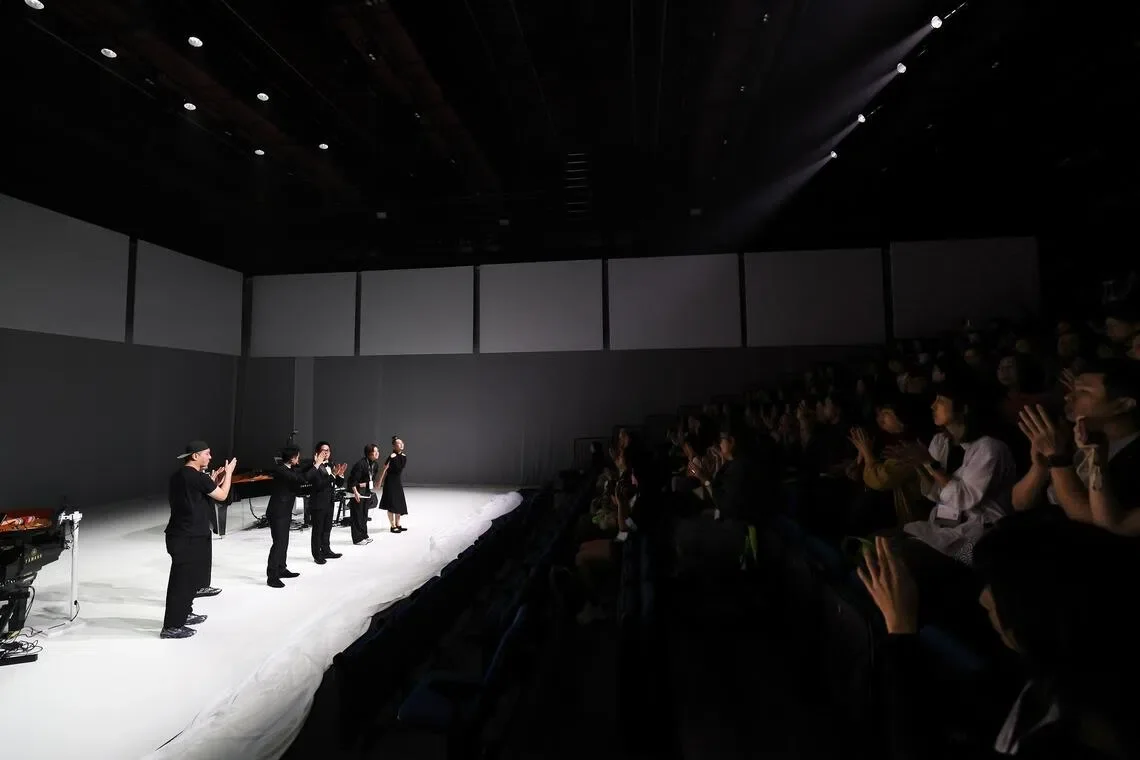
Those figures put the export ambition in context. Strong participation at an expo and a sold-out return run are encouraging signs, but they don’t settle whether new productions can cover their costs or sustain touring demand. The agreements announced at HKPAX involving Hong Kong companies and partners in Singapore and the US are memorandums of understanding, not proof of ticket sales or touring income.
Lee is an unusually recognisable starting point: audiences around the world already know his image and martial arts legacy. The harder measure of Hong Kong’s ambition will be whether its stages can create enduring audiences for stories and performers that overseas viewers haven’t encountered before.