Gold Near US$4,000 as Inflation and Stock Market Selling Pressure Bullion
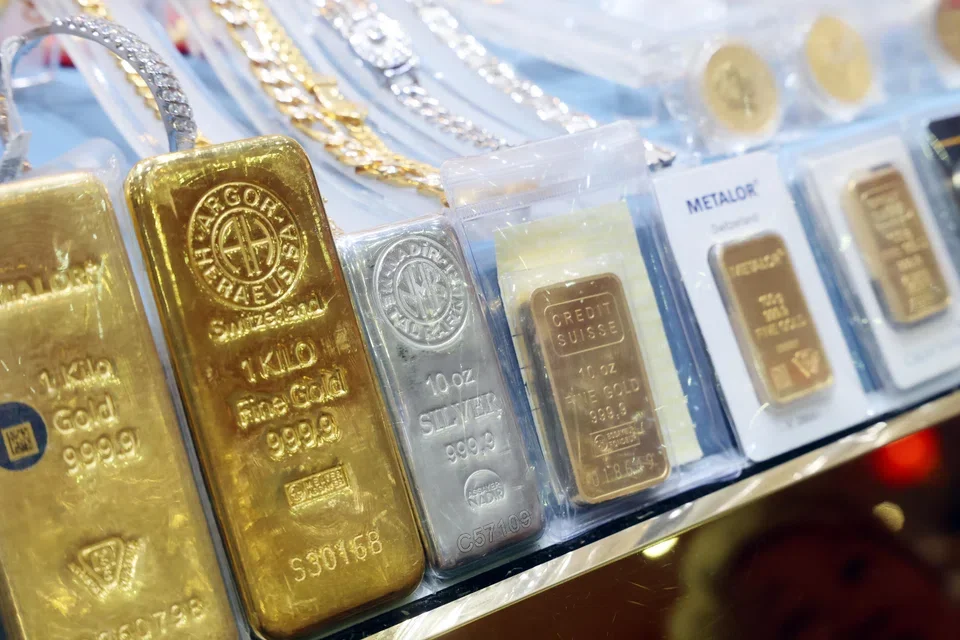
Gold fell 0.5% to US$4,003.44 as hotter US inflation and a tech-led sell-off weighed on prices. Silver’s October decline reached about 15%.
Gold’s slide toward US$4,000 an ounce reflects two pressures landing at once: inflation that could keep interest rates higher, and falling technology shares that may prompt investors to sell liquid assets to cover losses. Bullion was down almost 4 per cent for October and on course for a second monthly decline, even as buyers in China and long-term investors had helped steady it near that level.


Inflation complicates gold’s case
The immediate inflation signal came from the US personal consumption expenditures price index. Data released on Thursday, Oct 29, showed the index rose 0.5 per cent in September, its largest increase since March. The Federal Reserve had left open the possibility of raising interest rates before the end of 2026.

That combination matters because gold does not pay interest. When markets anticipate higher rates, interest-bearing assets can become more attractive by comparison, putting pressure on bullion. The September inflation reading adds to that concern, though one monthly figure alone does not settle the direction of future rate decisions.

Higher oil prices added to the inflation pressure described in the report. With energy costs elevated, investors have another reason to question whether price increases will ease quickly. The source links the oil move to geopolitical risks; for gold, the market effect is that persistent energy costs may reinforce rate concerns even as uncertainty can also support demand for perceived stores of value.

Equity losses create a separate selling risk
Gold has also been exposed to the technology-led sell-off in global equities. Shares fell for a second session after disappointing company results prompted investors to rotate away from artificial intelligence-related stocks. A similar rout the previous week helped push bullion to its lowest level since July.

The mechanism is different from the interest-rate channel. If investors face losses in shares or need to reduce borrowing, they may sell assets that are otherwise held as a hedge. That can put pressure on gold alongside equities, despite bullion’s traditional role as a diversifier. Ole Sloth Hansen, head of commodity strategy at Saxo Bank, said gold was “holding well”, while pointing to the possibility that after-hours losses could carry into the US trading session and trigger broader selling driven by the need for liquidity.

That risk leaves gold’s near-US$4,000 level looking contested. The metal had wavered around that price after the prior week’s decline, with Chinese households and long-term investors buying dips. Those purchases have provided support, but the report gives no measure of their scale, so it’s difficult to judge how much selling they could absorb if equity-market pressure intensifies.

Silver falls faster than gold
Silver’s move has been sharper. It fell as much as 2 per cent to near US$51 an ounce and was down about 15 per cent for October. The decline erased gains made since early December, when silver began a two-month rally that took it above US$120 an ounce.
Hansen said silver had entered oversold territory, but warned that investors unwinding long positions and momentum-driven selling by technically focused funds could extend the decline. He said that pressure could open the way to prices in the mid-US$40s an ounce. That is a stated risk scenario, not a confirmed destination.
The gold-silver ratio rose to its highest level since December. A higher ratio means more ounces of silver are needed to match the value of one ounce of gold. Hansen said the gap reflected silver’s greater vulnerability, while gold continued to draw demand from investors less sensitive to interest-rate developments.
Prices at the Singapore midday reading
At 10.42 am in Singapore, spot gold was down 0.5 per cent at US$4,003.44 an ounce. Silver had fallen 1.3 per cent to US$51.47 an ounce. Platinum and palladium also declined, while the Bloomberg Dollar Spot Index, which tracks the US currency, slipped 0.2 per cent.
For gold, the next test is whether dip-buying can keep prices near US$4,000 if inflation worries and share-market selling persist. For silver, the steeper monthly loss and risk of further position unwinding leave it more exposed to a continuation of the current pressure.