Warsh’s Fewer Fed Rate Decisions Put Treasury Volatility in Focus
A shift to six rate decisions a year and less forward guidance may mean sharper Treasury repricing, though near term markets show little disruption.
Kevin Warsh’s plan to reduce the number of Federal Reserve rate decisions could make each scheduled meeting matter more to Treasury investors. The change, paired with his retreat from forward guidance, may leave markets with fewer signals about the path of interest rates and increase the chance of abrupt repricing.
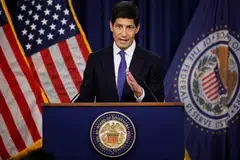
The Fed left rates unchanged at its Oct 28 meeting. Warsh said the schedule would move from eight rate decisions a year to six, with two gatherings set aside for broader strategic discussions. The transition would bring the number of decisions down to seven next year. He said the additional time would give officials “time and space” to deliberate.
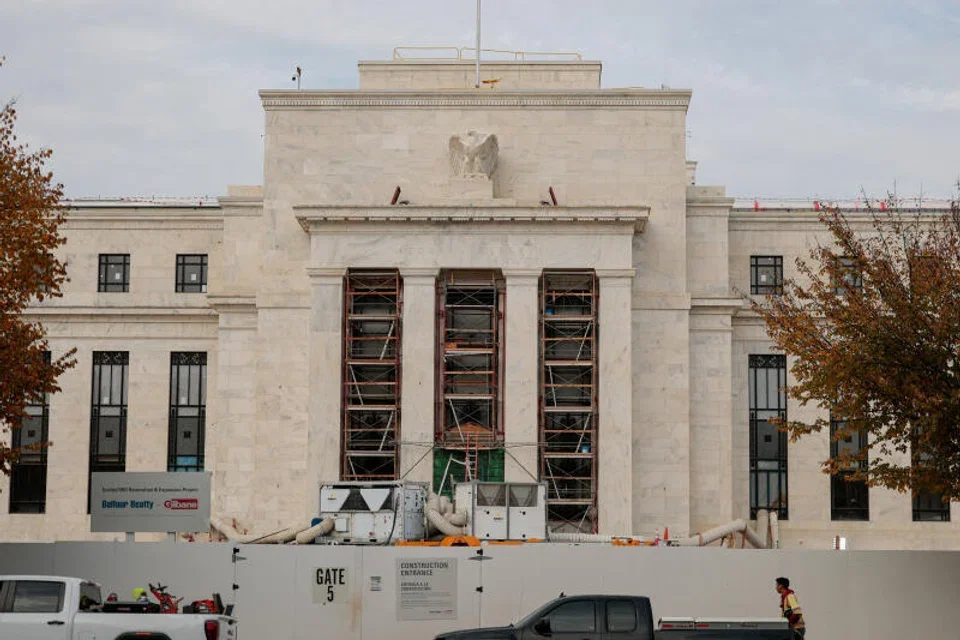
More room between decisions, fewer signals
For rate markets, the proposed calendar is part of a broader change in communication. Forward guidance—signals about how policymakers may act—has helped investors adjust expectations before a decision arrives. Warsh has argued that it can limit the Fed’s flexibility and should be used only during economic crises.
With fewer scheduled decisions and less guidance, markets could have less time to absorb changing economic conditions. Traders say that may force officials, at times, to make larger rate cuts or increases when they do act. It could also raise the likelihood of action between scheduled meetings, adding uncertainty to short-dated Treasury notes.

There is a second, longer-term concern: investors may demand more compensation for holding longer-dated debt if rate uncertainty becomes more pronounced. That could put upward pressure on longer-term yields even if shorter-term yields respond differently to the expected path of rates.
“This is the clearest signal yet that his Fed has no interest in being a vol suppressor in rates, and is perfectly willing to add to volatility with surprise announcements if conditions warrant,” said Isaac Wheeler, managing director of balance sheet strategy at Derivative Path.

The near-term market reaction has so far reflected a different balance of forces. Warsh’s comments and a dovish tone at his press conference helped shorter-dated Treasuries rally on Wednesday. Longer maturities lagged, steepening the yield curve. Thirty-year yields have risen about 10 basis points relative to two-year yields since Wednesday.
Scott DiMaggio, head of fixed income at AllianceBernstein, said repeated volatility episodes could add a risk premium to the curve over time. That possibility matters because short and long maturities may respond to different parts of the shift: the expected level of rates can weigh on shorter yields, while uncertainty about the range of future outcomes can affect longer yields.

Near-term pricing remains restrained
So far, measures of rate volatility over a two-year horizon have barely moved. Traders say the limited response partly reflects a lack of detail about the new schedule. The Fed has not identified which 2027 meeting will become a strategy discussion, beyond saying it will take place in the fall. Traders and economists see October as the likeliest candidate because that meeting does not include quarterly economic projections.
Markets may also be looking past the calendar change because many participants expect rate increases to be over a year from now. Overnight-indexed swaps are broadly flat between the September and December meetings, suggesting little immediate disruption if October is removed as a decision date.
Fewer decisions could also reduce opportunities to raise rates during the current cycle, when the Fed is expected to keep increasing them to contain inflation. Traders said that prospect supports shorter-term yields overall, even as uncertainty around the Fed’s approach could lift longer-term rates. The two effects point in different directions, which helps explain why the curve’s reaction may not be uniform.
A wider communication shift
Warsh has described his agenda as “regime change” since taking office in May. He commissioned a task force to review the Fed’s communication strategy, including the press conference schedule and the dot plot, which presents officials’ rate projections. He first raised the possibility of fewer rate decisions at the Fed’s July meeting and said the change would let policymakers think “anew about big questions”.

“Wednesday’s announcement marks the start of a new era of ‘forward silence’ at the Fed, and further changes to Fed communications,” said Kerry Craig, global market strategist at JPMorgan Asset Management in Melbourne.
Ali Hassan, portfolio manager at Thornburg Investment Management, said the combination of fewer decision meetings and less forward guidance could lead to bigger repricing around each meeting and more rate volatility than markets currently anticipate.
The practical test will be how the Fed handles new information between scheduled decisions, and whether markets can adapt to a less guided path. For now, restrained swap pricing and steady volatility measures suggest investors see little immediate calendar shock. The larger question is whether that calm holds once the schedule is set and the Fed’s reduced use of forward guidance meets a material change in the economic outlook.