Singapore Q3 Layoffs Reach 4,800 as Hiring and Unemployment Signals Diverge
Layoffs rose for a fifth quarter as resident unemployment edged up, while employment expanded and more firms reported plans to hire.
Singapore’s labour market is sending two different signals: employment continued to grow in the third quarter, but layoffs rose for a fifth consecutive quarter and unemployment edged higher among citizens and residents. The split points to an uneven expansion, with job growth concentrated in particular groups and sectors while employers remain cautious about recruitment.

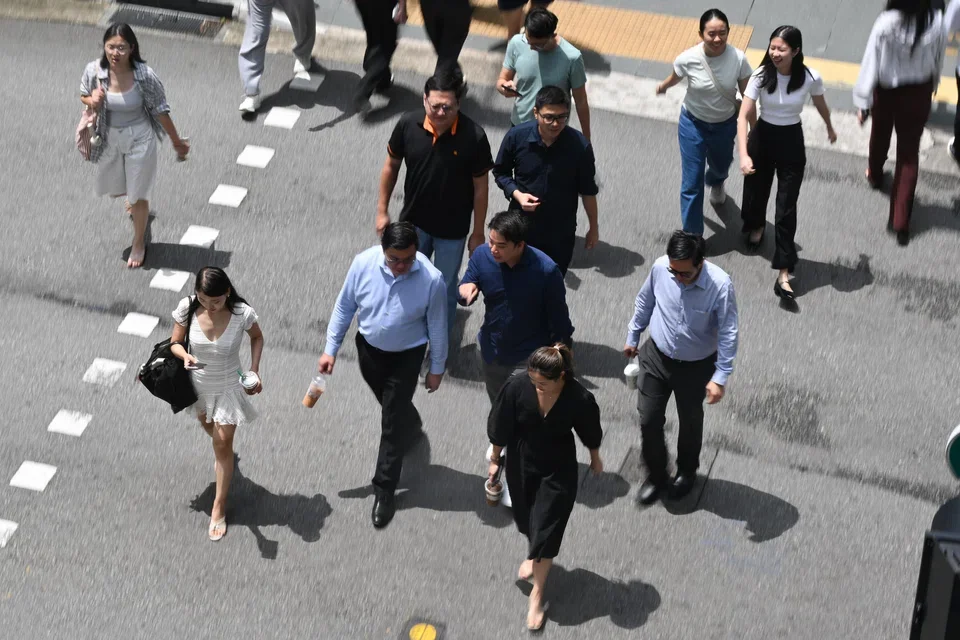
Retrenchments reached 4,800 in Q3, up from 4,620 in Q2, according to flash data released on Oct 30 by Singapore’s Ministry of Manpower (MOM). The incidence stayed at two retrenched workers for every 1,000 employees. MOM said the layoffs were concentrated in outward-oriented industries, including information and communications, financial services and manufacturing, with business restructuring the main driver.

The increase was modest in absolute terms, but its persistence is a signal to watch. UOB associate economist Jester Koh said restructuring may reflect both cost adjustments and displacement effects related to artificial intelligence. The data itself does not establish how much either factor contributed.
Job growth is concentrated
Total employment rose by 27,700 in Q3, compared with growth of 11,400 in Q2. It was the 20th consecutive quarter of expansion, and employment was up 10.4 per cent year on year. Much of the latest increase, however, came from non-resident workers in construction and manufacturing.

Resident employment gained support from essential and public services, while growth in outward-facing sectors remained subdued, which MOM attributed to global economic uncertainty. That mix matters: a rising employment total can sit alongside pressure on workers seeking roles in sectors where hiring has slowed.
Maybank analyst Chua Hak Bin said conditions in professional services, including finance and technology, remained subdued. He added that AI could be reducing demand for some higher-paying professional roles sought by local workers. This is a possible explanation, not a quantified finding in the flash data.

Chua described the market as being in a “low hire, low quit” mode, which he expects to persist as businesses broaden their use of AI tools. He also raised the possibility that gains from AI-led growth could accrue more to capital owners while some workers face displacement, making economic outcomes more uneven.
Unemployment edges higher
In September, citizen unemployment rose to 3.1 per cent from 3 per cent in August. The resident rate, which includes permanent residents, increased to 3 per cent from 2.9 per cent. Overall unemployment held at 2 per cent.

The figures show small month-on-month movements, but the direction aligns with the increase in retrenchments. The next useful measure will be how quickly people who lose jobs find new ones. Koh said a continued decline in the six-month post-retrenchment re-entry rate in Q3 could point to further increases in unemployment in coming quarters.
DBS senior economist Chua Han Teng said near-term increases in layoffs and unemployment should remain contained, while noting that the share of firms expecting to retrench deserves close attention. That share edged up to 3.1 per cent in September from 2.8 per cent in August.

More vacancies do not guarantee an easier search
Job postings offer a counterpoint to the layoff data. Jobstreet by Seek said postings on its Singapore platform increased 8 per cent quarter on quarter in Q3. Listings rose by double digits in information and communications technology and electrical and electronics, with more postings also recorded in banking and financial services, and construction, building and engineering.
Hiring and retrenchment can occur within the same sector at the same time. The number of advertised roles therefore does not show whether displaced workers can move into them. The fit between available jobs and candidates’ experience and skills remains a key factor, the Jobstreet spokesperson said.

Employer intentions improved between August and September, although they remained below July’s levels. The share of firms expecting to hire in the following three months rose to 42.3 per cent in September from 30.5 per cent in August. The share expecting to raise wages increased to 19.9 per cent from 16.9 per cent.
MOM said employers remained cautious about hiring and wage increases amid continued uncertainty. DBS’ Chua read the month-on-month improvement as a sign of resilient demand in the near term, while pointing out that sentiment remained below July and pre-Middle East conflict levels. In his view, firms were still being selective.
The indicators leave a mixed picture for the rest of 2026. DBS expects the labour market to remain stable, but the rise in planned retrenchments and the gradual increase in job losses call for attention alongside employment growth and improving hiring intentions. The next release on retrenched workers’ re-entry into employment will help show whether those losing jobs are finding new roles at a similar pace.


