London Banks Face Higher Tax Costs as Khan Urges Continued Investment
A proposed surcharge increase could lift banks’ tax rate to 33 per cent, while London’s mayor argues the capital can contribute more if its wider economy thrives.
London’s banks are being asked to keep investing as they weigh the prospect of a sharp increase in their tax bill. The UK banking surcharge is expected to rise from three per cent to eight per cent, taking banks’ total corporation tax rate from 28 per cent to 33 per cent. The proposed change is forecast to raise about £2bn, making the sector one of the largest potential sources of additional revenue in the upcoming fiscal package.
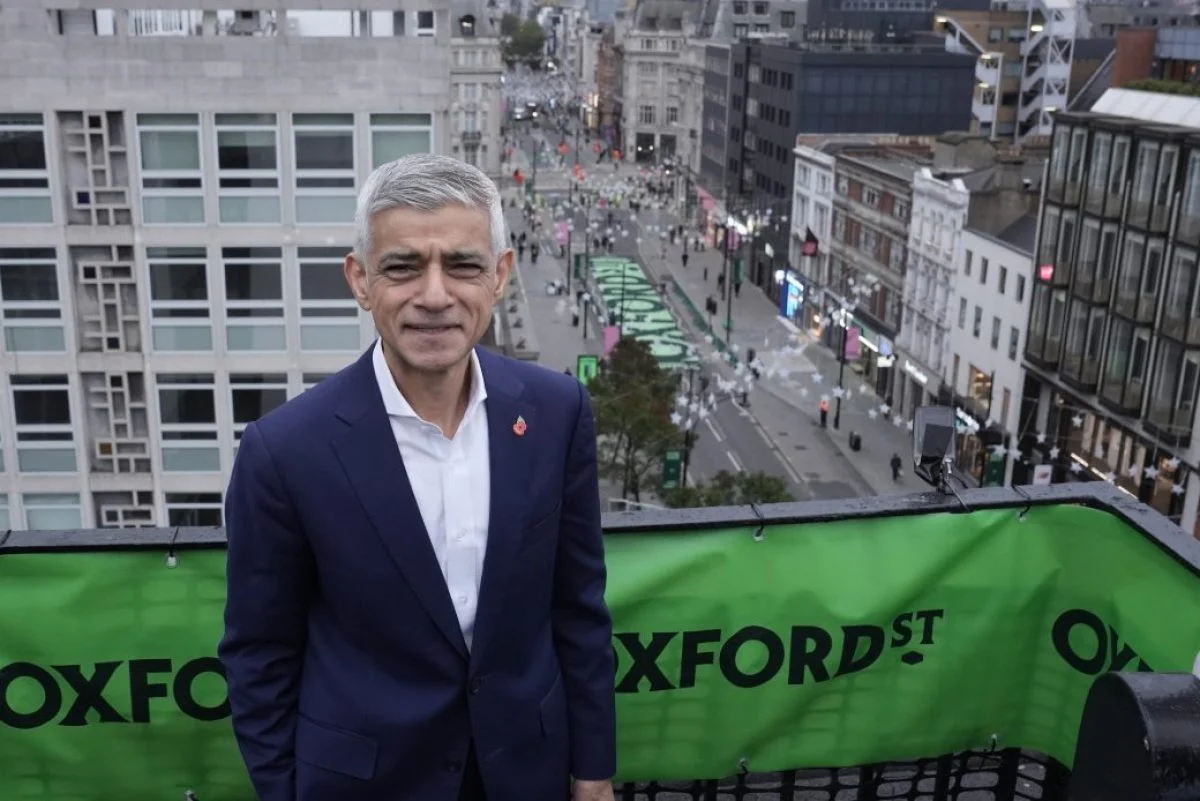
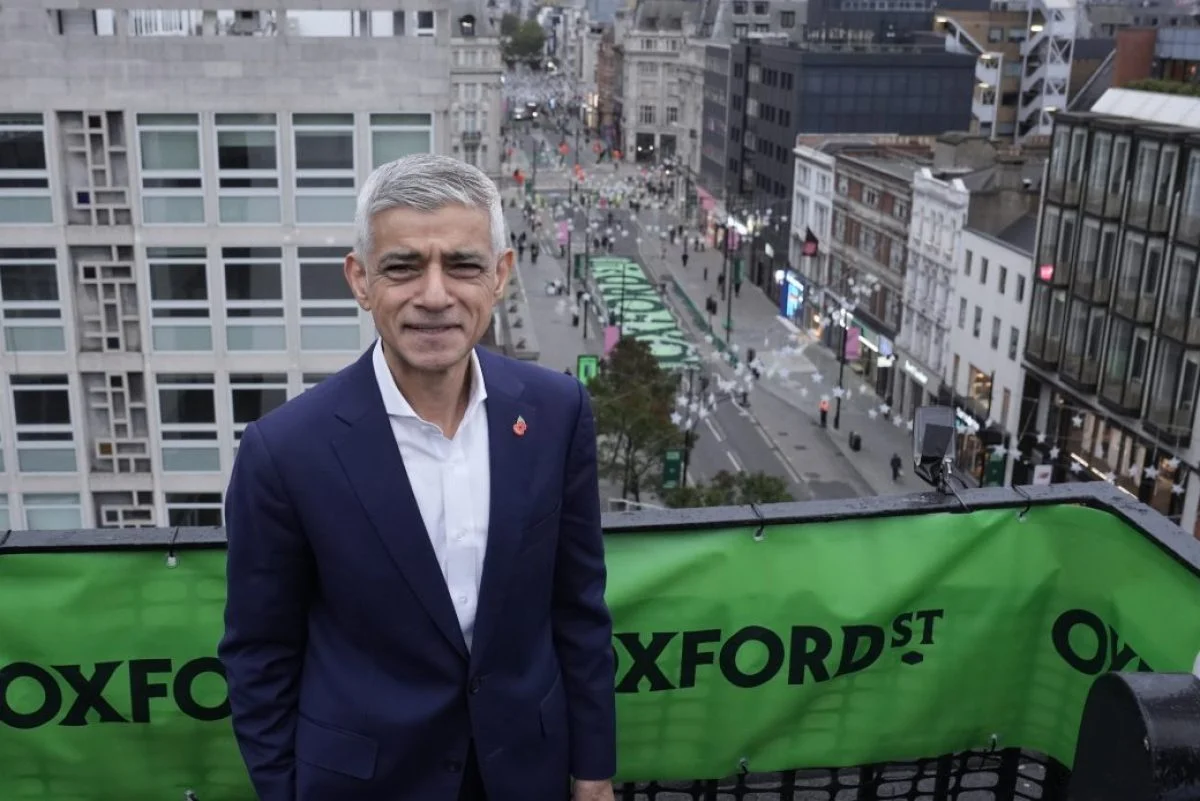
On Monday, London Mayor Sadiq Khan called the financial sector important to the capital but did not say whether he opposed the proposed increase. His position puts the emphasis on the wider contribution of banks: jobs, major building projects and the activity that supports London’s financial ecosystem. He urged institutions to maintain investment and encouraged more banks to establish themselves in the city.
A higher bill, with investment at stake
The surcharge is an extra charge on banks’ profits, layered on top of corporation tax. Moving it from three per cent to eight per cent would raise the combined rate to 33 per cent, based on the figures in the source. The scale of the projected £2bn contribution makes the measure significant for public finances, while leaving banks to assess how a higher recurring cost affects their plans.
That assessment matters because financial institutions make long-term choices about where to locate staff, buildings and other operations. A tax change can become one factor in those decisions alongside access to customers, workers and infrastructure. The source does not set out how individual banks would respond, and the forecast revenue does not by itself show what the eventual effect on investment or activity would be.
The risk to London’s appeal has already been raised by finance industry figures. Warnings to the Chancellor have focused on whether a higher charge could weaken the City’s international standing. Jamie Dimon, chief executive of JP Morgan, has previously said higher taxes could make him “reconsider” plans for the bank’s new Canary Wharf tower. That statement points to a possible tension between near-term tax receipts and the location decisions that shape future commercial activity.
Khan, meanwhile, pointed to the scale of employment connected to finance, saying the sector creates hundreds of thousands of jobs. He welcomed JP Morgan’s planned building and cited Goldman Sachs among firms that have moved to London. His argument is that the city needs both existing institutions to remain and new entrants to arrive; the tax debate therefore reaches beyond the amount collected from banks in a single fiscal measure.
The JP Morgan project also has a local economic dimension. Khan’s office is among the signatories to a memorandum of understanding that paves the way for the bank to receive a broad business rates discount on its tower. The project is expected to contribute £10bn to the local economy. That figure concerns the anticipated contribution from the development, while the separate £2bn figure is the expected revenue from the proposed surcharge increase.
London’s contribution and the retail dispute
The debate over the banking levy is unfolding alongside questions about how economic growth and tax burdens are shared across the UK. The upcoming fiscal package is expected to support growth outside the capital, prompting concern that London’s role could receive less attention. Khan argued that the relationship need not be framed as London against other parts of the country. He said the capital contributes a net £40bn to £50bn each year and could contribute more with suitable support.
His case rests on the links between London and activity elsewhere: a stronger capital, in his view, can sit alongside stronger regional economies. But the source gives no detail about what support he believes would unlock further contributions. The claim is best read as an argument about the scale of London’s existing contribution and its potential, rather than a quantified forecast of additional tax receipts.
Business rates provide another test of how that burden is distributed. High street retailers say the system places them at a disadvantage compared with online businesses such as Amazon, Shein and Temu. Physical shops typically face property costs, rent and staffing expenses while serving customers in person; Khan argued that warehouse-based retailers should also pay more tax. The source does not specify a proposed rate or estimate how any change would affect retailers or shoppers.
Andy Burnham had previously proposed higher taxes on out-of-town warehouses to fund reductions for high street shops. The Chancellor has since ruled out a warehouse tax after industry leaders warned it could raise retailers’ costs and feed through to consumer prices. That leaves the imbalance cited by shopkeepers unresolved in this account: a change designed to ease costs for storefront businesses could create expenses elsewhere in the supply chain.
Oxford Street’s pedestrianisation adds a separate strand to Khan’s efforts to revive the high street. The road was closed to traffic on Sunday night for the first time in its centuries-long history. Khan said City Hall’s longer-term work aims to support established names such as John Lewis and remove what he described as “dross” American candy shops. The effect on retailers will depend on whether changes to the street bring in customers and support businesses through the transition.
The decisions to watch are the final surcharge rate and how banks respond to the added cost, alongside any concrete changes to business rates for shops and online sellers. For London, the wider question is whether its tax contribution, financial employment and building plans can continue to reinforce one another as the burden on businesses shifts.