UK Shop Price Inflation Climbs as Retailers’ Discounting Gives Way
Shop price inflation reached 2.1% in October, with non-food prices rising faster as retailers absorb higher costs and rely on promotions.
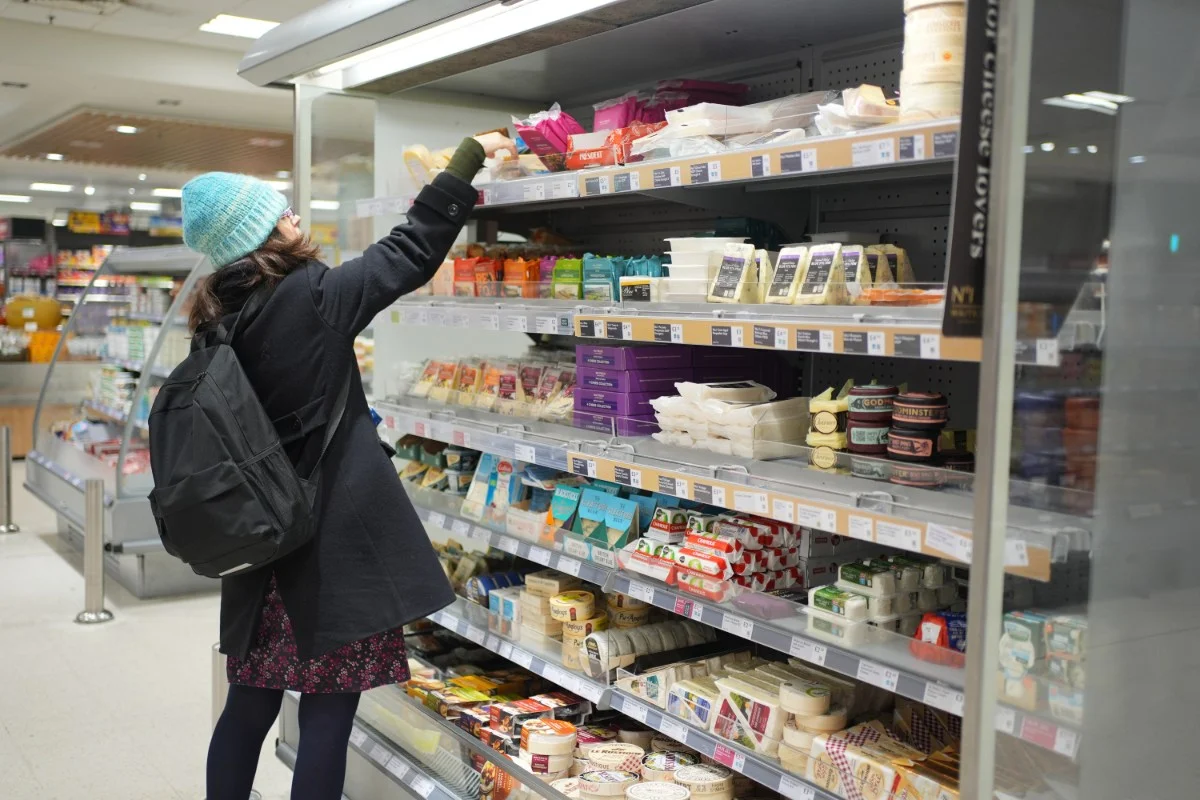
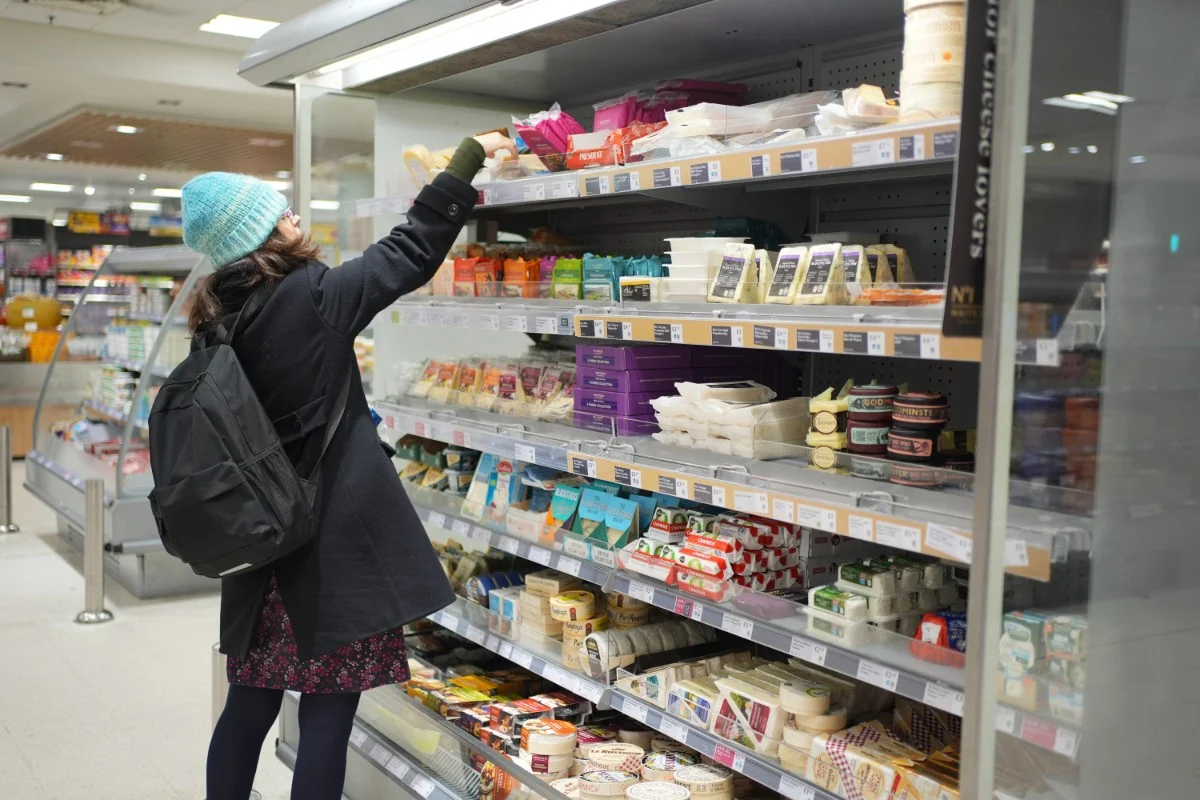
Retailers’ efforts to hold down prices through discounting are showing signs of strain. Shop prices rose 2.1 per cent in the year to October, up from 1.4 per cent in September and above the three-month average of 1.6 per cent, according to data from the British Retail Consortium (BRC). The acceleration points to costs reaching consumers even as retailers continue using promotions to sustain demand.
The increase was sharper for non-food goods than for fresh food. Non-food price inflation almost doubled, rising from 0.8 per cent in September to 1.7 per cent in October. Overall food prices rose 2.9 per cent over the year, compared with 2.5 per cent in the previous month, while fresh food inflation held at 2.6 per cent.
Those figures describe different categories, and the source also reports that food inflation remained steady at 1.3 per cent in recent months. It does not explain the difference between that measure and the 2.9 per cent increase in overall food prices. The distinction matters: a single headline rate can conceal variation between product groups and between the measures being reported.
Discounts have delayed some price increases
Retailers have been absorbing some cost pressure rather than passing it on immediately, according to Mike Watkins, head of retailer insight at data firm NIQ. Heavy discounting can soften the price consumers see at the till, but it also leaves retailers with less room to offset rising costs while protecting sales. October’s increase suggests that this buffer may be becoming harder to maintain.
Watkins said retailers facing more cautious consumers would depend more heavily on promotions to encourage spending on discretionary non-food items. That creates a tension for businesses: discounts may help keep shoppers buying, but they can also limit the revenue retailers recover from higher costs. If promotions become more important just as costs rise, retailers may have to weigh sales volumes against the margin on each item.
The pressures are arriving as consumers contend with higher energy and fuel costs. Those expenses can affect household budgets directly, while also adding to businesses’ operating costs. For shoppers, the combination can mean less money for optional purchases and greater sensitivity to price changes. For retailers, it can make passing on costs more difficult even when those costs are increasing.
Cost pressures and the outlook for food
Retailers have linked the prospect of higher prices to the knock-on effects of conflict involving Iran, particularly through energy and supply costs. Earlier warnings focused on the potential effect of disruption around the Strait of Hormuz on food prices in the UK. The article compares the expected pressure with the price increases that followed Russia’s invasion of Ukraine, but provides no estimate of how much of October’s rise is attributable to these factors.
The Food and Drink Federation (FDF) had previously forecast that food inflation could reach as much as 10 per cent by the end of the year. It later revised that outlook, anticipating a peak of 6.4 per cent by next summer. These are forecasts, not recorded outcomes, and the revised projection indicates that the group’s view of the expected peak changed. The figures also sit alongside the latest reported food-price measures, which show increases but do not establish what prices will do in coming months.
Executives at major supermarkets, including Sainsbury’s and Tesco, have questioned whether higher costs would be passed through to shoppers. The latest data does not settle that question. Price changes can vary by category, and promotions can delay or obscure the effect of higher costs in the prices consumers pay. The rise in non-food inflation, alongside the increase in overall food prices, shows that pressure is appearing across more than one part of the shop-price basket.
Retailers call for cost relief
BRC chief executive Helen Dickinson described the increase as a sign that retailers were beginning to pass on some of the costs they had absorbed over the previous two years. She urged Chancellor John Healey to act, warning that October’s rise could be an early stage in further price increases if business costs remain high.
The BRC’s proposals include cancelling increases to business rates, reducing employment costs and abandoning packaging taxes. These are the trade body’s requested measures; the source does not quantify how much any of them would reduce retailers’ costs or consumer prices. The proposals reflect the sector’s argument that businesses have limited scope to keep absorbing cost increases indefinitely.
For retailers, the immediate test is whether promotions can continue to support demand while costs rise. For consumers, the key signal is whether price increases spread further across food and non-food goods. October’s figures show a clear acceleration from September, but they do not by themselves reveal how much came from specific cost pressures or how long the increase will last. The next readings will show whether discounting can still contain prices or whether more of those pressures are reaching shoppers.


