BTLuxe Edit Symposium Maps Asia’s Shift Toward Experience-Led Luxury
The Singapore symposium examined how experience, cultural assets and succession are reshaping luxury, alongside a list of 50 names and brands.
The BTLuxe Edit symposium put a sharper definition on a shift underway in Asia’s luxury sector: value is increasingly tied to experiences, cultural identity and the stories behind a place or product. That change has implications for businesses across hospitality, property, art and family enterprise, where a distinctive offer may matter more than a standard luxury format.

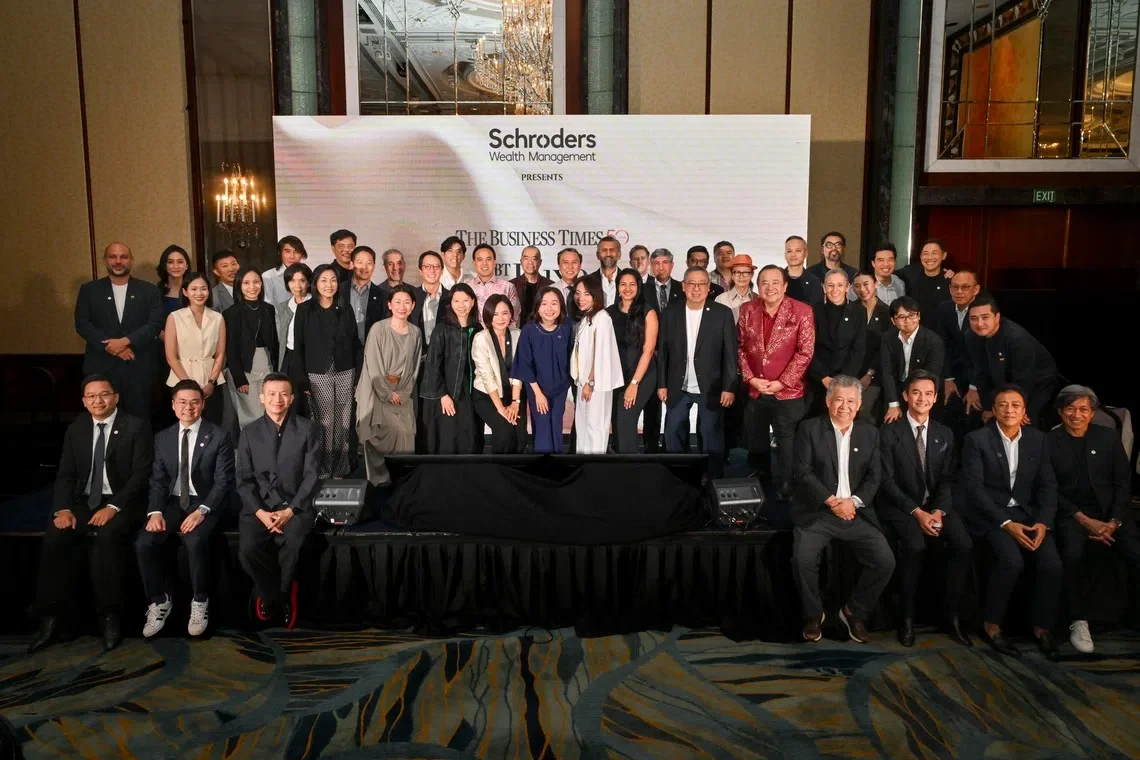
Held in Singapore on Wednesday, Oct 28, the inaugural Future:Legacy symposium was launched alongside The Business Times’ 50th anniversary, in collaboration with Schroders Wealth Management and BTLuxe. Its five panel sessions examined how the region is influencing luxury and how businesses can build assets with lasting cultural and commercial value.

“Luxury today is less about what you own, and more about the legacy you create and the experiences that enrich your life,” said Chen Huifen, editor of BT, in her opening remarks. That framing ran through the day’s discussions, from the reuse of historic buildings to the design of hotels and the transfer of family businesses to a new generation.

Asia’s growing influence
The opening discussion brought together Ravi Thakran, group CEO of Diafa, and Jien Goh, associate director of WGSN. They considered Asia’s rising influence on the global luxury business and the changing expectations of younger consumers.
Thakran described the region’s changing role in direct terms: “Asia has become the market of the world, not just the factory of the world... These two decades are going to be the most exciting time.” The comment points to a broader shift in how luxury businesses may need to approach the region: as a source of demand, ideas and cultural influence, rather than chiefly as a production base.

Goh discussed Generation Alpha, whose formative years are unfolding amid what she called a “polycrisis”. Her view was that this group may place greater value on experiences and escapism. For businesses, that raises questions about what makes an experience feel distinctive and relevant, and whether a brand can offer meaning beyond the object or service being sold.

Old buildings as cultural and commercial assets
A session on placemaking focused on how neglected historic spaces can be given new life. Wee Teng Wen, managing partner of Lo & Behold; Ashish Manchharam, founder of Elevate Capital; and Sandy Assakul, co-founder of Baan Trok Tua Ngork, discussed the challenge of turning existing buildings into places with renewed cultural and commercial purpose.

The approach brings together preservation and business judgment. A building’s history can give a project a character that new construction may not readily reproduce, while its future use has to support a viable operation. The discussion highlighted how these aims can meet when a project treats the site’s past as part of its value rather than as an obstacle to redevelopment.

Local character shapes hospitality
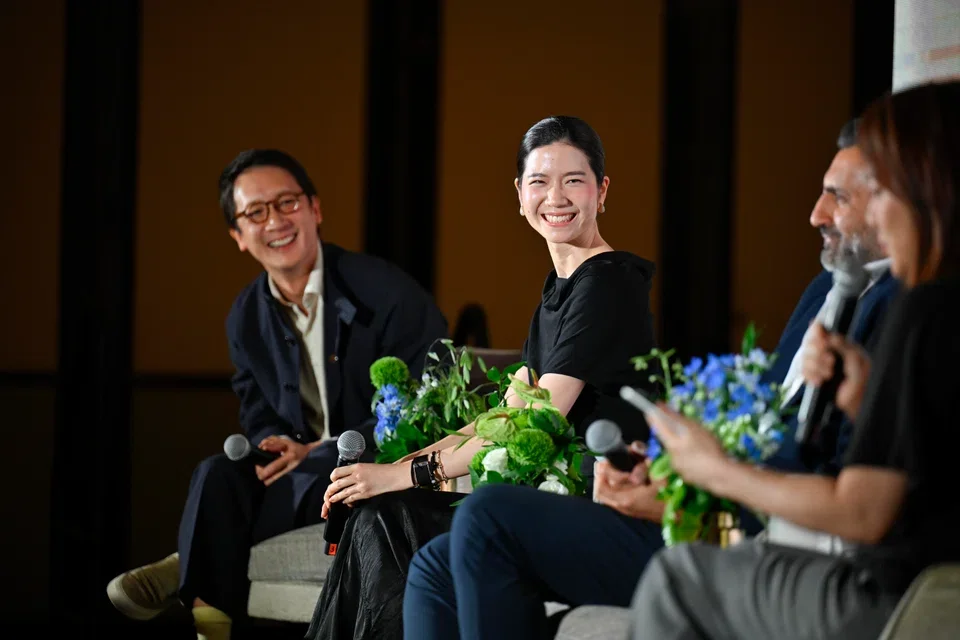
Hospitality was another test of the experience-led idea. Loh Lik Peng, founder of Unlisted Collection; Chan Soo Khian, principal architect of SCDA Architects; and Sashi Rajan, executive vice-president of JLL, discussed how luxury travel has moved beyond standardised hotel formats. Their focus was on spaces that express local gastronomy and design.
Rajan said demand is changing even as traditional real estate and hotels remain part of the industry. “As much as there’s a need for traditional real estate and traditional hotels, what we’re also seeing is it’s not what consumers are looking for moving forward.”
He argued that customers want to understand the people and ideas behind a project. “We want to hear the story of the person who is bringing it to life... what now matters to the consumer, and even as a consultant, is not just the shell. Design is important. The experience is important. And that all also drives the commercial viability of the project,” he said.
That link between experience and commercial viability was a recurring business question. Design and local identity can set a property apart, but the concept still needs to work as an operating business. The session’s emphasis was on making those elements reinforce one another.
Art and succession extend the legacy question
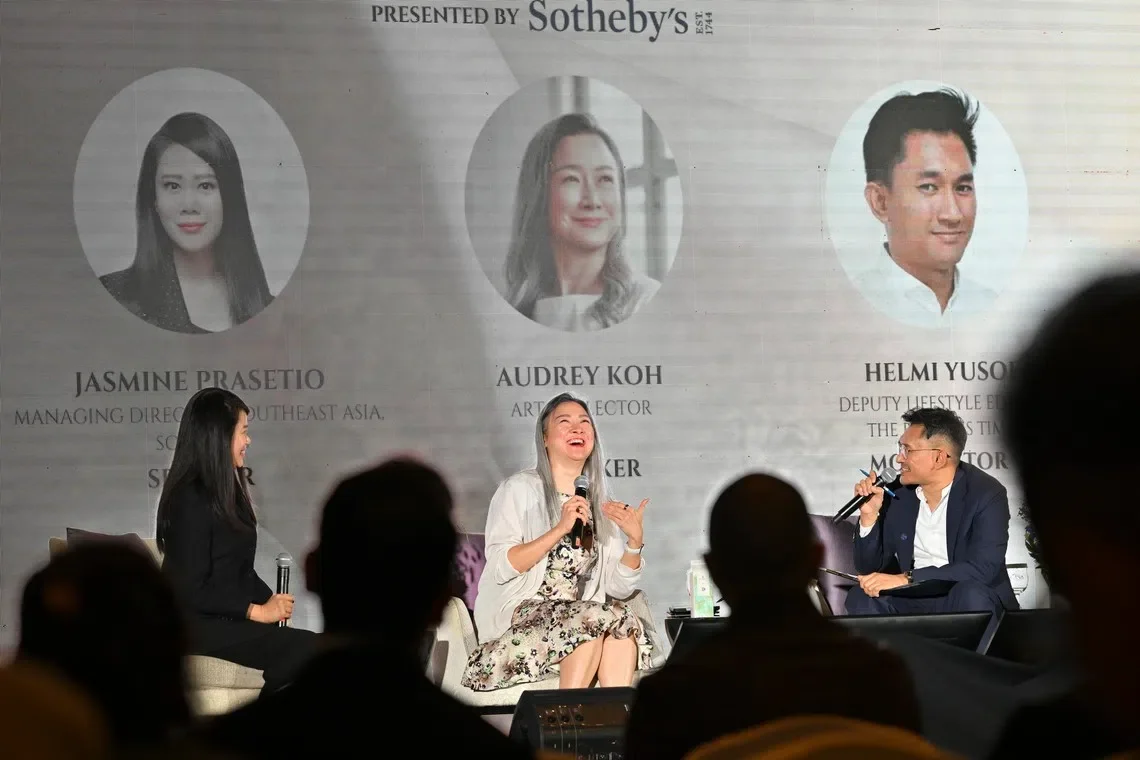
Jasmine Prasetio, managing director of Sotheby’s, South-east Asia, and collector Audrey Koh discussed the changing place of Asia in the art world. They addressed the growing recognition of women artists and the importance of building a domestic art ecosystem. Their discussion connected international attention with the local collectors, institutions and audiences that help sustain artistic activity at home.
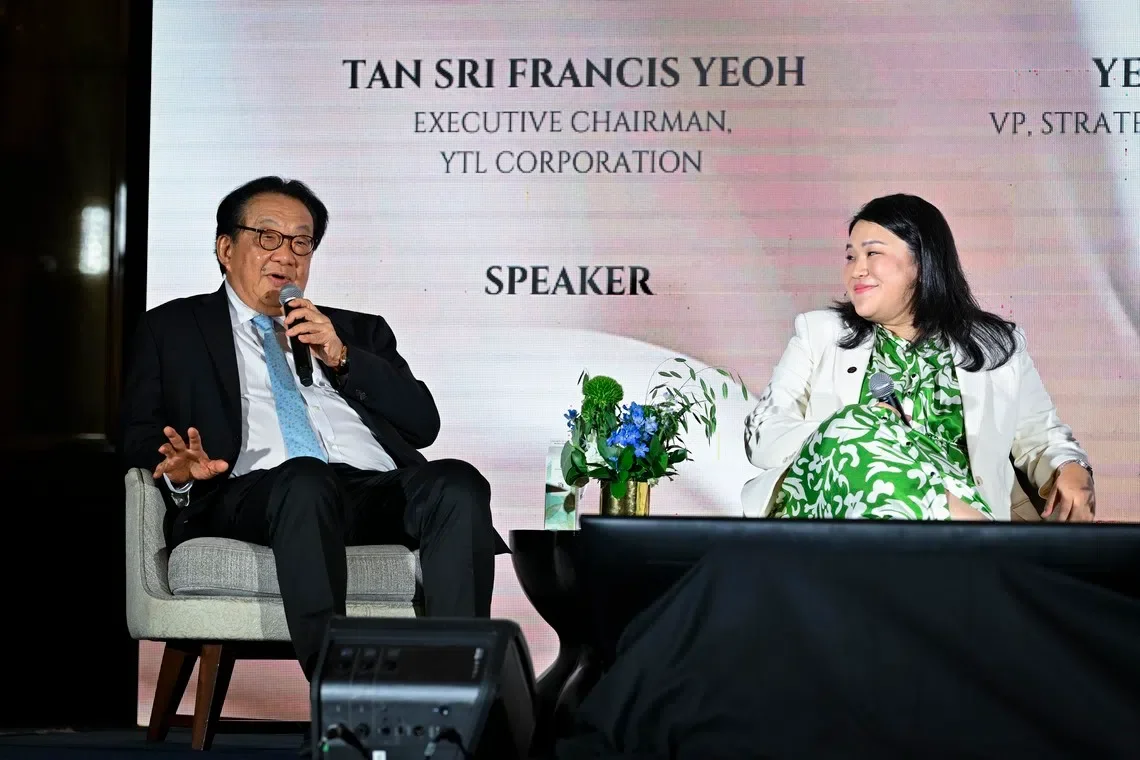
The final conversation turned from cultural assets to family enterprise. Francis Yeoh, executive chairman of YTL, and Yeoh Pei Xien, vice-president of strategy and transformation at YTL Hotels, shared views on succession, family unity and adapting an established business. They discussed passing responsibility to the next generation through a shared trust, as well as expanding traditional operations into digital areas such as artificial intelligence data centres.
The combination of continuity and reinvention is central to the succession challenge. A family business has to preserve the relationships and identity that supported its growth while finding new areas for its capabilities. The discussion placed that task within the broader theme of legacy: what endures is shaped by decisions about what to retain and where to adapt.
A list spanning established names and newer voices
The symposium concluded with the unveiling of The BTLuxe Edit, a list of 50 names and brands associated with Singapore’s luxury scene. Its 10 categories were architecture, craft, culture, enterprise, gastronomy, hospitality, interior design, patronage, placemaking and wellness.
The selections included established firms with more than 25 years of reputation, among them architects WOHA and SCDA Architects, interior design firm Asylum, and Les Amis Group. The list also recognised newer or cross-disciplinary names, including design firm Farm, The Lo & Behold Group and filmmaker Anthony Chen.

The range of honourees reflects the event’s broad interpretation of luxury, extending beyond goods to include places, creative work and hospitality. Across the sessions, the recurring business test was whether a distinctive identity can also create enduring value. The full list of winners is available on the BTLuxe microsite.


