UK Budget Offers Household Energy Relief as Growth Slows and Debt Costs Rise
A £2.6 billion household payment offers short-term help, while weaker growth, falling real incomes and higher debt interest constrain the outlook.
The UK’s latest Budget offers households near-term help with energy costs, but its limited scale reflects how little room the administration has to respond to pressure on living standards. A £2.6 billion cash payment for 20 million households is the centrepiece, while forecasts point to slower growth, a possible rise in energy bills and a larger debt-interest burden.
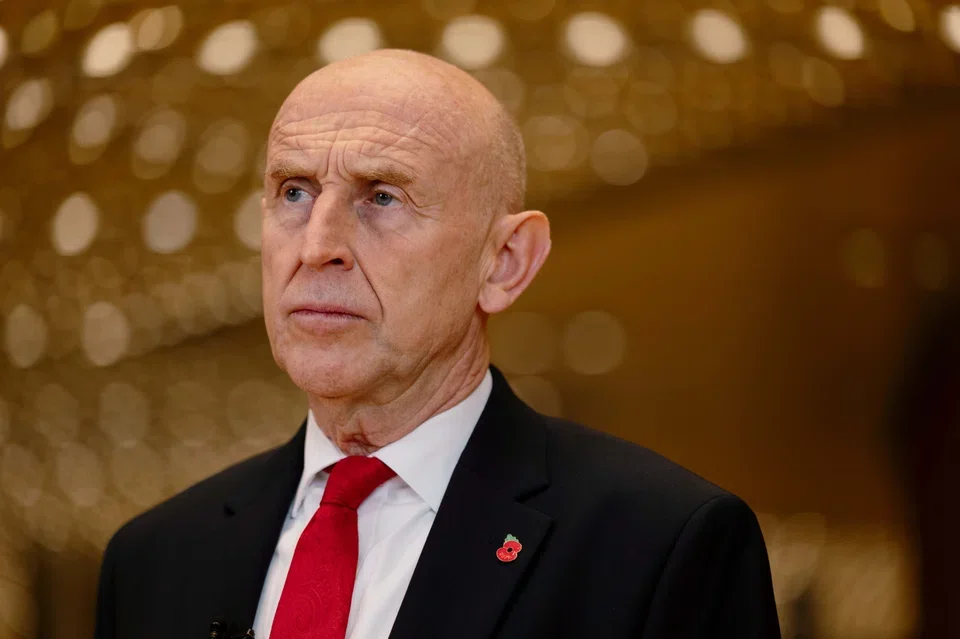
Finance minister John Healey presented the measures on Wednesday, Oct 28, describing the aim as giving Britons “breathing space”. The package also extends tax cuts for drivers. A temporary increase in taxes paid by banks will cover some of the cost of the cost-of-living measures.

The size of the household payment is clear; its limits are just as relevant. Recent forecasts suggest the average energy bill could rise about 16 per cent in January. The payment may soften that increase for eligible households, but the source figures do not indicate that it will offset the full expected rise in household costs. The eventual effect will depend on the size and timing of bills and on how the support is delivered.
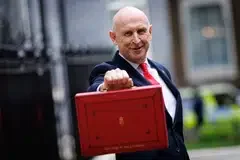
For companies and investors, the package’s restrained scope is a signal of the narrow choices facing policymakers. Healey has said he intends to keep the fiscal position stable amid global economic pressure. That approach limits the immediate reach of new spending while preserving space for other priorities; it also means households facing higher costs will still feel much of the energy shock.

Growth support is expected to fade
The UK economy has performed better than expected so far this year, prompting a modest upgrade to the 2025 growth outlook from the Office for Budget Responsibility, an independent body that assesses the economic and fiscal effects of policy plans. The improvement is short-lived in the forecast: growth is expected to slow to 1 per cent in 2027, from 1.2 per cent this year.
That pattern makes the near-term upgrade a limited source of comfort. A stronger reading for one year can improve the immediate outlook, yet the projected deceleration suggests that it does not resolve the underlying weakness. For businesses, slower growth can mean a less supportive setting for sales and investment. For households, it raises the prospect that pressure on purchasing power will persist even if activity holds up in the short run.

The administration came to power just over three months ago promising to restore hope and make what it called “radical” changes to the economy. This Budget indicates that major shifts will take time. Healey said it was “delivered at a time when global uncertainties and pressures are swirling worldwide and hitting people here in Britain”. He said the plan was intended to “steer us through the global economic storms today” and set a “clear direction” for the future.

Those statements frame a trade-off: immediate relief is being offered, but the broader economic changes promised by the new leadership are not yet reflected in a large-scale package. The available figures do not establish how quickly those changes might arrive. The near-term test is whether household support and tax measures can ease pressure without adding materially to the fiscal strain described in the outlook.

Living standards and borrowing costs remain pressure points
The household outlook is weaker than the headline growth numbers alone suggest. Inflation-adjusted disposable income per person, one measure of living standards, is projected to fall over two years, the Office for Budget Responsibility said. After a recovery, it is expected to be only 1 per cent higher in 2030 than a decade earlier, before the pandemic. For households, that points to a long stretch in which gains in income may remain modest relative to the level reached before the pandemic.
Borrowing costs compound that pressure by reducing the fiscal buffer and limiting the amount available for public services and other priorities. The Office for Budget Responsibility expects the UK to spend £14 billion more on debt interest this year than it previously forecast. That increase competes with other uses of public funds and helps explain why the package is focused on targeted measures rather than a wider expansion of spending.
The new leadership’s economic promises will therefore be judged against several constraints at once: the path of growth, the cost of servicing debt, household energy bills and real disposable income. A temporary payment can help bridge a specific period of strain, but it cannot by itself reverse the longer-term income pattern set out in the forecast.
The next signals to watch are whether the expected January rise in energy bills materialises, how the growth slowdown compares with the forecast, and whether debt-interest costs continue to absorb more of the fiscal buffer. For households, the payment offers some immediate breathing space. For businesses and investors, the Budget’s modest scope and the longer-term income and growth figures show that the underlying economic constraints remain central to the UK outlook.


