Anthropic’s Wealth Surge Puts a San Francisco Landlord’s Rent Promise to the Test
Anthropic’s growth coincides with sharp San Francisco rent gains, but one landlord says tenants’ fortunes shouldn’t change a written rent schedule.

Anthropic’s reported growth has sharpened a question for one San Francisco landlord: when tenants may soon be wealthy, should their rent rise to market rates? The landlord says no. A written rent schedule, he argues, is a promise tied to the home and the lease, not a claim on tenants’ future income.
The stakes are unusually visible in this example. The article says Anthropic’s S-1 filing shows more than 5,000 employees could build substantial wealth, with the median employee potentially making $3 million to $10 million within three years and at least a thousand people making well into eight figures or more. Those outcomes remain projections, and individual results will vary. Still, they help explain why the landlord is reconsidering the gap between his tenants’ rent and what he could charge new renters.
The figures cited for Anthropic are striking: $16.3 billion in revenue for the first half of 2026, compared with about $1.2 billion a year earlier; roughly 3.6 times as much Claude token usage since Opus 5.5 launched on September 22, 2026; and more than $130 billion in cash and investments. The source also says the company is generating an operating profit and expects to raise more than $80 billion through its IPO. These numbers frame the wealth question, but they don’t determine the landlord’s obligation under the rent schedule.

San Francisco rents have moved quickly
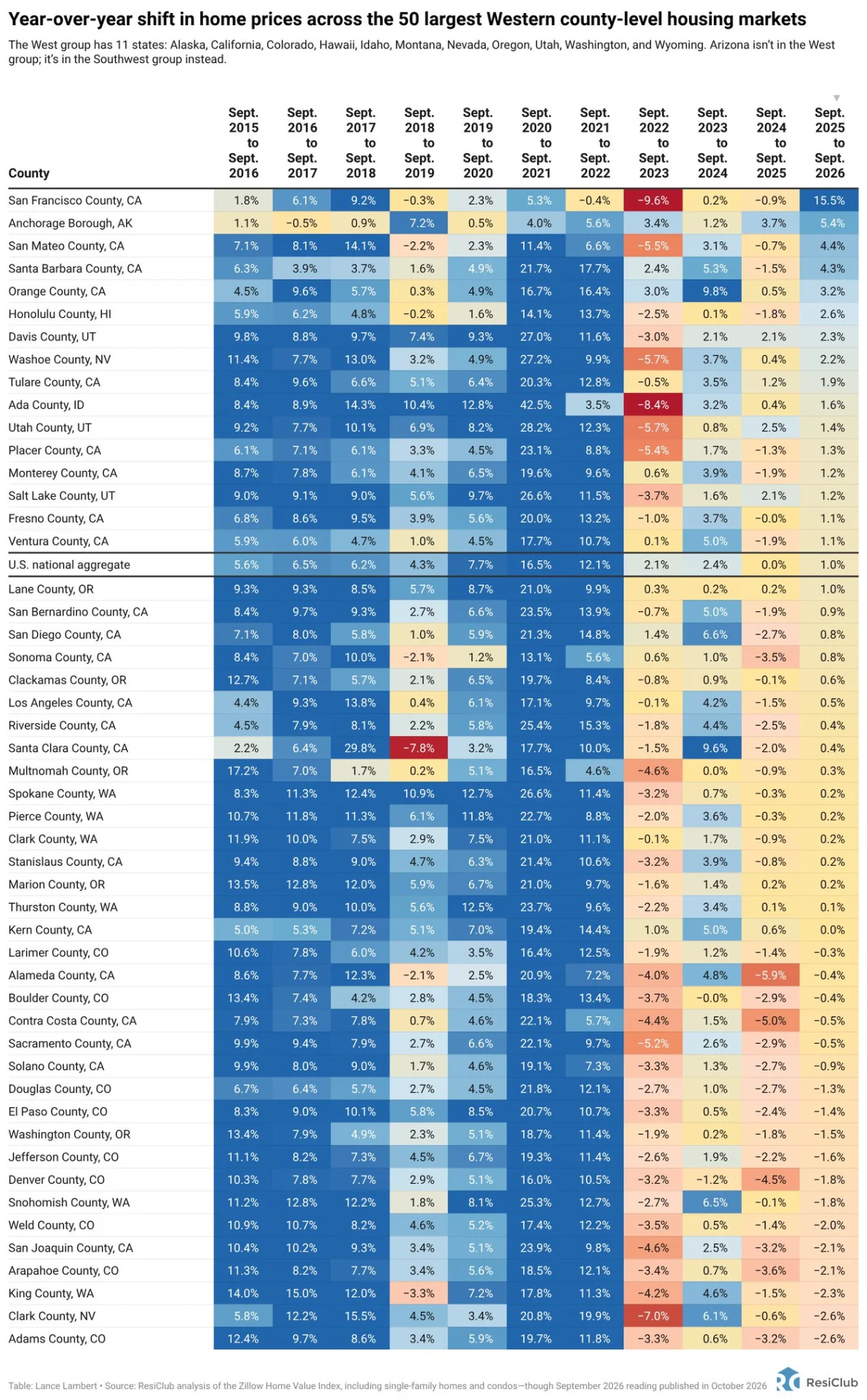
The landlord’s dilemma sits within a sharp local rebound. After a weaker stretch in 2022 and 2023, the article describes San Francisco’s housing market as buoyed by the AI boom. Figures attributed to Zumper put citywide rents about 27% higher year over year, with one-bedroom rents up 25.4% and two-bedroom rents up 26.8%. The article says this was the fastest rent growth among the 100 largest U.S. cities.
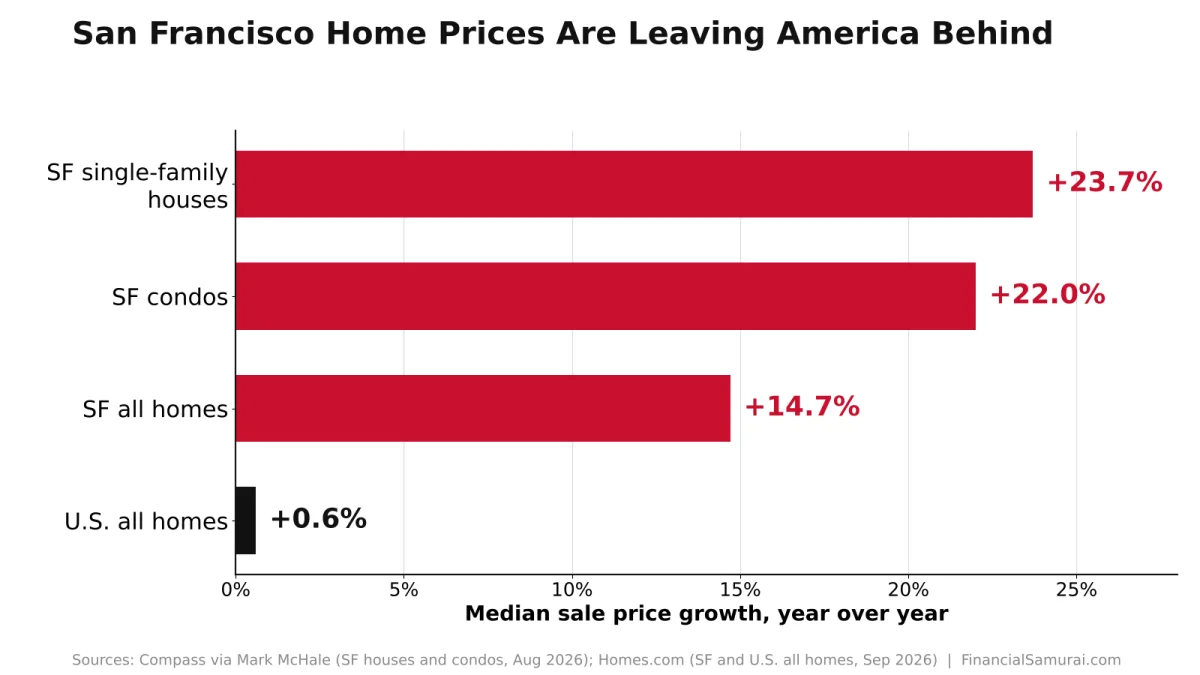
Sale prices have also risen. The median San Francisco home, including condos, sold for about $1.69 million in September, up 14.7% year over year. For single-family houses, the median was about $2.2 million, up roughly 24%, and 86% sold above asking price. Against that backdrop, owners who set rents in 2025 or earlier may now be charging well below what comparable homes could bring.
The owner has rented out property in San Francisco since 2005. His approach is to set out a three-year rent schedule in the lease, with annual increases capped at 3%, even though the property isn’t under rent control. In practice, he says, increases have been 2.5%. The schedule gives both sides a predictable basis for budgeting. Tenants who remain in good standing receive the increases laid out in advance, even if comparable rents rise faster.
That predictability has a price. The landlord says prospective tenants have appreciated knowing the terms from the start, and he values the stability that can come with a longer tenancy. Turnover brings its own costs and uncertainty, while a clear agreement can reduce awkward negotiations. For a rental owner planning to hold property for years, the ability to keep reliable tenants may matter alongside the rent collected each month.
A $1,250 monthly gap
The current tenants arrived after the previous renters gave notice in July 2025, following a stay of 1.2 years. That year brought three tenant changes, according to the landlord. The prior renters had paid $9,200 a month. He tested the market at $9,995 and found a couple seeking a five-bedroom, four-bathroom house, with space for two home offices and a gym, in three weeks.
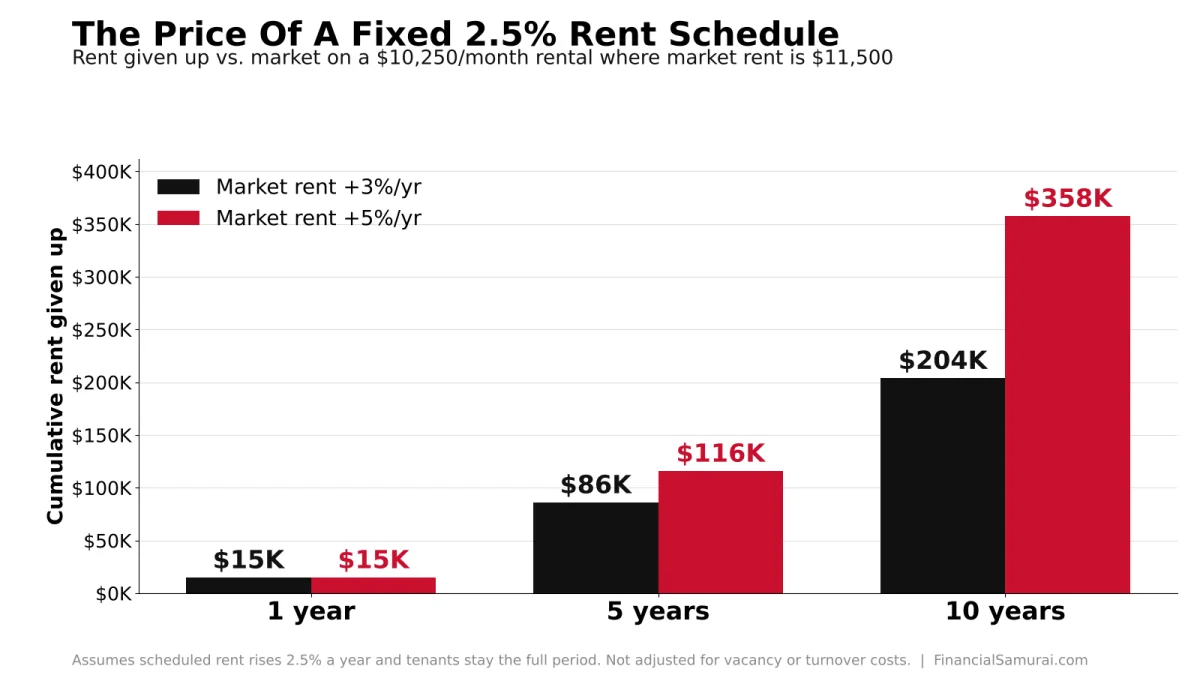
Since then, he estimates the home could rent for $11,000 to $12,000 a month. Using $11,500 as a conservative estimate, the current rent is about $1,250 below market each month, or $15,000 over a year. On October 1, 2026, the rent rose to $10,250, a 2.5% increase under the agreed schedule.
That difference is meaningful for the owner, who describes himself as cash-strapped and facing venture capital calls sooner than expected. He says the extra $15,000 would cover a substantial part of his next capital call. His tenants’ potential wealth makes the missed income feel more conspicuous: they may soon have far more money than the landlord. Yet their financial prospects don’t change the agreement he chose to make.
The longer the tenants stay while market rents rise, the larger the owner’s opportunity cost and the larger the tenants’ discount. The landlord suggests owners think carefully before promising fixed increases over several years. A shorter schedule or a stated range of increases could leave more room to respond as costs and rents change. Setting expectations clearly at the outset remains central to his approach.
Costs rise even when rent doesn’t
Stable rent terms don’t stabilize the owner’s expenses. The article points to insurance, maintenance and labor costs rising faster than inflation. If rents lag behind both the market and operating costs, margins can narrow; over time, some owners may decide a property no longer earns enough to keep it available for rent.
The landlord had expected a 2.5% annual increase to cover at least 80% of rising insurance and basic maintenance costs. He also doubts the tenants will stay indefinitely. He expects a three-year tenancy to be more likely than five years, and thinks they may eventually buy a home in San Francisco or return to their hometown. His previous tenants left after 1.2 years, despite having a daughter in school, a reminder that renters’ plans can change regardless of an owner’s expectations.
For now, he plans to follow the schedule. If the tenants remain beyond their fourth year, he’ll reconsider whether to bring the rent closer to market. That leaves the current balance in place: the owner absorbs the gap while retaining tenants who have met the terms, and the tenants keep the benefit of a predictable increase.
Wealth doesn’t rewrite the agreement
The landlord’s principle is that a tenant’s good fortune shouldn’t raise the rent when difficult circumstances wouldn’t automatically lower it. A renter might receive a large inheritance, sell a startup, win the lottery or get a major promotion. Renters can also lose a job, become ill, divorce or see their investments fall. In either direction, a tenant’s personal balance sheet is separate from the rent set for the home.
“A lease is a promise about a house, not a royalty on your tenant’s life,” is the core of his argument. If tenants earn $50,000 or $50 million in a year, the schedule stays the same. The commitment matters most when market conditions make changing the terms tempting.
There’s also a financial risk to pressing for more. Tenants who gain wealth may be more inclined to buy a home rather than renew. The landlord calculates that one vacant month at $10,250 would erase roughly eight months of the $1,250 monthly discount. That comparison doesn’t include every turnover expense, but it shows why the highest possible rent in any given month may not produce the best result over a tenancy.
He says he prioritizes peace and continuity, while a professional manager might focus more heavily on maximizing revenue. Raising rent remains uncomfortable for him, which is one reason he sets the schedule when prospective tenants are first considering the property. They can agree to the terms before signing, with no later surprise.
Although the lease becomes month-to-month after the first year and the schedule isn’t legally binding, the landlord says he has honored it throughout more than 21 years of renting. For tenants who pay on time, report damage honestly and take responsibility for repairs they cause, he sees little reason to pursue market rent while the property remains cash-flow positive. In his view, a stable tenancy can support a longer holding period, which is often valuable to a rental owner.
What the arrangement asks of both sides
The approach depends on a personal landlord’s willingness to honor terms even when the market shifts. The landlord says considerate, self-sufficient tenants can help maintain a good relationship; occasional small gestures may also be appreciated. But those courtesies don’t guarantee lower rent, and they’re less likely to affect pricing at a large corporate owner that uses standardized methods.
For owners, the trade-off is direct: a multi-year rent schedule buys clarity and may support tenant retention, while limiting the ability to capture fast rent growth. For renters, predictable increases offer shelter from sudden repricing, but the terms depend on what both sides accept at the beginning. In this case, the landlord’s decision is to keep the agreement intact and revisit the rent only if the tenancy lasts beyond its fourth year.