Starhill Global Reit Q1 FY2027 Net Property Income Rises 2.3% to S$38.8 Million
Singapore retail and Australian properties lifted income, while Wisma Atria downtime and divestments partly offset gains.
Starhill Global Reit’s net property income rose 2.3 per cent to S$38.8 million in the first quarter of FY2027, with stronger contributions from Singapore retail and Australian properties helping to offset weaker income at Wisma Atria. Revenue increased 1.2 per cent to S$48.9 million from S$48.3 million in the corresponding period a year earlier.

The figures point to growth led by particular parts of the portfolio, rather than a uniform improvement across its properties. Ngee Ann City remained the largest contributor, while the Australian portfolio also added to revenue. Against that, the Reit no longer receives income from divested Wisma Atria office strata units, and the retail property faced tenant transition downtime.
Ngee Ann City remains the largest contributor
Ngee Ann City generated S$17.2 million in revenue and S$14.1 million in net property income, making it the Reit’s biggest source of both measures. Its contribution gives the portfolio a substantial Singapore retail anchor. The quarter’s results also show why property-level performance matters: gains from selected assets can support the total even as other properties encounter vacancies or changes in ownership.

In Australia, revenue increased to S$10.8 million from S$9.7 million. The portfolio includes Myer Centre Adelaide. That improvement helped offset the reduced contribution from Wisma Atria, although the available figures do not break out the Australian properties’ net property income or identify how much of the revenue increase came from individual assets.

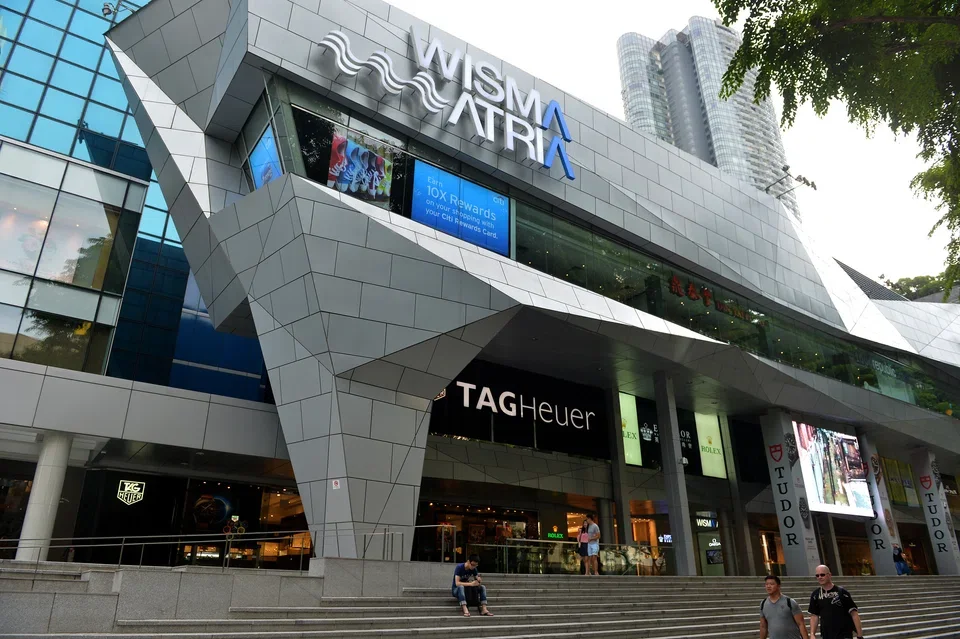
At Wisma Atria, two factors weighed on performance. Divestment of office strata units removed their contribution, while tenant transition downtime lowered income from the retail property. These effects differ in duration: divested space no longer contributes to the portfolio, whereas transition downtime may ease as tenants take up space. The source does not give a timeline for that process, so the scale or timing of any recovery cannot be assessed from the reported figures alone.

Occupancy and financing provide operating context
The portfolio’s committed occupancy rate was 97.4 per cent as at Sep 30. That level indicates most of the portfolio’s space was committed to tenants, but it does not remove the effect of tenant transitions or show how much rent those spaces generate. Occupancy and income can move differently: the mix of tenants, lease terms and temporary downtime can all affect property returns even when the overall occupancy measure is high.

Gearing stood at 36 per cent, and weighted average debt maturity was 3.3 years as at Sep 30. Those measures frame the balance sheet and refinancing horizon alongside the operating results. The figures alone do not specify the Reit’s borrowing costs or the timing and terms of individual debt repayments, so they offer only a partial view of how financing could affect future income available to unitholders.

The manager said demand for prime retail space would continue to receive support from tourism spending and office-worker footfall, despite weaker consumer confidence and inflationary pressures. These sources of demand matter because retail landlords depend on visitors and nearby workers to sustain customer traffic and tenant sales. However, the article provides no visitor, footfall or tenant-sales figures for the quarter to measure those supports directly.

Retail tenants face cost and competition pressures
Retailers still face manpower shortages, higher operating costs amid the Middle East conflict and intense competition from e-commerce. Those pressures can affect tenants’ ability to sustain store operations and meet rent commitments. For landlords, the consequences may show up through lease negotiations, tenant turnover or periods when space is being prepared for a new occupant. The results do not quantify any such effects beyond the reported Wisma Atria downtime.
A separate market indicator offers some context for the Reit’s office exposure: rents for both Grade A and Grade B core central business district offices increased 4.5 per cent in Q3 2026. That movement relates to the broader office market and does not establish how rents changed for Starhill Global Reit’s own properties. The reported loss of income from divested Wisma Atria office units also means the portfolio’s current results cannot be read as a direct comparison of the same office assets.
Starhill Global Reit units closed unchanged at S$0.495 on Thursday. The flat closing price accompanied the reported quarter’s property income growth, but a single session does not explain how investors assessed the results or the portfolio’s longer-term prospects.
The next useful signals will be whether Australian revenue gains persist, how quickly Wisma Atria’s tenant transitions conclude, and whether Singapore retail demand translates into continuing income growth. For now, the quarter shows a modest rise in revenue and a larger increase in net property income, supported by Ngee Ann City and Australia while portfolio changes and tenant downtime restrained the result.


