Fridge Disruptions Hit Supermarkets Across Europe After Suspected Cyber Incidents
Stores in Belgium, Sweden, Ireland and Finland reported refrigeration problems, raising concerns about food losses and exposed equipment.
Refrigeration problems at grocery stores in several European countries have put food handling and store operations under pressure, weeks after a similar disruption affected hundreds of shops in France. The incidents reported on Monday, Nov 2, varied in scale, and the cause has not been confirmed across all retailers. Their shared impact on cooling systems has drawn attention to the equipment supermarkets rely on to keep chilled and frozen goods at safe temperatures.

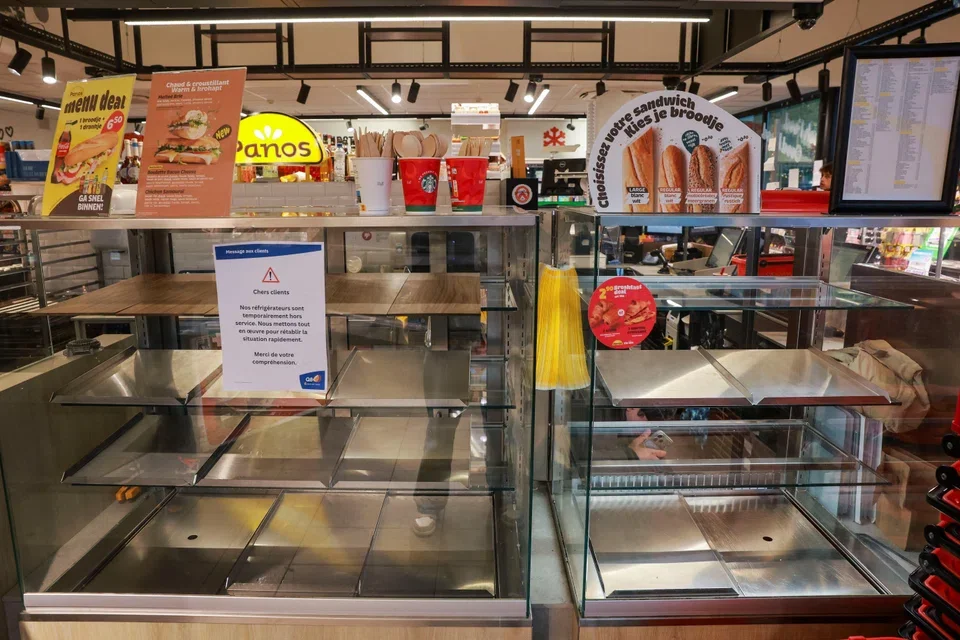

Retailers reporting problems included Ahold Delhaize, Carrefour and Spar in Belgium; Musgrave Group in Ireland; ICA and Coop in Sweden; and Kesko in Finland. Local media also reported that stores in Estonia were affected. No group had publicly claimed responsibility at the time of the reports, and some retailers had not established whether their incidents involved a cyberattack.

Store counts show uneven impact
The reported numbers suggest that the disruption was limited to a fraction of the affected chains’ locations, although the consequences for each store could be immediate. Carrefour Belgium said 15 of its 700 outlets were affected. Spar reported refrigeration trouble in around five stores. In Ireland, Musgrave said 13 SuperValu sites were involved and removed chilled and frozen products from sale as a precaution.

Those figures are not directly comparable: the companies described different networks, and the reports do not give a common measure of damaged stock, outage duration or customer impact. Still, the affected-store counts point to a geographically broad problem whose reported footprint differed considerably by retailer.

At several ICA and Coop stores in Sweden, freezer temperatures rose. ICA Kvantum in Sjobo said on its Facebook page that its freezers had been set to 50 degrees Celsius and that it suspected hacking. ICA Sverige said a limited number of stores had experienced an overnight incident affecting refrigeration and freezer systems, but did not confirm an attack. The company said affected stores were receiving help to manage the situation. Coop confirmed a hack affecting seven stores.

Sweden’s national cybersecurity centre was examining several incidents involving grocery-store refrigeration systems, its head, John Billow, told Reuters. He said that in recent weeks the centre had identified many exposed operational technology devices in Sweden and had stressed the need to update or patch them. Operational technology includes equipment that monitors or controls physical processes, such as refrigeration. When that equipment is connected to digital networks, a problem in its software or access controls can have consequences on a shop floor as well as on a computer system.

Finland reports a smaller cluster
Kesko, Finland’s second-biggest grocer, said some refrigeration equipment at a few smaller K-food stores had shown “temperature anomalies overnight”. Petri Kayhko, the company’s head of corporate security, said Kesko began investigating after automated alerts arrived and staff entered the premises in the morning. The retailer had not ruled out an IT-related incident.

Kayhko described the cases as affecting only a couple of smaller stores. Their equipment was outside the scope of Kesko’s centralised safeguards, he said. That distinction matters: central monitoring can help a company identify faults across a large estate, while equipment outside those systems may require local checks or separate safeguards. The reports do not establish whether this difference contributed to the incidents.

In Estonia, local media reported problems at supermarkets, including one chain where temperatures were set to 50 degrees Celsius, according to technology supplier Kitman Coldtech. Chief executive Jann Mutso told public broadcaster ERR that the incident had happened that morning and declined to identify the chain.
France offers a recent comparison
The European reports follow a more extensive disruption in France last month. About 700 stores were hit by cyberattacks that disabled refrigeration systems and forced shops to discard damaged food. Intermarche, Cooperative U and Carrefour were among the affected chains. That episode shows how failures in systems supporting ordinary store equipment can spread beyond an IT department: retailers may face spoiled inventory, lost sales and the logistical work of clearing affected products.
Ahold Delhaize said an “IT incident” occurred in a number of its Delhaize shops in Belgium on Sunday night and affected refrigeration. The chain detected rising temperatures in its cooling systems on Monday, spokesperson Sarah De Meester said. The company was investigating. In October, the retailer also experienced days of service outages and empty shelves across its stores in the Netherlands, and had not disclosed what caused that disruption.
The details still leave important questions open. The reports do not identify a common source or explain whether the incidents share a method. Nor do they provide a consolidated account of food discarded, store closures or repair costs. For supermarket operators, the immediate priorities are to check temperatures, protect customers and limit product losses; for the wider sector, the incidents put a practical focus on how connected refrigeration equipment is monitored, maintained and covered by central safeguards.