Tesco’s Czech and Slovak Sale Leaves Hungary as Its Last Continental Market
Tesco’s £1.5bn sale narrows its European footprint to Hungary, where taxes and price limits may complicate a future exit.
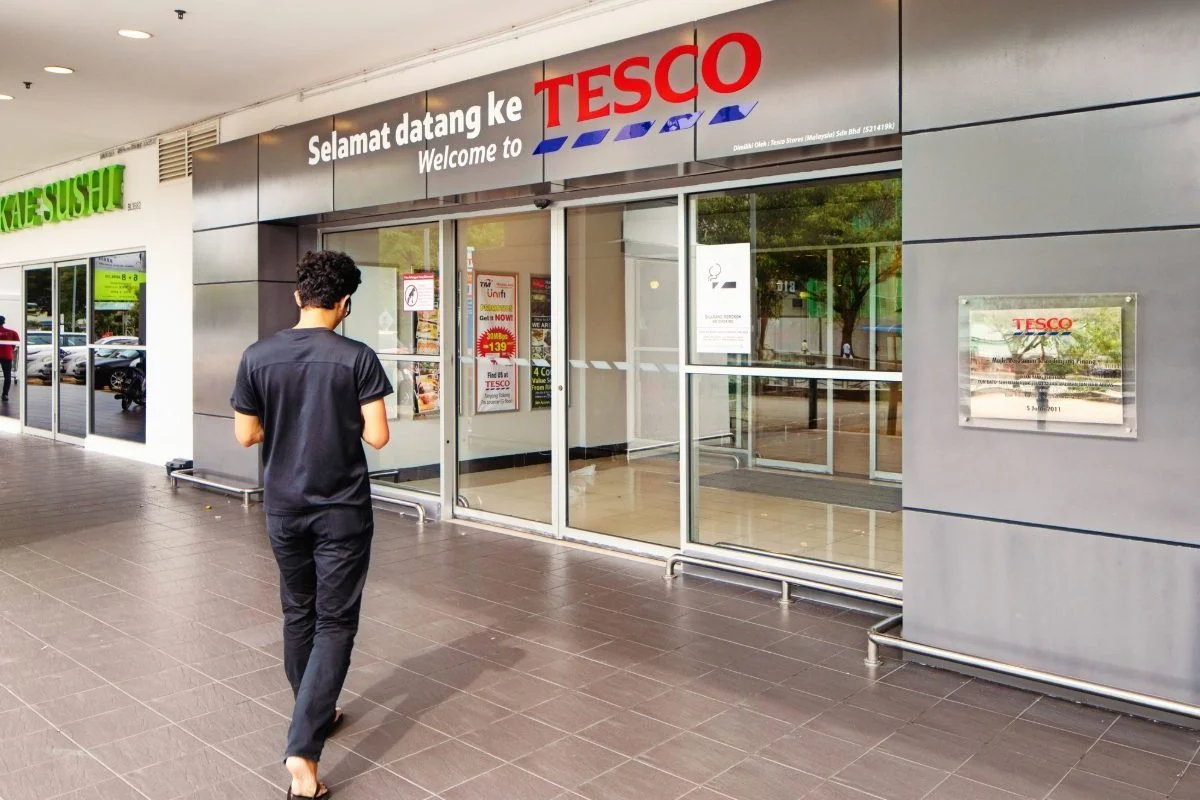
Tesco’s £1.5bn sale of its Czech and Slovak operations marks another sharp reduction in a global footprint that once stretched from Arizona to Malaysia. Hungary is now the grocer’s only remaining market on the European continent, and its future there is unsettled.
The retreat reflects a change in priorities at the British supermarket group. Tesco remains a major force at home, with 27.8 per cent of the UK grocery market and more than 3,600 shops. Under chief executive Ken Murphy, the company has focused on its UK and Irish operations, aiming to lower prices, improve quality and build out its food-led retail business.
That focus is a marked departure from the expansion ambitions voiced in 2007 by then-chief executive Sir Terry Leahy. He described Tesco as being on the threshold of becoming one of a small number of successful international retailers, with plenty of room to grow. The company has since left more than a dozen markets, including Poland, Thailand, China, Turkey, Pakistan, the United States, Hong Kong and South Korea.
A sale that reshapes Tesco’s European business
Tesco’s Czech and Slovak stores entered its portfolio through an exchange connected to the company’s departure from Taiwan. Tesco swapped its presence there with French retailer Carrefour’s shops in the two Central European countries. The businesses later became part of a much smaller European operation, but they were among its largest components: last year, their combined 363 locations generated £2.9bn in revenue.
Murphy said serving customers in the Czech Republic and Slovakia had been a privilege and expressed pride in what Tesco had achieved there. He also said the sale would help the company concentrate resources on its core UK and Irish businesses, continue investing in its food-focused retail operations and return capital to shareholders.
The transaction is significant for the shape of Tesco’s business as well as its proceeds. With the Czech and Slovak operations sold, the company has fewer international markets to manage and a greater share of its attention directed toward the UK and Ireland. For customers and staff in the two countries, the change in ownership marks the end of Tesco’s local chapter; the source material does not detail what the new ownership will mean for stores or employees.
Why Hungary remains a difficult decision
Tesco had been expected to include Hungary in a wider departure from Central Europe. Instead, the company said it was reviewing options for the business. It is unclear whether Tesco presented its Hungarian operation to Ahold Delhaize, the Dutch retailer that bought the rest of Tesco’s European arm, or chose to keep the stores while considering its next move.
One obstacle to a sale may be the economics of operating in Hungary. Bloomberg Intelligence analyst Charles Allen said Tesco would like to sell, but that the market’s tax burden could make a deal harder. Hungary imposed a 4.5 per cent tax on revenue generated by foreign-owned food retailers in 2022, alongside requirements to reduce prices on some staple products.
In March last year, limits were placed on markups for 30 basic grocery items, including eggs, milk and meat. The cap set the maximum at 10 per cent above wholesale costs. Such measures can squeeze retailers’ ability to set prices and protect margins, particularly when they apply across frequently purchased goods. Their effect depends on the products covered, the costs retailers face and how long the restrictions remain in place.
Allen said the 4.5 per cent charge had pushed many chains into losses. His view is that Tesco may be waiting to see whether the pressures ease enough to make the market more attractive to a buyer. That leaves the company weighing the potential proceeds and strategic benefit of an exit against the conditions that could reduce the value of its Hungarian business.
Tesco said the Czech and Slovak operations accounted for the “majority” of the £119m underlying profit generated by its Central European business. That comparison suggests Hungary contributed less than those two markets combined, but it does not reveal the Hungarian unit’s individual profit or loss. The information available therefore points to a smaller remaining operation, without establishing its precise financial performance.
If Tesco sells its Hungarian stores, Ireland would be its only territory outside the UK. The company controls roughly a quarter of the Irish market, and Murphy’s Cork roots add a personal connection to the business. For now, Hungary is the open question: Tesco’s review, the burden on retailers and the potential for those conditions to change will shape whether its final continental outpost remains in the group.