Poundland Sale Stalls as £30m Loan Terms Complicate Bids for Retailer
A dispute over repayment of Poundland’s £30m loan has stalled the leading whole-company bid, as store buyers weigh alternatives.
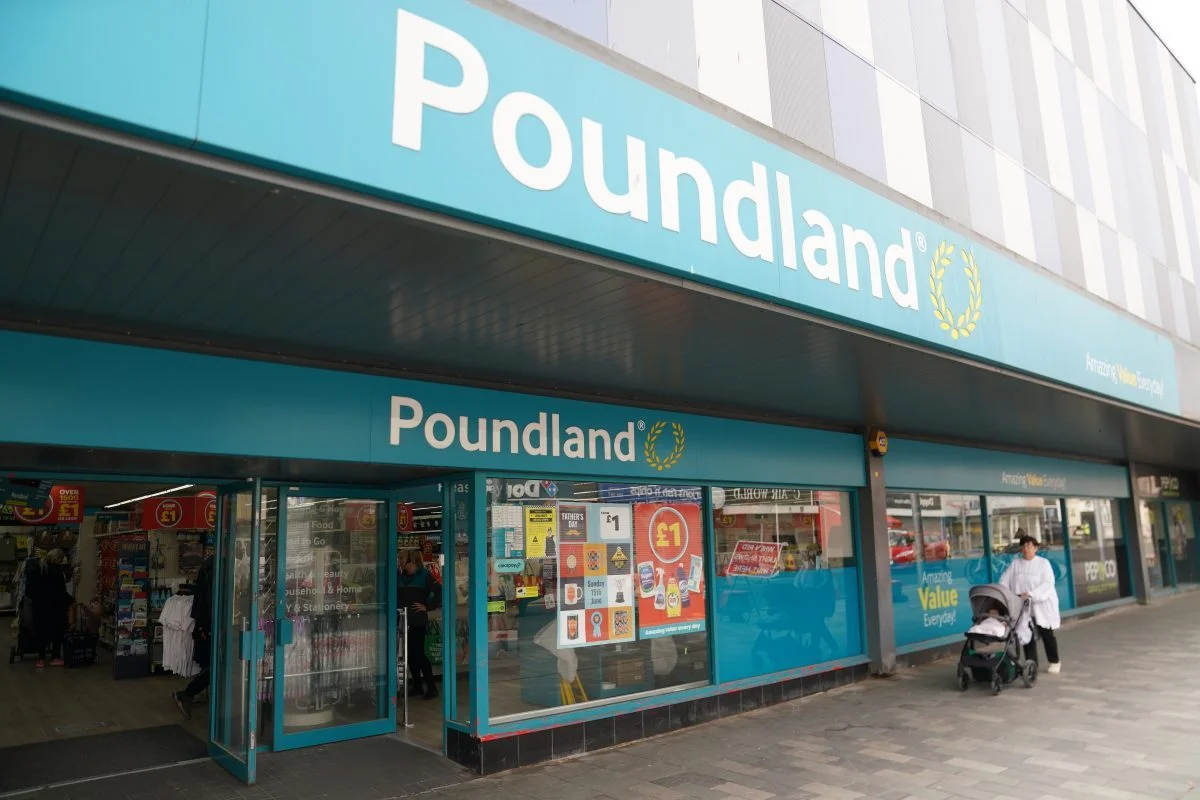
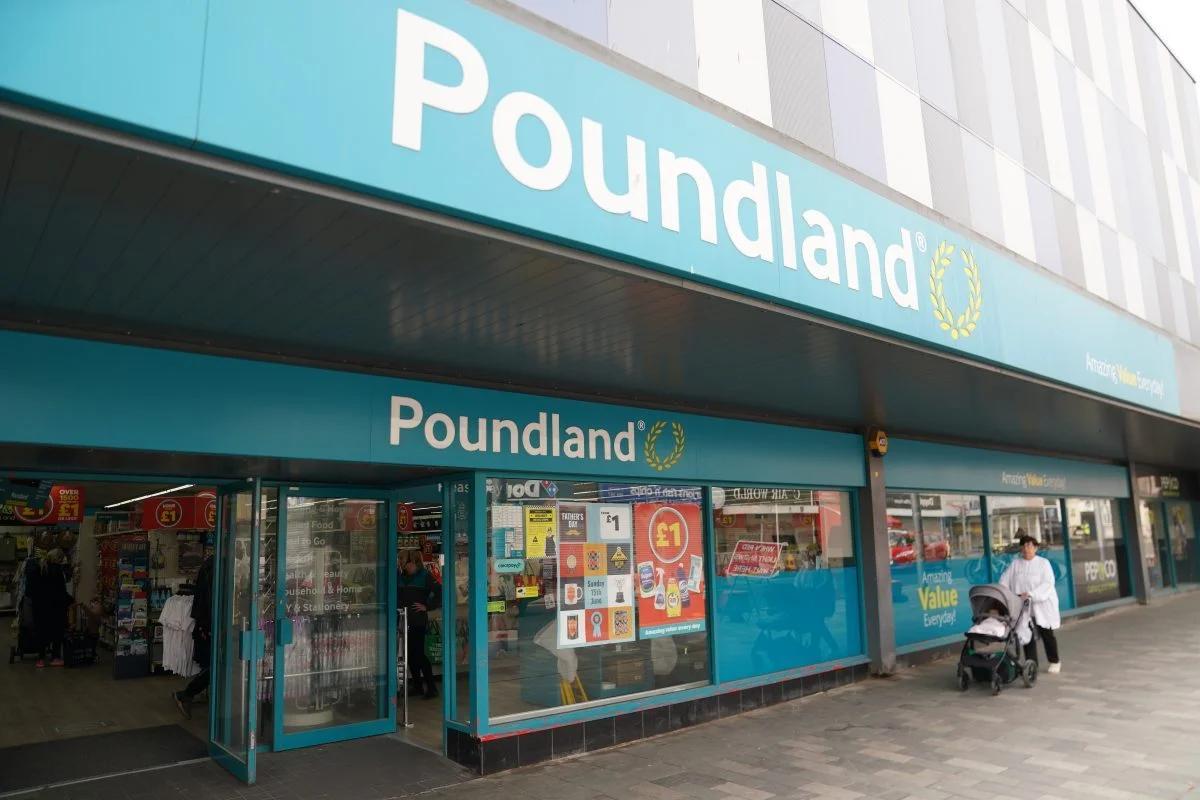
Poundland’s sale has reached a difficult point: the retailer’s owners have not accepted the leading offer, and the disagreement centres on who pays a £30m loan and when. That leaves the prospect of selling the chain as a whole unresolved while interest in individual stores gives the owners another route to consider.
Martin Property Group (MPG), the buyer that recently acquired National Car Parks (NCP) out of administration, submitted a formal bid for Poundland. The retailer’s management team identified MPG as its preferred bidder, and Poundland’s board had publicly backed its offer. But the parties have not agreed on the loan terms, and progress towards a deal has stalled.
The loan at the centre of the dispute
Gordon Brothers, the US investment firm that owns Poundland, wants the £30m loan covered as part of any sale. City AM reported that MPG is unwilling to pay the full amount up front. The loan matures in 2030. Gordon Brothers inherited it when it bought Poundland for £1 from European retail group PepCo.
The difference is significant because it affects the cash and liabilities attached to a potential purchase. A buyer taking over the whole business would need to weigh the cost of acquiring the retailer alongside the treatment of that debt. If the seller requires repayment at completion while the buyer wants different terms, a preferred bid can remain far from a completed transaction.
The source does not specify what alternative repayment structure MPG proposed, or whether the parties have continued talks on revised terms. MPG did not respond to a request for comment. That leaves the central question open: can the sides agree who carries the loan, or will Poundland’s owners advance other offers instead?
The disagreement has also sharpened tensions within the retailer’s sale process. Andrew Kirkpatrick, Stephen Welch and Dominic Young, three directors brought in to speed up the sale, are said to be considering resigning. Their potential departure, first reported by Sky News, raises further uncertainty around a process that had already produced a management preference for MPG’s offer.
Store-by-store bids offer another path
MPG had been the frontrunner to buy the entire business, but it is not the only source of interest. Several retailers have made offers for substantial parts of Poundland’s roughly 600-store estate. Lidl, Iceland, The Range, B&M and Poundstretcher are among the chains reported to be interested in stores if Poundland is broken up.
Gordon Brothers said that attention must now turn to other active bids. Its spokesperson said the process had produced formal and indicative offers for viable parts of the business from established retail operators, alongside interest in buying the whole chain. The company said those options would be evaluated with the aim of reducing uncertainty for Poundland’s employees and other stakeholders.
Breaking up the estate could offer a way to sell viable locations even if no buyer agrees to acquire the whole company on the terms Gordon Brothers wants. It would also make the outcome more complicated: different buyers could take different groups of stores, while locations without a buyer would remain part of the wider uncertainty.
Potential buyers have committed to taking on staff at the stores they acquire, under Transfer of Undertakings (TUPE) rules. That provides a defined basis for employee transfers where a store changes hands. It does not, by itself, settle what happens to staff at sites that are not acquired, or how quickly a complete sale process can resolve the retailer’s position.
What to watch in the next stage
Poundland’s future now depends on how the competing bids compare in practical terms: the value and number of stores covered, the treatment of the loan, and the conditions attached to each offer. A whole-company purchase could provide one buyer and one route for the chain, but the current disagreement has stalled that option. Store-level sales may draw on wider retail interest, yet could leave the outcome uneven across the estate.
The retailer’s employee uncertainty has already prompted criticism from Usdaw, the retail union. It called Gordon Brothers an “absolute disgrace” and warned that Poundland was close to administration. That criticism underlines the cost of delay for staff as well as the commercial stakes for the seller and prospective buyers.
Gordon Brothers’ next decision will show whether the owners see greater value in continuing to pursue a whole-business deal or assessing the separate store offers. Until the loan terms and buyer commitments are clearer, the preferred bid remains an expression of interest rather than a settled outcome—and the 600-store estate remains central to what happens next.