NSE’s Electronic Gold Receipts Could Add ₹1,259.9 Crore in Annual Revenue by FY30
Jefferies estimates EGR revenue could reach ₹1,259.9 crore by FY30, if trading volumes scale and access to physical gold improves.
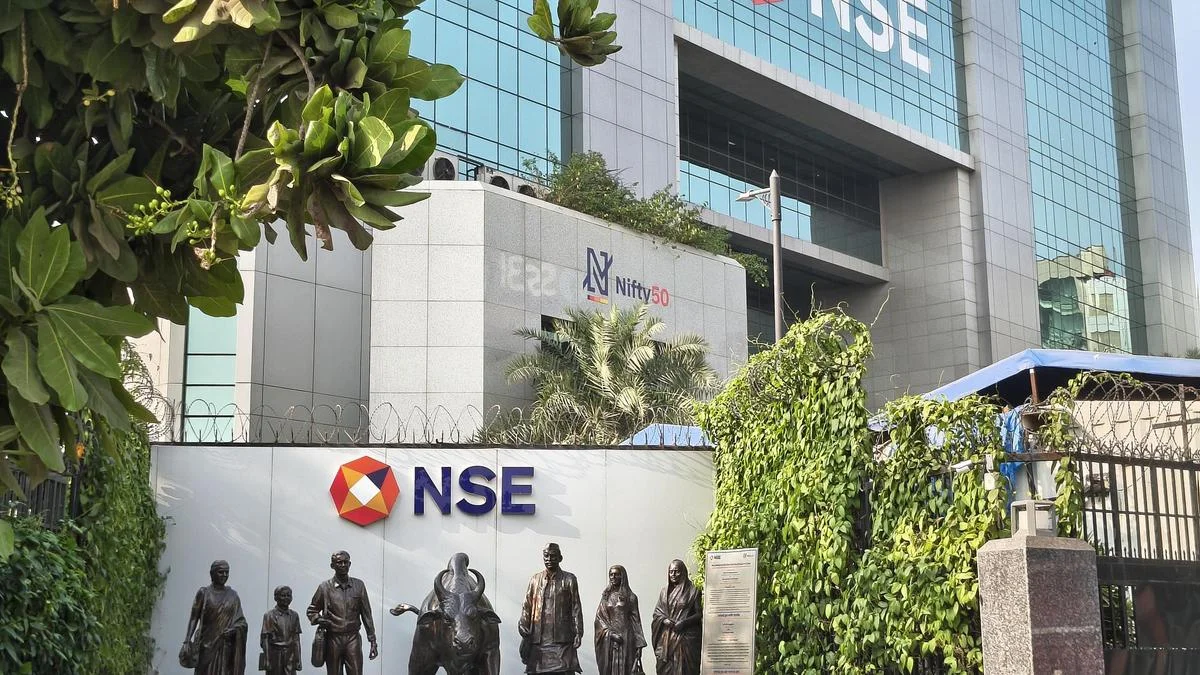
NSE’s Electronic Gold Receipts could become a significant source of new revenue by FY30, but the projection depends on the receipts developing into a large spot market for gold. Jefferies estimates the business could generate ₹1,259.9 crore in annual revenue under that scenario, equivalent to 7.6 per cent of NSE’s FY26 operating revenue.
The estimate rests on a sharp increase in trading activity. Jefferies projects EGR volumes of 18,750 tonnes by FY30, based on annual platform trading equal to 25 times India’s gold consumption. At the brokerage’s assumed pricing, that activity would produce turnover of about ₹229 lakh crore, or $2 trillion. These are scenario estimates, not current platform results.
Scale is the central condition
The comparison Jefferies uses to illustrate the potential is China’s Shanghai Gold Exchange. It recorded gold trading turnover of $7.5 trillion in calendar year 2025, about 73 times China’s gold consumption. That comparison shows the scale of turnover a mature gold trading venue can reach relative to domestic consumption. It does not establish that NSE will achieve a similar ratio: the projection depends on participation, access to gold deposits and trading activity building substantially over time.
NSE launched EGRs in May 2026. Each receipt represents ownership of physical gold held in a vault approved by the Securities and Exchange Board of India. That link to stored metal distinguishes EGRs from gold exchange-traded funds and Sovereign Gold Bonds, according to the source: EGRs can be converted into physical gold. A 3 per cent goods and services tax applies when that conversion takes place.
The conversion feature gives the receipts a direct connection to physical gold, while exchange trading provides a way to buy and sell them as securities. For the market to grow, however, participants need workable ways to deposit gold and access receipts across locations and denominations. Trading potential alone does not guarantee that gold holders will use the system or that buyers and sellers will meet in sufficient numbers.
Access and product development will shape adoption
NSE plans to increase the number of authorised collection centres to more than 1,000 over the next year, Jefferies said. Those centres are relevant to the supply side of the platform: easier access to deposit points could help bring more physical gold into the system. The exchange has also introduced smaller-denomination receipts to encourage retail participation, widening the potential user base beyond holders of larger quantities.
Jefferies says futures and options contracts linked to EGRs could be considered once turnover grows. Such contracts would add ways to trade exposure to the receipts, but their relevance would depend on an underlying market with enough activity. The brokerage’s estimate therefore connects several steps: more access to deposits, broader participation, higher turnover and, potentially, additional products.
EGRs are one of three businesses Jefferies expects could together generate ₹2,242 crore in annual revenue by FY30. That combined estimate is not included in its base-case forecasts. The other projected contributions are ₹859 crore from commodity derivatives and ₹123 crore from the mutual fund order platform. Jefferies puts the combined figure at 13.5 per cent of NSE’s FY26 revenue and 13.8 per cent of its FY26 profit after tax.
Other businesses are also expected to expand
Commodity futures and options have grown from a small base. NSE’s average daily turnover in commodity futures has increased threefold in calendar year 2026 so far, while options turnover has risen tenfold, led by WTI crude oil contracts. Despite that growth, the segment still accounts for less than 1 per cent of revenue. Jefferies expects its contribution to reach at least 2 per cent by FY30.
NSE MF Invest, the exchange’s mutual fund order platform, increased its market share to 13 per cent in FY26 from 9 per cent in FY25. Jefferies projects a rise to 35 per cent by FY30 and expects the number of orders processed to increase sevenfold, with fintech platform partnerships supporting growth. Those targets, like the EGR forecast, depend on continued expansion in usage.
Jefferies separately expects NSE’s revenue to grow at a compound annual rate of about 15 per cent between FY27 and FY29. The key measure to watch for the EGR business is whether deposit access and smaller denominations translate into sustained trading volumes. Without that scale, the projected turnover and revenue remain conditional estimates; with it, EGRs could become a substantial addition to the exchange’s business mix.


