Gold Holds Near US$4,050 After Rate Hold Leaves December Path Unclear
Gold recovered its losses after rates stayed unchanged, but firm yields and energy-led inflation continue to limit a rebound.
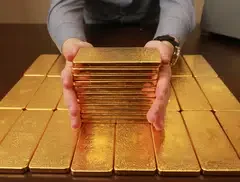
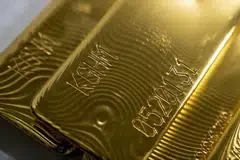
Gold recovered its losses after the US Federal Reserve kept interest rates unchanged, but the decision gave traders little clarity about whether rates will rise in December. Bullion traded around US$4,050 an ounce as Treasury yields and the US dollar moved in both directions. The result leaves gold caught between a pause that was less restrictive than some feared and the continuing possibility of further tightening.

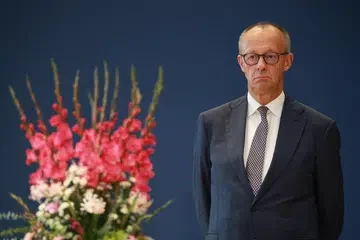
The Federal Open Market Committee voted 10-2 to maintain its benchmark federal funds rate at 3.75 to 4 per cent. Governor Lisa Cook and Cleveland Fed president Beth Hammack dissented, preferring a quarter-percentage-point increase. The split showed that policymakers differed over whether current conditions called for another move, even as the majority chose to wait for more information.
In its Wednesday (Oct 28) statement, the committee said that gathering more information would help it determine the policy stance needed to return inflation to its 2 per cent goal in a timely way. That wording kept the next decision open. It didn’t commit policymakers to a December increase, while leaving room for one if the incoming evidence points to persistent price pressure.
A pause with a restrictive edge
TD Securities global head of commodity strategy Bart Melek described the decision as “a somewhat hawkish hold”. He expects higher rates down the road, though he said any increases would likely be modest because price pressures are not massive and inflation expectations remain well anchored.

For gold, the distinction matters. The metal doesn’t pay interest, so higher yields on bonds can make it less attractive by comparison. Melek said elevated bond yields act like a “double whammy” for non-yielding bullion and make a major rebound unlikely anytime soon. The rate hold eased the immediate pressure, but the committee’s stance still leaves yields and expectations about future policy central to the price outlook.

Melek said the decision was less hawkish than it could have been. In his view, that points to gold remaining near the bottom of its recent range while holding above US$3,900 support. Those levels describe his assessment of the market setup; the article doesn’t establish that the floor will hold. A shift in yields, currency moves or inflation expectations could change the balance.
The currency link was visible in the day’s trading, though the available figures show only a modest move in the dollar. The Bloomberg Dollar Spot Index, which tracks the US currency, was down 0.1 per cent as of the reported afternoon snapshot. A softer dollar can support gold by making it less expensive for buyers using other currencies, while a firmer dollar can weigh on demand. On this day, the moves in yields and the dollar helped shape a mixed market rather than a decisive breakout.

Policy timing adds another variable
Fed chair Jerome Powell said at a post-decision press conference that the central bank plans to adjust its meeting schedule, with rate-setting votes at seven of its eight meetings in 2027. Melek said fewer voting meetings could affect how long a policy stance persists. If policymakers lean against an increase, he said, lower rates could stay in place longer; if the bias is toward raising rates, the reverse could apply.

That schedule is a longer-term consideration for gold traders, distinct from the immediate question of what happens in December. Fewer decisions would mean fewer scheduled opportunities to change rates during the year. The effect would depend on the policy direction at the time, Melek said, and the schedule itself doesn’t settle what that direction will be.

Demand and risk appetite complicate the rate story
Rate expectations have largely dictated gold prices in recent months, but they aren’t the only force at work. Energy-driven inflation has kept expectations of further tightening alive, a usual headwind for bullion. At the same time, gold has behaved primarily as a risk asset since the outbreak of the Iran conflict, leaving it exposed when investors sell equities broadly. Last week’s technology-sector sell-off, driven by concerns around artificial intelligence, illustrated that vulnerability.
This mix complicates the usual reading of gold as a response to interest rates or financial stress. If markets are focused on inflation and yields, the prospect of higher rates can weigh on the metal. If investors are reducing exposure across risk assets, gold can also come under pressure despite its traditional role as a store of value. The source’s account points to both forces operating together, with no single signal yet dominating the outlook.
Monthly losses and the latest prices
Gold is down 2.1 per cent in October and is on course for a second consecutive monthly loss. Spot gold rose 0.3 per cent to US$4,070.86 an ounce at 4.09 pm in New York. The move recovered the earlier losses described in the report, but the monthly decline shows that one session’s rebound hasn’t erased the pressure built up over the month.
Other precious metals were mixed: silver fell 0.2 per cent to US$54.32 an ounce, platinum rose and palladium fell. These figures offer a snapshot of the broader metals market, but the report provides no percentage changes for platinum or palladium. Gold’s near-term test is whether it can hold its recent range as traders weigh the unchanged rate setting against the possibility of further tightening, fluctuating yields and currency moves, and changing appetite for risk.