Home Remodeling Booms Can Turn a Quiet, High-End Neighborhood Noisy
Five nearby remodels disrupted one San Francisco homeowner’s routine, while highlighting how construction can affect comfort and property values.
A quiet, desirable neighborhood can come with a noisy side effect: neighbors may have the money and motivation to remodel. One San Francisco homeowner saw five nearby properties undergo extensive work in roughly eight months, disrupting his midday routine even as the upgrades improved the street and may support surrounding home values.
He bought a remodeled home in 2023 on an oversized lot with a Golden Gate Bridge view. The choice meant spending on a better living environment while his children were still at home, rather than putting that money into stocks or private companies. The house had been updated within the prior three years, including its plumbing, electrical systems, walls, appliances, floors and windows.
That purchase offered three years of peace. Then construction began nearby. The experience points to a cost that buyers may overlook: a well-kept neighborhood can attract renovation spending, and workers, trucks and power tools can become part of daily life for months.
Five projects changed the sound of the street
The first neighbor, two doors away, started a gut remodel. Several months later, another homeowner three houses down began a similar project. Two months after that, a property down the hill began work on its deck, windows and exterior plaster. A fourth neighbor took on a partial remodel.
Then a home across the street changed hands while the writer’s family was away in Hawaii for a month. The new owners began a gut remodel, bringing the count to five extensive projects in about eight months. A large truck and four workers arrived to clear out the house. The writer moved to an office sofa on the opposite side of his home in hopes of getting a nap.
For someone who writes at home and regularly rests between 1 p.m. and 3 p.m., the timing was a particular problem. There may be a lunch break around noon, but the pounding, drilling and sawing often resumed during the afternoon. The projects were expected to continue for another three to six months.
The homeowner’s broader point is that affluent areas can see more frequent renovations. Owners may have the resources to improve older properties, while new buyers may want to reshape a home to their preferences. The resulting disruption falls on nearby residents, especially people who work from home or are retired.
Construction affects the use of a home
Noise can interfere with concentration, rest and the ordinary rhythm of a household. In this case, it made writing difficult and put an end to the reliably quiet nap. The inconvenience is temporary, but it’s a real part of the cost of living next to a renovation.
There are practical ways to adapt. Noise-canceling headphones may help during work or rest, although wearing a headset to sleep can take getting used to. Leaving home for a coffee shop or park shifts work elsewhere. The writer also began scheduling more pickleball and tennis, and sometimes took his children to a playground or sports club after school before returning home.
From his observation, construction often winds down by 5 p.m. or 6 p.m. That schedule offers a rough boundary on the disruption, though the duration depends on each project. For nearby residents, knowing the likely work hours and having somewhere else to spend part of the day can make a long renovation easier to manage.
Noise brought changes to the homeowner’s routine
The interrupted rest prompted a few useful adjustments. On some afternoons, the writer ate less and played pickleball before collecting his children. That added exercise and social time. On rest days, he used the former nap window to work on a book about helping children succeed.
Writing a book is slow work for him: each of his previous books took at least 10 drafts and at least 20 edits across five people. The extra time gave him more room to revise. He says the construction has made him more active and productive, even if the route to those benefits was hardly quiet.
Renovations can reshape the street’s appeal
The five homes were old, and one had apparently been empty for at least four years before the family bought nearby. The property across the street had an unattractive exterior, while other homes were receiving fresh paint. The homeowner sees the improvements as a potential benefit to the street, including his own property.
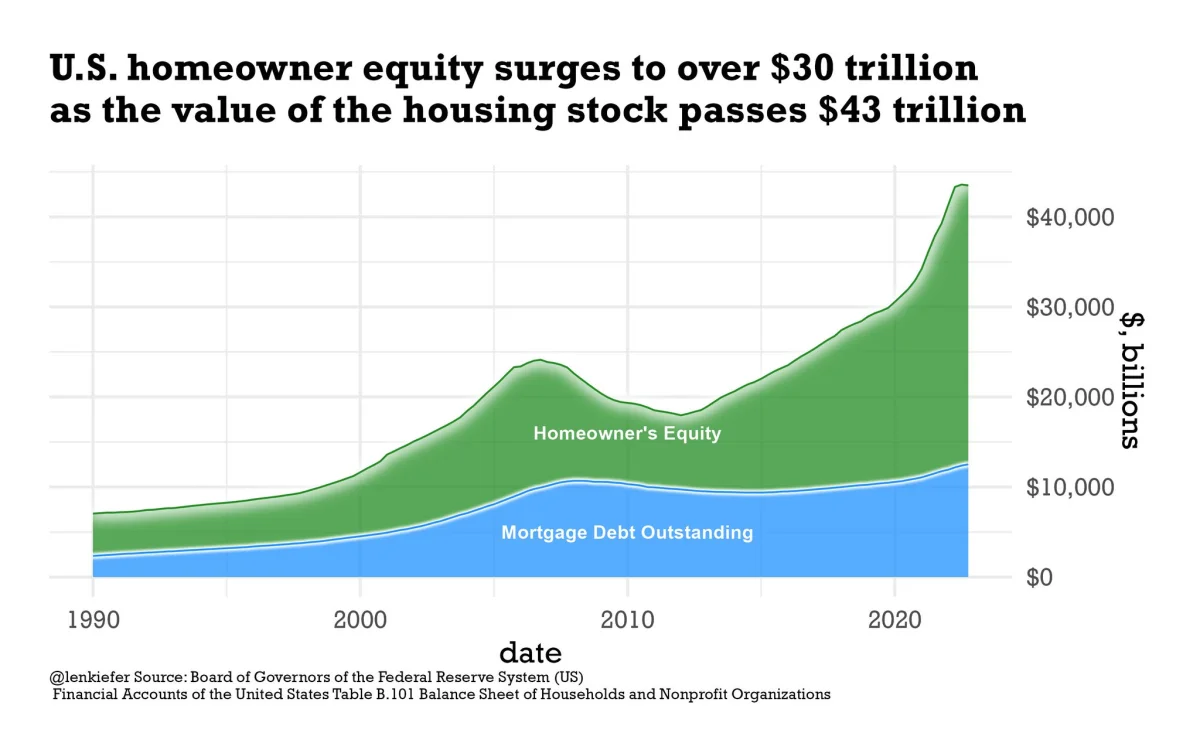
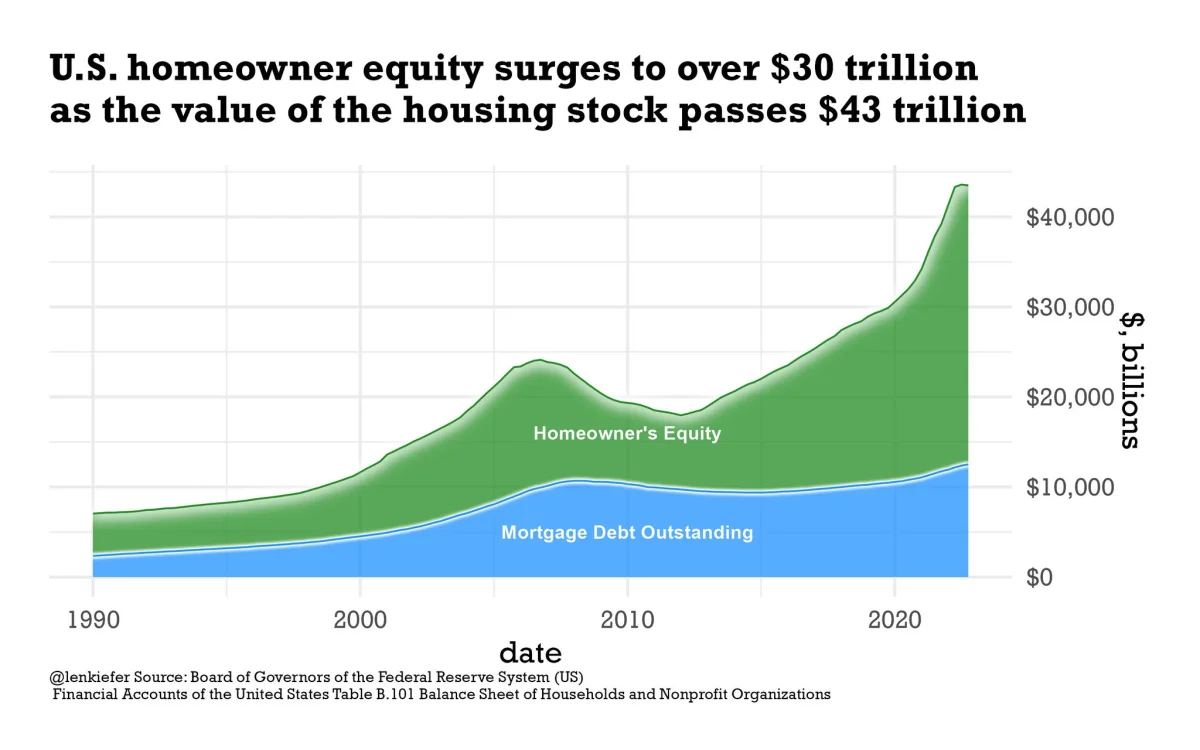
That effect is plausible, but the article’s estimates are not guarantees. It says many remodels recover 80% to at most 100% of their cost. In San Francisco, the writer believes a good renovation can add 20% or more above its cost amid local demand associated with artificial intelligence. Expanding a home’s usable area may also improve the economics when construction costs per square foot are below local sale prices per square foot.
Those outcomes depend on the property, the work and what buyers value. A renovation can improve appearance and function, but the spending does not automatically translate into an equal increase in resale value. Higher-end buyers may place more value on time and move-in readiness, which can make finished homes appealing to them.
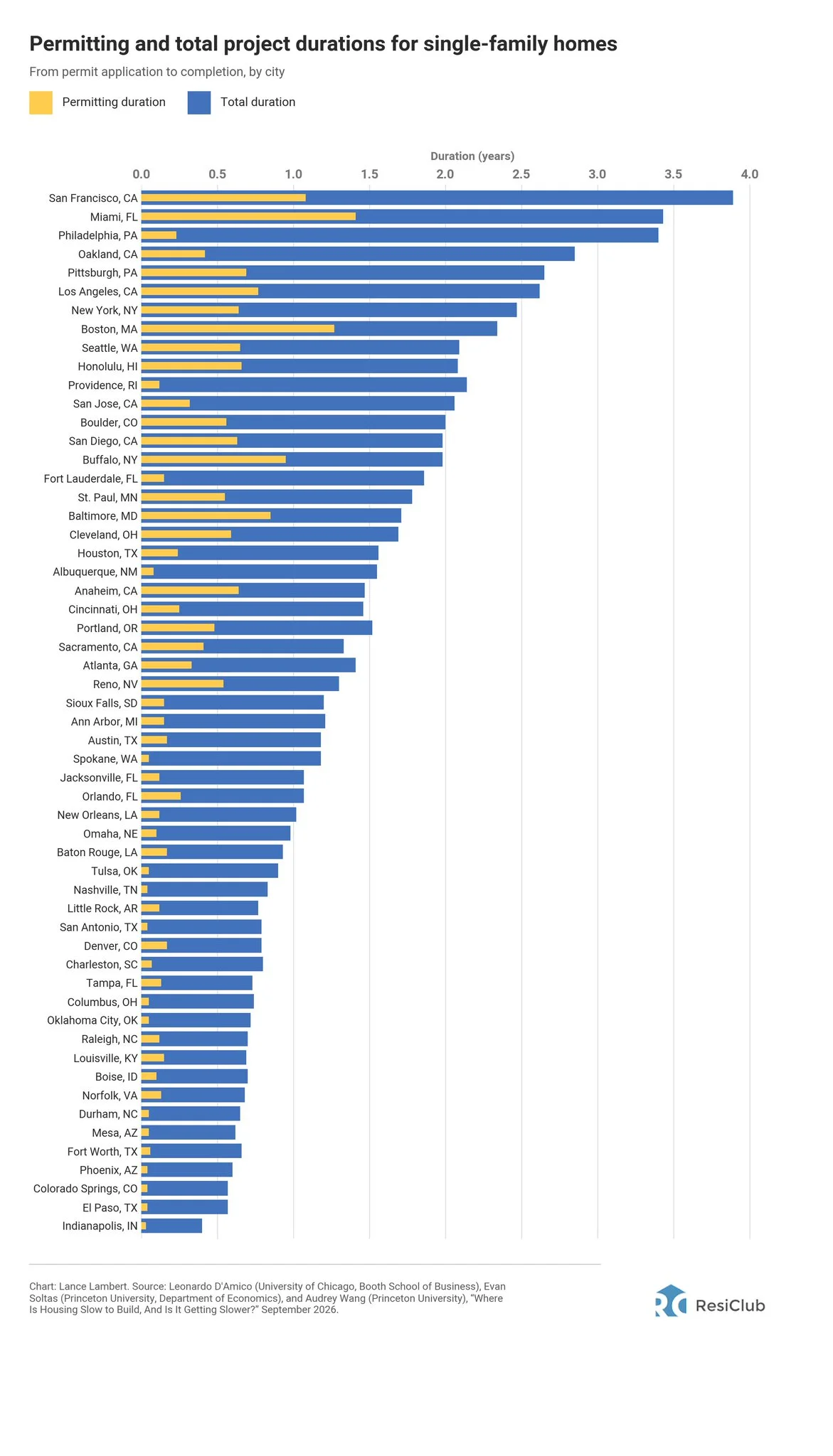
After having three homes extensively remodeled, the writer says he’s finished with major projects. Delays and cost overruns can make the work exhausting. He describes long waits for approvals in San Francisco, changing requirements and disagreements among inspectors. He also notes that some owners avoid formal approvals, while acknowledging that they can support safety and resale value.
His preference now is to pay more for a home that has already been updated rather than take on the work himself. Since buying in 2023, his main repair has been replacing rotten fence boards he missed during inspection. He expects future projects to be limited to fixtures, appliances and paint, and recommends a professional inspection before purchase.
Look beyond the house you’re bidding on
For buyers considering a desirable neighborhood, the condition of nearby homes may offer clues about future construction. The writer suggests checking three houses in each direction: to the right, left, in front and behind. Prospective buyers can inspect their visible condition and, where possible, meet the neighbors.
Older homes that have gone untouched for years may be more likely to change hands and draw new owners who want a major renovation. That’s not a certainty, but nearby vacancies, dated exteriors and signs of deferred work can help buyers think through the possibility. The writer knew that one nearby house was empty and had met some older neighbors, yet did not connect those details with likely turnover and construction.
Even with that hindsight, he says he would still have bought his home for the value. Three quiet years were a meaningful benefit, and he hopes the current projects will finish within six months, leaving another decade or more of calm. The lesson for buyers is to weigh the immediate experience of a street alongside its potential: renovation can improve a neighborhood’s homes, but the path to those upgrades may run through months of noise.
Financial Samurai disclosed a long-standing sponsorship relationship with Fundrise and said the writer had invested more than $300,000 with the real estate platform. That material reflects the author’s experience and commercial relationship; it does not establish that a particular property investment will produce a specific result.


