Poundland’s Sale Stalls as Store and Job Prospects Hang in the Balance
Poundland’s owners have rejected a £30m loan request tied to a proposed sale, leaving a break-up of its 640 stores among the possible outcomes.
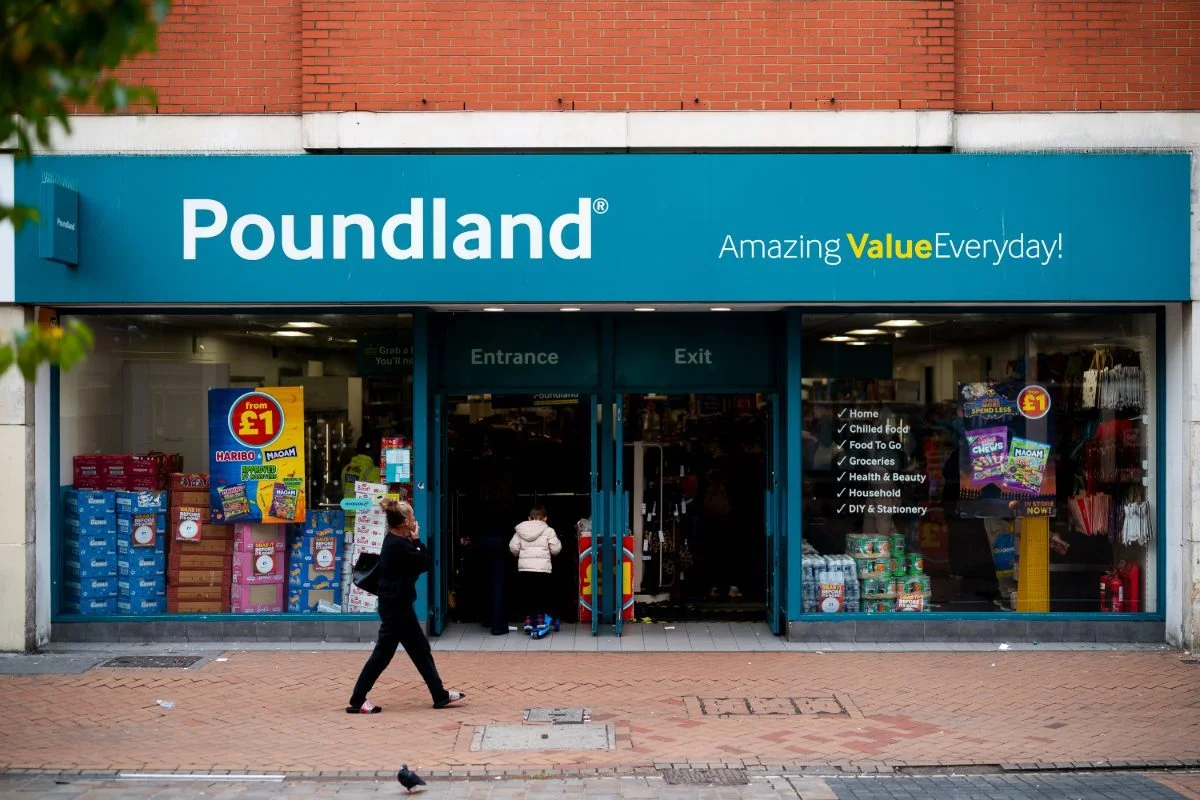
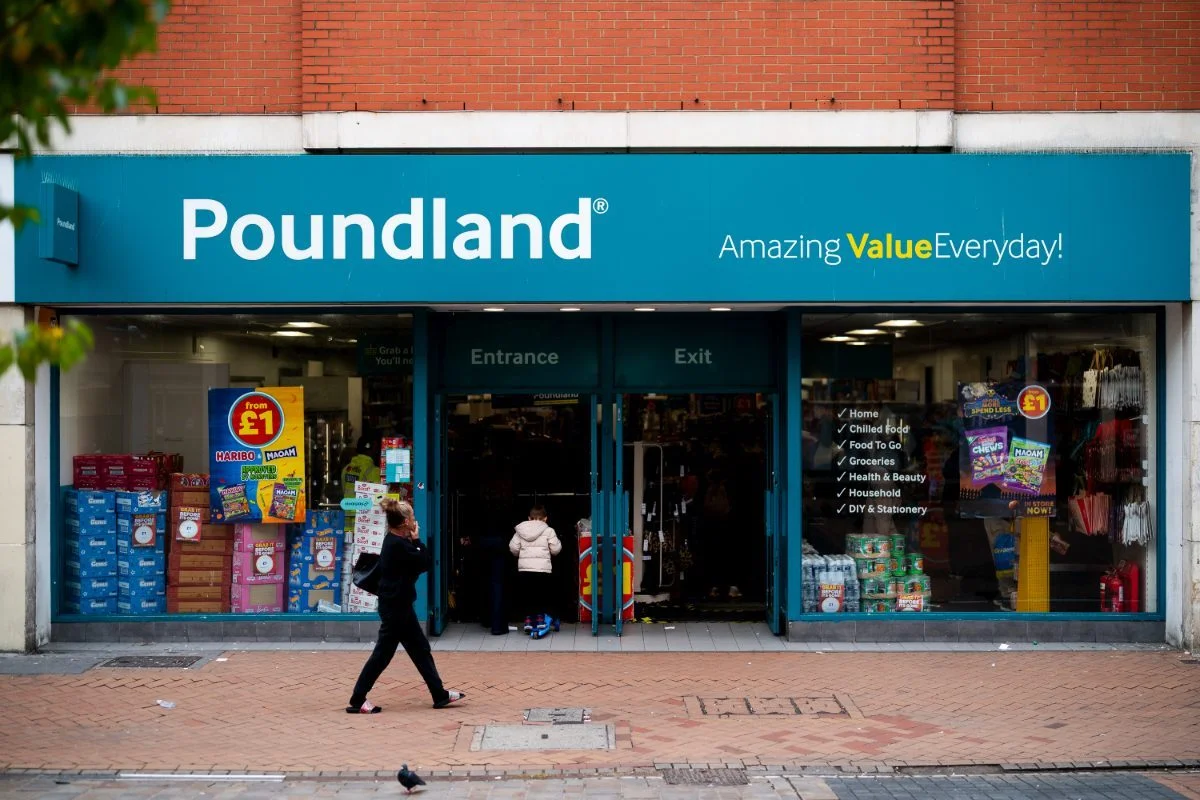
Poundland’s immediate challenge is no longer simply finding a buyer. With its directors filing a notice of intent to appoint administrators, the retailer faces a short window to secure a future for the business while a whole-company sale has failed to take shape. The outcome could determine whether the chain remains intact, is divided among other retailers, or loses its brand altogether.
The notice was filed on Thursday. It opens a 10-day moratorium during which creditors cannot call in their debts, giving the company time to pursue a rescue or sale. AlixPartners could be formally appointed to take control in the coming days. If the business fails, nearly 12,000 jobs and its 640 stores across the UK and Ireland could be affected. The potential collapse therefore reaches beyond the company’s owners: employees, suppliers, landlords and communities that rely on local stores all have an interest in what happens next.
The £30m dispute that blocked a whole-company offer
Gordon Brothers, Poundland’s American owner, had been considering a solvent takeover offer from Irish property firm Martin Property Group. The proposal stalled after the parties disagreed over a £30m payment connected to a shareholder loan. Gordon Brothers wanted Martin Property Group to cover the amount, although the loan had been inherited from Poundland’s previous owner, Pepco, when Gordon Brothers bought the retailer for a nominal £1 last year. The owners rejected the bid amid that dispute.
Martin Property Group’s offer had the backing of Poundland’s management, but the buyer would not take on the requested loan payment. That gap appears to have proved decisive: the proposed transaction offered a route to keep the retailer together, yet the parties did not agree on its financial terms. The source does not disclose the full conditions of the offer, so it remains unclear what other issues, if any, stood between the parties.
Three directors brought in to accelerate the sale process resigned earlier this week, reportedly over Gordon Brothers’ refusal to accept the bid. Their departures add to the uncertainty around the company’s ability to complete a sale quickly. A short moratorium can create time for discussions, but it does not itself resolve the competing demands of the owner, a potential buyer and creditors.
Partial bids could preserve stores but split the chain
Although no acceptable offer has emerged for the whole business, Poundland managing director Barry Williams said the process had attracted formal offers from established retail operators for significant parts of the company. He said these offers represented the best available prospects for shareholders and creditors, as well as for preserving jobs.
That route could keep some locations open while changing who owns and operates them. Lidl, Iceland, The Range, B&M and Poundstretcher have expressed interest in selected stores. Their attention is likely to centre on locations and stock that fit their own operations. The source says bidders have committed to taking on staff at stores they acquire under rules designed to protect employees when a business changes hands. The number of stores or roles covered by those offers has not been specified.
There is a clear trade-off. Sales to several operators could preserve activity at parts of Poundland’s estate, but they would not necessarily keep the chain together. If the business is broken up, the familiar Poundland name could disappear even as other retailers take over some sites and employees. For staff, prospects would depend on which locations attract offers and whether those transactions are completed. For customers, the likely change would vary by town, since the source does not identify the stores under consideration.
Employees and local sites face an uncertain wait
Usdaw, the retail union, had already warned about the risk to employees. Its national officer, Bally Auluk, criticised the owners’ decision not to accept a solvent offer and said he believed it could lead to administration and 11,000 redundancies before Christmas. That figure differs from the nearly 12,000 jobs cited as being at risk across the company; neither number is presented as a confirmed count of job losses.
Williams acknowledged that the sale process was creating uncertainty, particularly amid what he described as a challenging UK economic environment. He thanked employees and other stakeholders for their support. His comments point to the central difficulty for the retailer: offers for parts of the estate may provide a path for some stores and jobs, but the company has not identified a deal that secures the business as a whole.
Poundland’s distribution centre in Makerfield is another site whose future drew attention during the sale process. Martin Property Group had promised to protect it, but the source says that assurance would be far less secure if the retailer were divided. The site’s fate, like that of individual stores, depends on how any sale is structured and which assets buyers take on.
The next developments to watch are whether administrators are formally appointed, whether the partial offers proceed, and how many stores and employees any completed transactions cover. The moratorium creates a brief opportunity to pursue those outcomes. It does not yet show whether Poundland can be saved as one business or whether its future will be decided store by store.


