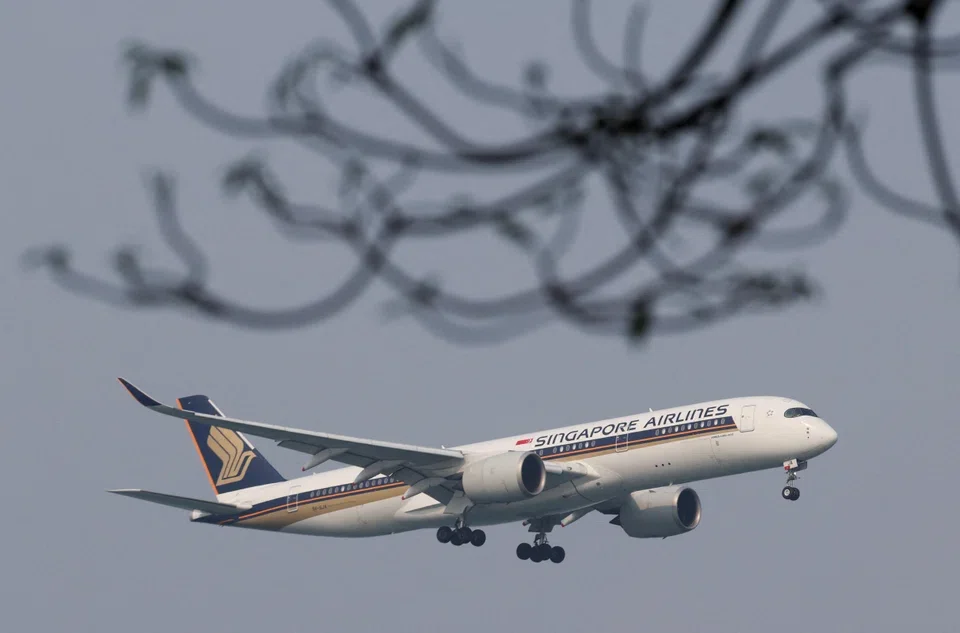
Singapore Airlines commits to up to 4,800 tonnes of Aether sustainable aviation fuel
SIA will buy up to 4,800 tonnes of fuel from Aether’s Singapore facility over three years, with deliveries due to begin in 2028.
Singapore Airlines’ commitment to buy up to 4,800 tonnes of sustainable aviation fuel from Aether Fuels gives the Singapore plant a first customer and a route toward commercial deliveries. The binding deal covers three years, with supply scheduled to start in 2028. Its significance will depend on whether the facility can turn waste based feedstocks into fuel at the scale and pace the contract requires.

A first customer for Project Beacon
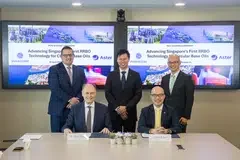
SIA and Aether signed the binding agreement on Oct 23. The companies announced it on Oct 28, saying the airline would purchase the fuel from Project Beacon, which Aether is developing at Aster’s refining complex on Pulau Bukom. Deliveries are expected to begin in 2028.
The deal follows a memorandum of understanding the companies signed last year. Since then, Aether has established its first commercial facility in Singapore and built relationships across the local supply chain, according to the companies. The purchase agreement gives the project a defined prospective customer and volume, though the source does not specify annual delivery quantities, pricing or conditions tied to production.
SIA is the first buyer of fuel from Project Beacon. That makes the arrangement an early commercial test of a production route designed to turn waste carbon into aviation fuel. A stated purchase ceiling of up to 4,800 tonnes over three years sets the scale of SIA’s commitment; it does not establish how much fuel the plant will ultimately produce or how much of the contracted volume will be delivered.
Feedstocks differ from established pathways
Project Beacon is intended to use feedstocks including biomethane and industrial waste gases. The companies describe the process as a new technology that converts waste carbon feedstocks into aviation fuel. For SIA, this marks its first purchase of sustainable aviation fuel made through this kind of pathway.
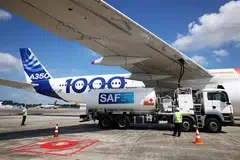
The approach offers an alternative to hydro-processed esters and fatty acids, or HEFA, which relies on lipid based inputs. The companies said those feedstocks are more constrained. Using waste gases and biomethane could therefore widen the range of inputs available to fuel producers, although the announcement provides no production data with which to compare the two routes on cost, output or emissions performance.

That distinction matters because a new feedstock route must work as an industrial process, not only as a technical concept. The project’s ability to secure suitable inputs, operate at commercial scale and deliver fuel to the airline will shape whether this first customer commitment can translate into a continuing supply. The source does not provide details on Project Beacon’s capacity, construction schedule or expected output beyond the delivery start year.

Singapore’s role and SIA’s target
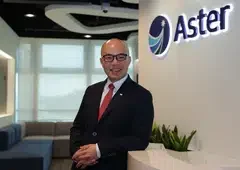
Aether co-founder and chief executive Conor Madigan pointed to Singapore’s refining and aviation infrastructure, investment support, sustainability policies and position as an aviation hub as factors helping to build an ecosystem for aviation decarbonisation. Project Beacon’s location at Aster’s refining complex places the facility within an existing industrial setting, while the planned deliveries link production to an airline customer.

For SIA, the purchase sits within its ambition to reach net-zero carbon emissions by 2050. Chief sustainability officer Lee Wen Fen said that supporting the development and adoption of sustainable aviation fuel, while securing future supplies, is integral to that goal. She said SIA would continue working with partners globally to expand production, strengthen the aviation industry’s sustainability ecosystem and support a transition to more sustainable air travel.

The announcement sets out an initial commercial relationship, not a measure of the fuel’s eventual contribution to SIA’s overall fuel use or emissions target. No price, emissions reduction estimate or share of the airline’s consumption was disclosed. Those details would be needed to assess the financial and environmental weight of the commitment.

What to watch before deliveries
The next concrete milestone is the planned start of deliveries in 2028. Before then, the key questions are whether Project Beacon progresses from development to reliable commercial production, what volume it can supply and how consistently it can access its intended feedstocks. The agreement names a maximum purchase volume and a delivery window, but does not explain how supply would be handled if production falls short.
For the broader aviation fuel market, this deal illustrates the effort to develop supply beyond lipid based inputs. A successful waste carbon pathway could add another source for airlines seeking sustainable fuel, while leaving the usual commercial questions around scale, cost and availability. For now, the clearest evidence is a three year customer commitment from SIA and a 2028 delivery target; the project’s operating performance will determine what follows.
Related coverage: A shortage of used cooking oil and Singapore’s alternative fuel projects.


