Sheng Siong Q3 Revenue Climbs 6.2% as Store Expansion Lifts Sales
Sheng Siong’s Q3 profit rose 1.9% to S$44.6 million as revenue grew, while higher staff costs and price competition remain pressures.
Sheng Siong’s third-quarter growth came with a clear trade-off: a larger store network and better same-store sales lifted revenue, while rising staff costs and persistent price competition weighed on the outlook. For the three months ended Sep 30, profit increased 1.9 per cent to S$44.6 million, and revenue advanced 6.2 per cent to S$441.5 million.

The supermarket operator’s expansion in Singapore was a central contributor. It had 92 stores in the city-state, compared with 84 in the same period a year earlier. Retail space grew to 799,775 square feet from 723,648 square feet. The company also credited improved comparable same-store sales, suggesting that the revenue increase reflected both a wider footprint and stronger sales at existing locations.
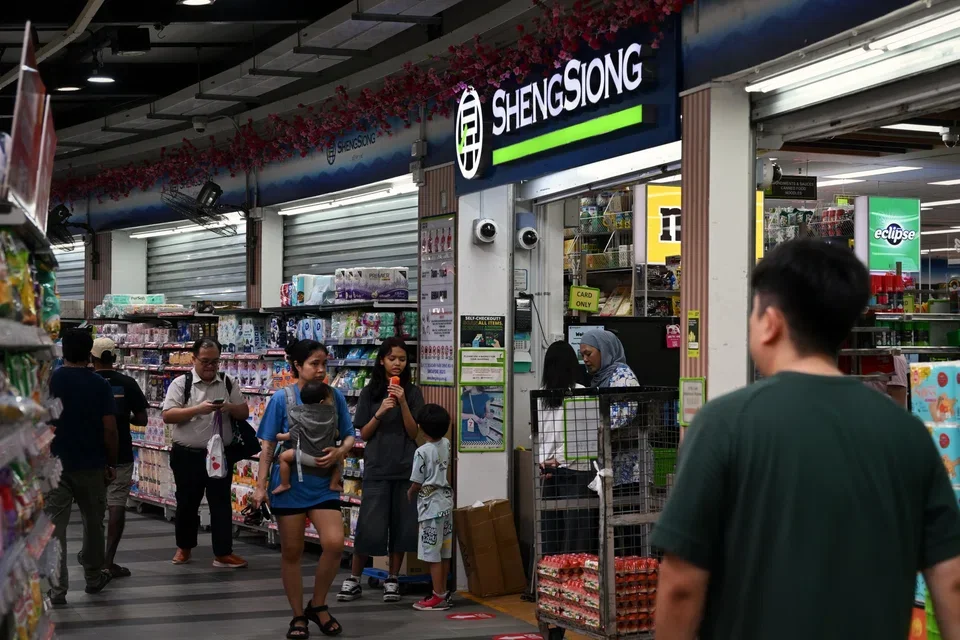
Growth from stores and existing outlets
Revenue of S$441.5 million compared with S$415.5 million in the year-ago quarter. The difference tracks the company’s stated growth drivers: more locations, more retail area and an improvement in comparable sales. Sheng Siong’s store count in China remained unchanged at six, leaving Singapore as the source of the reported increase in its store network.
The expansion figures provide useful scale for the sales result. The company added eight Singapore stores year on year, while its retail area increased by 76,127 square feet. Those figures show a broader operating base, though the reported information does not break out how much revenue came from new outlets versus existing stores. The improvement in same-store sales indicates that growth was not attributed solely to opening locations.

Profit rose more slowly than revenue: the S$44.6 million result was up from S$43.7 million, while revenue grew by 6.2 per cent. Earnings per share increased 1.7 per cent to S$0.0296, from S$0.0291. Taken together, the figures show continued growth, but with a smaller increase in profit than in sales. The disclosed figures do not provide a breakdown of all costs or explain the gap between revenue and profit growth.
Costs and competition shape the outlook
Staff costs were S$71.6 million in the quarter, up from S$65.5 million a year earlier. Sheng Siong cited wage increases under the Progressive Wage Model and recent National Wage Council guidelines for 2026-2027 among the cost pressures it is watching. The company also said it raised retail workers’ salaries in September last year to meet the retail sector’s Progressive Wage Model requirements.

The increase in staff costs is a material counterpoint to the sales growth. The figures show an increase of S$6.1 million year on year, while the available information does not specify how much of that change came from wage rates, staffing levels or other factors. For a retailer expanding its footprint, wages can affect both existing outlets and the cost of operating new ones. The quarter’s figures do not establish how those costs will develop in later periods.

Management also pointed to sustained promotions as a risk to revenue and margins. Promotions can help retailers compete for grocery spending, but their effect depends on the balance between sales volume and the prices customers pay. Sheng Siong did not quantify the impact of promotions in the quarter, so their contribution to sales or pressure on margins cannot be separated from the reported results.
A further competitive factor may emerge when the Johor Bahru-Singapore Rapid Transit System Link is expected to open in February 2027. Sheng Siong said the link may increase cross-border shopping and price competition for selected packaged groceries and household products. The effect remains uncertain: the company said it would adjust its approach as developments unfold, without specifying the measures or estimating a financial impact.
Expansion remains part of the plan
Group CEO Lim Hock Chee said the company would continue to prioritise expansion in areas where it has limited presence, with the aim of extending its reach to customers. That focus aligns with the year-on-year increase in Singapore stores and retail area. Future growth will depend on whether new outlets and existing stores can support revenue while the company manages wages, promotions and possible changes in cross-border shopping.
Sheng Siong shares closed Thursday at S$2.80, down 1.4 per cent, or S$0.04, before the results were released. The share-price move therefore preceded the reported figures. The company’s next results will help show whether store expansion and same-store sales can continue to support growth as operating costs and competitive pressures develop.


