Nvidia’s Megaspeed Checks Put Chip Diversion Risks in Focus
Jensen Huang says Nvidia reviewed Megaspeed’s GPU deployments as scrutiny of possible chip diversion to China intensifies.
Nvidia chief executive Jensen Huang says the company checked Megaspeed International’s use of its artificial intelligence processors after reports that an executive at the Singapore firm was under scrutiny over alleged spying for China. The review matters because China is barred from buying Nvidia’s most powerful chips under US export restrictions, while reports have raised questions about whether processors shipped elsewhere could be diverted there.

Huang described Nvidia’s dealings with Megaspeed as “normal and not unusual.” In an interview on Thursday, Oct 29, he said the company had examined the firm’s deployments and counted each of its graphics processing units, or GPUs. “We’ve studied all their deployments of our GPUs and counted every one,” he said. “And I think the US government also has as well.”

He said Nvidia had checked that Megaspeed did not illegally send its AI processors to China. Huang also said he had not been told by the US government about suspicions concerning Huang Le, the Megaspeed executive named in the report. She is no longer with the company, he said.
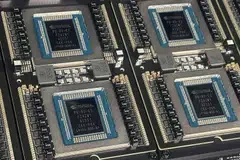
What Nvidia says it reviewed
The reported inquiry concerns allegations that Huang Le provided information to China. The New York Times reported that she may have been acting on China’s behalf in an effort to evade restrictions on chip exports. The article did not establish those allegations as fact; Huang’s remarks addressed Nvidia’s contact with Megaspeed and the company’s checks on GPU deployments.

Huang said his interactions with Huang Le were typical of his dealings with Chinese customers and executives, and related to Megaspeed. His account places the company’s response on the question of where its chips were deployed. Counting installations can help a supplier track equipment after sale, but the comments do not describe what methods Nvidia used, how often it conducted checks, or what the review found beyond Huang’s assurance that it had counted the GPUs.

That distinction is relevant for a business whose products are subject to destination restrictions. A chip’s initial customer and stated destination may not, by themselves, settle where it ultimately operates. The reported concern in this case is whether processors intended for data centres outside China could be redirected. The source account does not provide the number of Megaspeed deployments, the quantity of chips involved, or evidence that any chips were diverted.

Export limits narrow Nvidia’s China business
Restrictions on sales of Nvidia’s most powerful AI chips have cut the company off from China, described in the source report as the largest market for chips. Nvidia has received some latitude to ship a limited amount of older AI-related products to the country, but that permission has not produced a material volume of shipments. The report says that China has also sought to limit deliveries as it works to develop its domestic chip industry.

For Nvidia, the commercial effect is twofold. The limits constrain direct sales of high-performance products into a major market, while efforts to prevent diversion put added attention on customers and deployments outside China. The source does not quantify the revenue Nvidia has lost or the potential sales represented by the older products. Those figures would be needed to measure the financial effect more precisely.

The company has said that smuggling of its top products is an insignificant issue. Yet the reported cases and inquiries show why the route from order to end use remains a point of scrutiny. Megaspeed is among a group of firms that Bloomberg News and other outlets have reported may have attempted to redirect chips intended for data centres outside China. That reporting describes possible activity; it does not establish that Megaspeed diverted Nvidia products.

What the case leaves open
Huang’s comments offer Nvidia’s account of its relationship with Megaspeed and its checks on GPU deployments. They do not resolve the reported allegations about Huang Le, establish whether any restricted chips reached China through Megaspeed, or detail what information was available to Nvidia when it conducted its review. The company’s statement that its dealings were proper is therefore distinct from the outstanding questions described in the report.

For customers, suppliers and investors following the chip trade, the practical issue is whether companies can keep track of advanced processors after delivery as restrictions limit direct sales. More detail about the scope of Nvidia’s review, the destinations it covered and any findings about Megaspeed’s deployments would clarify how much the company knew and what controls it applied. For now, Huang’s central claim is that Nvidia counted Megaspeed’s GPU installations and found its interactions with the firm ordinary; the reported inquiry leaves the alleged conduct unresolved.


