Bloomsbury Bets on Harry Potter and Sarah J. Maas to Lift Second-Half Profit
First-half revenue and pre-tax profit fell, but Bloomsbury expects major book releases and a Harry Potter television adaptation to drive a record year.
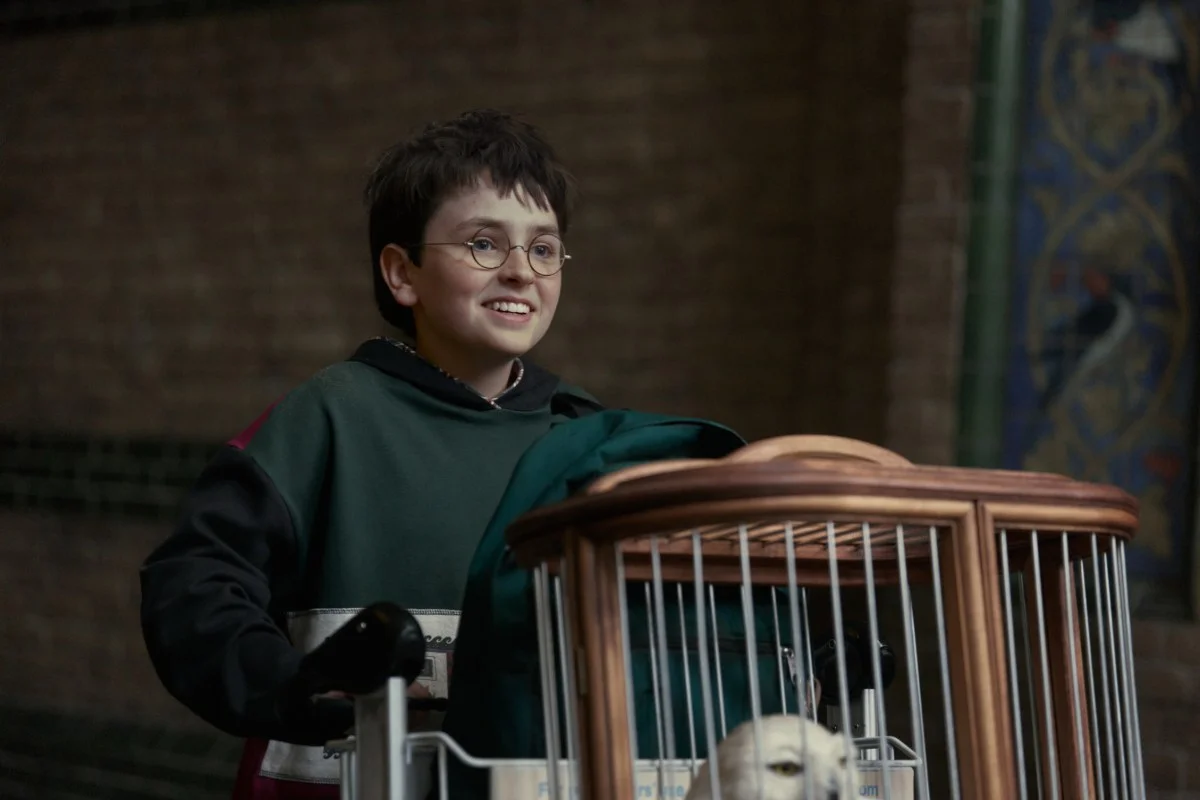
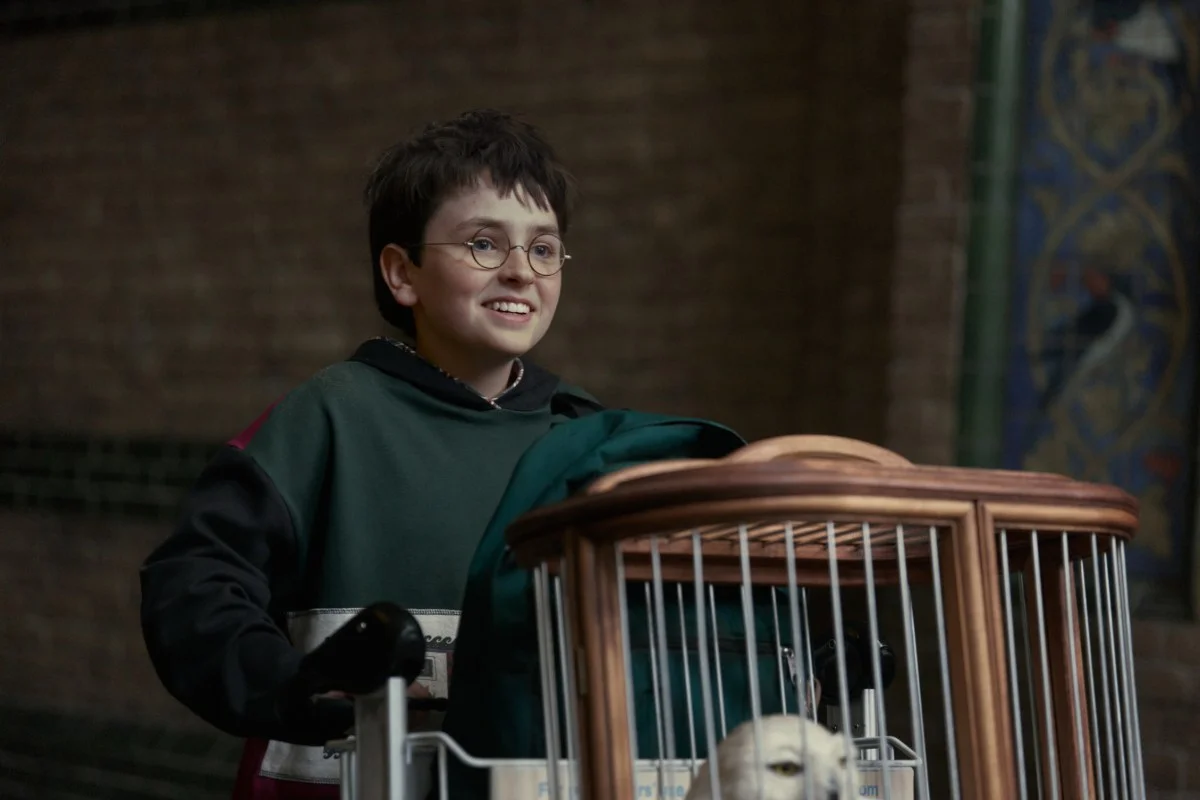
Bloomsbury’s first-half figures have weakened, but the publisher is looking to a back-loaded release schedule to deliver a record year. Its plan depends on a stronger second half, with new books from Sarah J. Maas and renewed attention to Harry Potter tied to an HBO television adaptation due on Christmas Day.
The financial contrast is sharp. Revenue for the first half fell five per cent to £152m, while pre-tax profit dropped from £18m to £9m. Bloomsbury’s shares fell as much as eight per cent on Thursday morning, reaching 616p. Those results put the timing of the company’s expected sales recovery in focus: it says most of its profit will come in the second half.
The FTSE 250 publisher says it remains on track to meet market expectations of adjusted profit of £49.9m and revenue of £354m. Those figures make the rest of the financial year decisive. Bloomsbury needs its upcoming releases and continuing business activity to support a sizeable improvement from the first-half outcome.
Founder and executive chairman Nigel Newton argued that the half-year dip says little about the company’s full-year prospects. He described the figures as “entirely immaterial” to Bloomsbury’s overall health, saying that the calendar placement of bestsellers can shift sales and profit between reporting periods. “Precisely when you schedule your big bestsellers and other releases determines whether that money goes in the first half or the second half,” he said. The test of that view will be whether the expected second-half contribution arrives at the scale needed to meet the full-year forecast.
Harry Potter returns to the seasonal spotlight
Bloomsbury is counting on renewed interest in Harry Potter when HBO releases the first episode of its new television adaptation on 25 December. Newton, who signed author JK Rowling in 1996, described the timing as an “incredible masterstroke” and said it “will turn this Christmas into the Harry Potter Christmas”. That is his expectation for the show’s cultural and commercial reach, rather than a result the company has already demonstrated.
The publisher has a book product ready to connect with that attention: a new tie-in edition of Harry Potter and the Philosopher’s Stone, the first novel in the series. Several major supermarkets have already ordered the edition, the company said in its interim results. Newton expects the book to become a “huge bestseller” before the programme’s release.
The timing could help bring new readers to the original story while giving existing fans a reason to buy a fresh edition. But orders from supermarkets are an early indicator of planned distribution, not a final measure of sales to readers. The commercial effect will depend on how strongly the adaptation draws attention to the books and how that interest translates into purchases during the key holiday period.
Two Sarah J. Maas novels add another sales catalyst
Harry Potter is only one part of Bloomsbury’s second-half case. The publisher plans to release two new novels by Sarah J. Maas, whose books have sold more than 75m copies worldwide, in October and January. The schedule places releases from a major author across two reporting periods, giving Bloomsbury another source of potential sales beyond the television tie-in.
Newton pointed to the response to Maas’s previous book, published in 2024, when he said she was the world’s biggest-selling author. He suggested her next releases could attract similar attention and added that her fan base has grown since then. That growth supports the company’s confidence, although the reception and sales of new books are not assured by earlier success. The two publication dates also mean the contribution will be spread across the second half and the start of the next financial year.
Other divisions and leadership plans
Newton said confidence also rests on “the robust profit of other parts” of Bloomsbury, including its academic digital resources business. That division matters to the company’s account of its performance because it can provide earnings beyond consumer book launches. The source figures don’t break out its contribution, so the scale of that support cannot be measured from the first-half totals provided.
The company is also preparing for a change in leadership. Newton has set out a gradual retirement plan: Bloomsbury expects to appoint a new chief executive in two years, and Newton plans to become non-executive chairman three years into that person’s tenure. He said making the timetable public addresses uncertainty about succession, while allowing the transition to unfold over time.
Newton described Bloomsbury as “a slow company” that acts “slowly and deliberately”. That approach shapes the transition he has outlined, while the near-term financial story turns on a faster-moving question: whether the scheduled books, holiday attention around Harry Potter and contributions from the wider business can lift second-half performance enough to deliver the projected record year.


