IDBI Bank Stake Sale Sets Up Fairfax Deal, With Valuation and Residual Stakes in Focus
A 60.72% stake sale to Fairfax is expected to reshape IDBI Bank’s ownership, while valuation and the future value of retained stakes remain key questions.
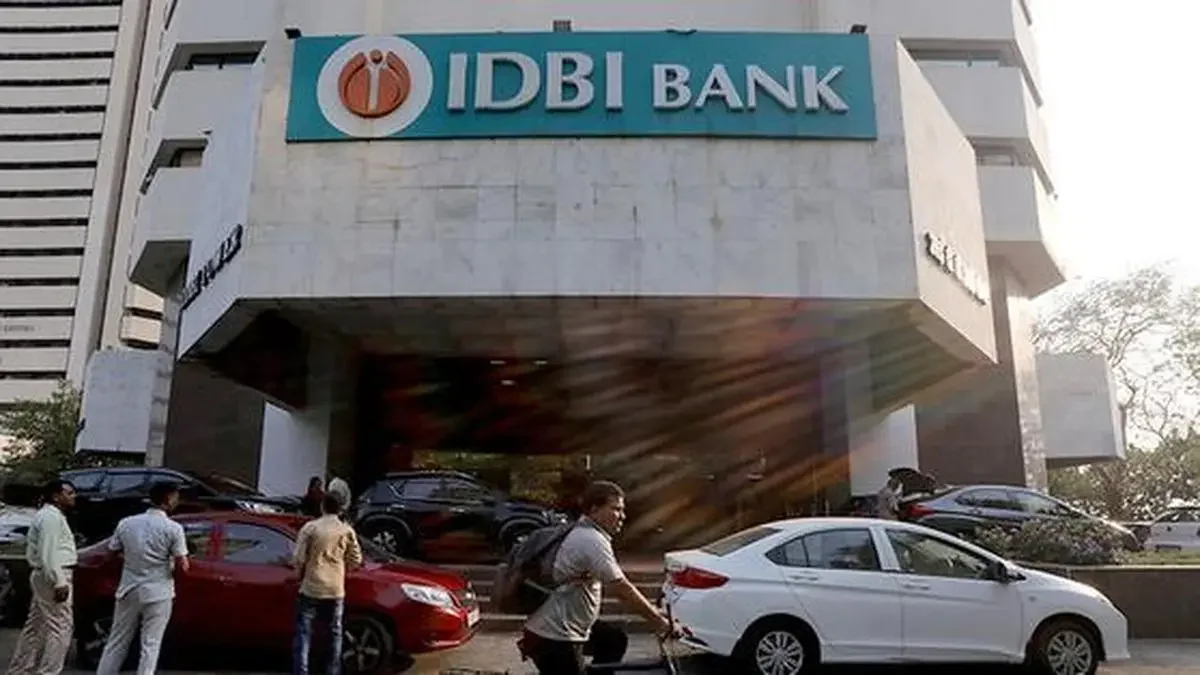
IDBI Bank’s proposed change in control would leave the public sector with minority holdings while placing a 60.72 per cent stake with Canada-based Fairfax Financial Holdings Ltd. Finance Minister Nirmala Sitharaman says the bank is ready for its next phase of growth after a restructuring that included more than Rs 25,000 crores in recapitalisation. The transaction’s value, the terms for the remaining shareholders and the bank’s performance after the change are central to what comes next.
The Cabinet Committee on Economic Affairs approved the stake sale on October 14. The winning bid was ₹81 per share. The government plans to sell 30.48 per cent of IDBI Bank and is expected to receive over ₹26500 crore. Life Insurance Corporation (LIC) plans to sell 30.24 per cent, with proceeds likely to exceed ₹26,300 crore. Completion is expected by the end of the fiscal year.
A new ownership structure
After the transaction, the government is expected to retain 15 per cent of the bank and LIC 19 per cent. Neither is expected to have a seat on IDBI Bank’s board, and neither will have contingent liability, the Finance Ministry said. LIC will also have to dilute 4 per cent of its stake within two years to retain ownership of LIC Housing Finance.
The retained holdings leave both institutions exposed to any increase in the bank’s value after the restructuring, while reducing their ownership and board involvement. The Finance Ministry has said the residual stakes could benefit from value enhancement in the future. That outcome depends on the bank’s performance; the statement describes an expected upside, not a guaranteed return.
For IDBI Bank, the change would put a majority stake in the hands of Fairfax while leaving LIC and the government with substantial minority positions. The article does not give details on Fairfax’s plans for the bank or describe how its operating strategy might change. Those questions matter to employees, customers and borrowers, as well as to the institutions retaining shares.
Arguments over the bank’s past and future
Sitharaman said the bank had been in poor condition when it was handed over to the current administration, citing lending to large business groups including Videocon, Winsome, ABG Shipyard and Kingfisher. She said those loans became bad loans and caused major losses. Her account links the earlier deterioration to lending decisions and frames recapitalisation and restructuring as steps toward recovery.
Rahul Gandhi, in a letter to IDBI Bank employees, said he stood with them and argued that a promise made to Parliament in 2003 to retain at least 51 per cent ownership should be honoured. He also argued that public sector banks serve a broader national purpose alongside private banks. The exchange puts the transaction in the context of a continuing debate about the role of state-owned lenders and the ownership of financial institutions.
Sitharaman responded that the bank had been revived through professionalism, prudence and recapitalisation of more than Rs 25,000 crores. She said all due processes had been followed in the strategic restructuring. Those claims describe the rationale for the sale; the available details do not provide performance measures that would show how the recapitalisation has changed the bank’s financial position over time.
Valuation remains a point of scrutiny
Questions have been raised about the valuation, including the value of the land parcels held by IDBI Bank. The Finance Ministry said two advisers conducted valuations independently, using distinct methodologies. It added that, because suitable comparable transactions were unavailable, the advisers used a comparable companies method based on listed public sector banks.
That method uses market valuations of selected companies to inform an estimate when directly comparable transactions cannot be found. The explanation sets out the approach, but the source does not provide the advisers’ individual valuations, the assumptions applied, or a breakdown of how the bank’s land assets were treated. Those details would help readers assess how the ₹81 per-share bid relates to the bank’s assets and future earnings potential.
The transaction therefore brings two questions into focus: whether the restructuring can support sustained growth at IDBI Bank, and how much value the remaining stakes may retain or gain after the sale. The deal is expected to close by the end of the fiscal year; its effects on the bank’s ownership, operations and valuation will become clearer as the transaction progresses and the new structure takes shape.


