India’s Social Security Board to Shape Welfare Schemes for Gig Workers
A new national board will recommend and monitor welfare schemes for gig, platform and other unorganised workers, with at least three meetings each year.
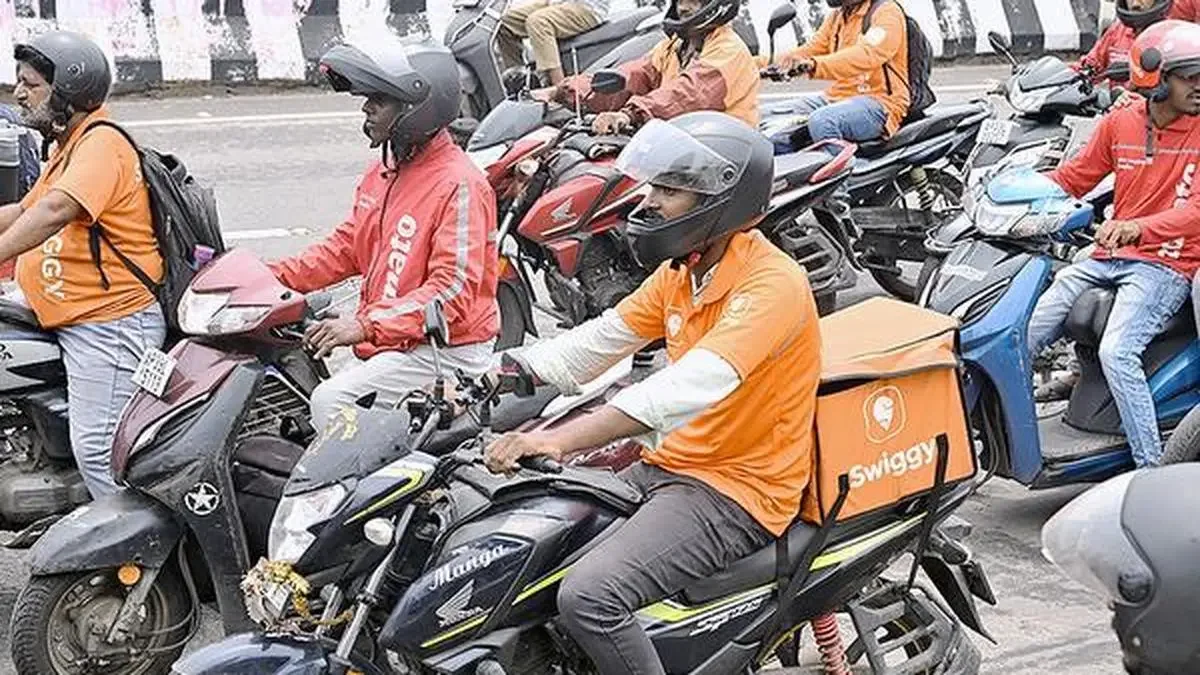
The new National Social Security Board for Unorganised Workers and Gig & Platform Workers gives India’s informal workforce a dedicated body to recommend and monitor welfare schemes. Its remit spans gig and platform workers as well as traditional unorganised workers, putting several forms of work under one social security framework.
The Ministry of Labour & Employment has notified the Board’s constitution under the Code on Social Security. The Board is tasked with recommending suitable schemes for different sections of workers and monitoring social welfare schemes administered by the Central government. Those responsibilities make its recommendations and oversight central to how the framework may address gaps in social protection.
Who falls within the Board’s remit
The source defines gig workers by their work arrangement: they perform work or take part in an arrangement and earn from it outside the traditional employer-employee relationship. Platform workers are defined by how they access or carry out work: they engage through or with online platforms. The categories may overlap, but the definitions describe different features of work—one concerns the employment relationship, the other the role of a platform.
That distinction matters for designing welfare schemes. Workers grouped under the broad heading of informal work may not share the same working arrangements. A scheme intended for a particular section therefore needs to account for the differences between work outside a conventional employment relationship and work connected to an online platform. The Board’s mandate to recommend schemes for different sections gives it scope to consider those distinctions, though the source does not specify what benefits or eligibility rules any scheme will include.
The Board also covers traditional unorganised workers. Its remit is not limited to work mediated by digital platforms, even though gig and platform workers are expressly included. The wider scope may allow recommendations to address different groups within the same social security framework; how those recommendations will be tailored remains to be set out through the schemes themselves.
A body with mixed representation
The Board will be chaired by the Union Minister for Labour & Employment. Its membership will include representatives of the Central and state governments, aggregator companies, employers, civil society organisations, workers’ unions and associations of gig and platform workers. The membership therefore brings together groups with different roles in the work arrangements covered by the Board.
For workers, representation by unions and worker associations creates a place for their organisations within the body’s structure. Aggregators and employers are also represented, alongside public and civil society participants. The source does not give the number of seats for each group, explain how representatives will be selected, or describe how the Board will resolve competing views. Those details will affect how its broad membership operates in practice.
Recommendations, monitoring and review
The Board is expected to recommend suitable schemes for different sections of unorganised, gig and platform workers. It will also advise the Central government on matters arising from administration of the Code that are referred to it, and monitor social welfare schemes for these groups that are administered centrally. This combines a role in shaping proposed support with a continuing role in reviewing schemes after they are in operation.
Its oversight also extends to administrative records maintained at the state level and to expenditure from the fund and account. These review duties connect scheme design with implementation: recommendations alone do not show whether a programme is being recorded or how its funds are being spent. The source does not specify the information the Board will receive, the form of its reviews, or what action may follow from its findings.
The Board must meet at least thrice a year and follow the rules of procedure prescribed for the transaction of business at its meetings. That minimum sets a regular meeting cadence, while leaving room for additional meetings. The source does not state when the first meeting will take place or identify an initial schedule of work.
The Central government may also assign other functions to the Board. That provision leaves its responsibilities open to further assignments over time, alongside the duties already described. The practical test will be how the Board turns its wide remit into recommendations that reflect differences among workers and how consistently it monitors schemes, records and spending. The notification establishes the institutional structure; the source provides no details yet on specific benefits, funding amounts or scheme launch dates.


