Sembcorp and DayOne Explore Power Solutions for Asia Data Centres
The pact will assess power generation, renewable supply and infrastructure, building on DayOne’s existing projects in Singapore, Malaysia and Thailand.
Securing power early is becoming a central part of data centre development, and Sembcorp Utilities and DayOne Data Centers are exploring a regional approach. Their memorandum of understanding covers potential power and energy solutions for data centres across Asia, including on-site generation, renewable supply, infrastructure and operating services.

The companies plan to assess the feasibility, business case and possible implementation routes for solutions linked to projects they agree to examine. The pact sets out areas for evaluation; it does not specify project locations, capacity, spending or a timetable for implementation.
Power planning moves earlier in development
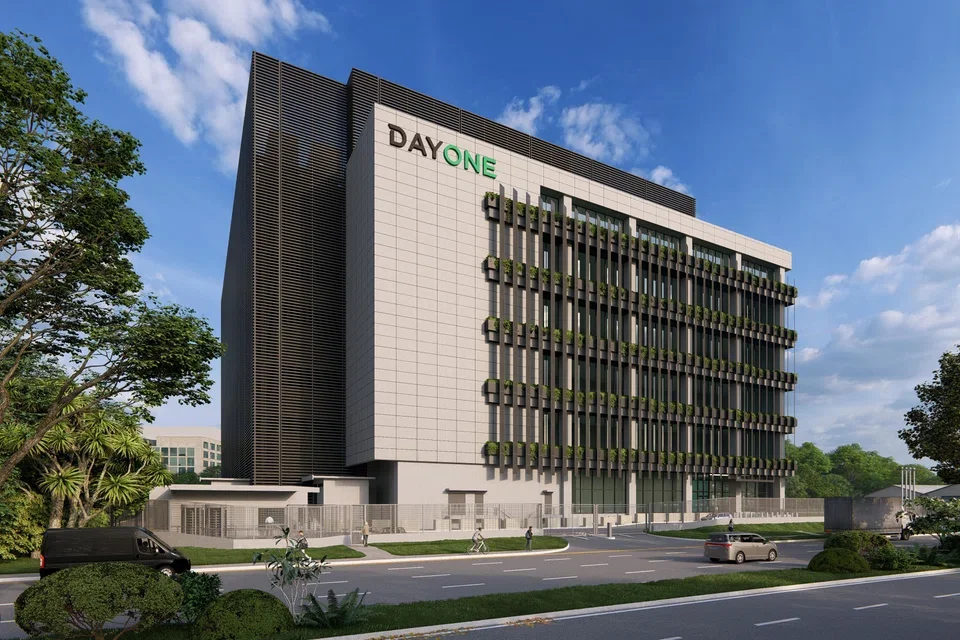
DayOne’s Bring Your Own Power initiative incorporates energy planning at the early stages of data centre development. The company says this approach is intended to identify and secure suitable power options, reduce execution risk and address constraints in markets where available electricity may limit development.

That timing matters because a data centre’s power needs shape decisions about its supporting infrastructure and operations. Evaluating generation, electrical systems, fuel supply and storage alongside renewable sources can help developers understand how different components might fit together. The pact also includes technical, operational and maintenance services, extending the scope beyond the supply of electricity itself.

Sembcorp’s Koh Chiap Khiong, president and CEO of its gas and related services business, linked the work to demand from artificial intelligence and digital infrastructure. “Powering AI (artificial intelligence) requires energy infrastructure to grow alongside digital infrastructure,” he said. The companies aim to explore energy foundations that could support that growth across the region.

For data centre operators, the commercial question is whether a proposed energy arrangement can meet a facility’s requirements while remaining feasible to build and operate. For energy suppliers, these projects may involve coordinating generation, electrical infrastructure and service arrangements around a customer’s development plans. The memorandum provides a basis for evaluating those issues, but the companies have not disclosed the results of any feasibility work.

Existing arrangements provide a starting point
The two companies already have a power purchase agreement for DayOne’s upcoming SG1 data centre in Singapore. Under that arrangement, the facility’s operations will be fully covered by renewable energy. The new framework could widen the scope of their work, although the companies have not said that it will lead to a particular project or extend the Singapore arrangement to other sites.

DayOne has also described renewable energy activity elsewhere in its regional footprint. In Malaysia, it announced supply agreements in June covering about 1.5 gigawatt (GW) of peak solar capacity and 2.2 GW-hours of battery energy storage under the country’s Corporate Renewable Energy Supply Scheme. In Thailand, it entered into a power purchase agreement to supply renewable energy to its Chonburi Tech Park data centre campus.

These arrangements indicate that DayOne is pursuing different ways to secure energy across its markets. The announced figures describe the capacity and storage covered by the Malaysian agreements; they do not establish the amount of electricity that will be delivered to any specific facility. The Thailand agreement, meanwhile, relates to the Chonburi campus. The Sembcorp memorandum provides a broader setting in which the companies can consider potential solutions for agreed projects.

Feasibility remains the key next step
DayOne chief executive Jamie Khoo said the company seeks to secure power, land, water and connectivity early in project planning. Those resources can influence whether a data centre can proceed on its intended schedule and how it is designed. Bringing them into early planning can help a developer identify constraints sooner, but it does not remove the need to establish that each proposed solution is technically and commercially workable.

DayOne has set a target of using 100 per cent renewable energy by 2030. The Sembcorp collaboration sits alongside the company’s existing energy initiatives, but the announcement does not quantify how much the explored solutions could contribute to that target or specify how progress will be measured.

The next useful markers will be whether the companies identify projects for joint assessment, what energy configurations they consider, and whether feasibility work leads to defined implementation plans. Until those details emerge, the pact signals a shared interest in connecting data centre development with power planning, while leaving the scale, economics and timing of any additional commitments open.