Oil Climbs as Renewed US-Iran Tensions Add to Tight Supply Risks
Brent rose to a six-month high in October as renewed tensions, low inventories and constrained refined-product supplies kept the oil market on edge.
Oil prices are being pulled higher by two pressures at once: a renewed risk to Middle East supply routes and a market already short on inventory. Brent has gained 13 per cent in October and reached a six-month high, even as flows through the Strait of Hormuz revived. The latest signs of possible US action against Iran have put the security of those flows back in focus.

Brent’s December futures, due to expire on Friday, Oct 30, climbed towards US$117 a barrel. The more actively traded January contract stood above US$112. The gap between the expiring contract and the next month’s benchmark puts attention on near-term availability, while the broader October advance reflects how quickly geopolitical risk can feed into prices when supply buffers are thin.

Supply constraints amplify the risk premium
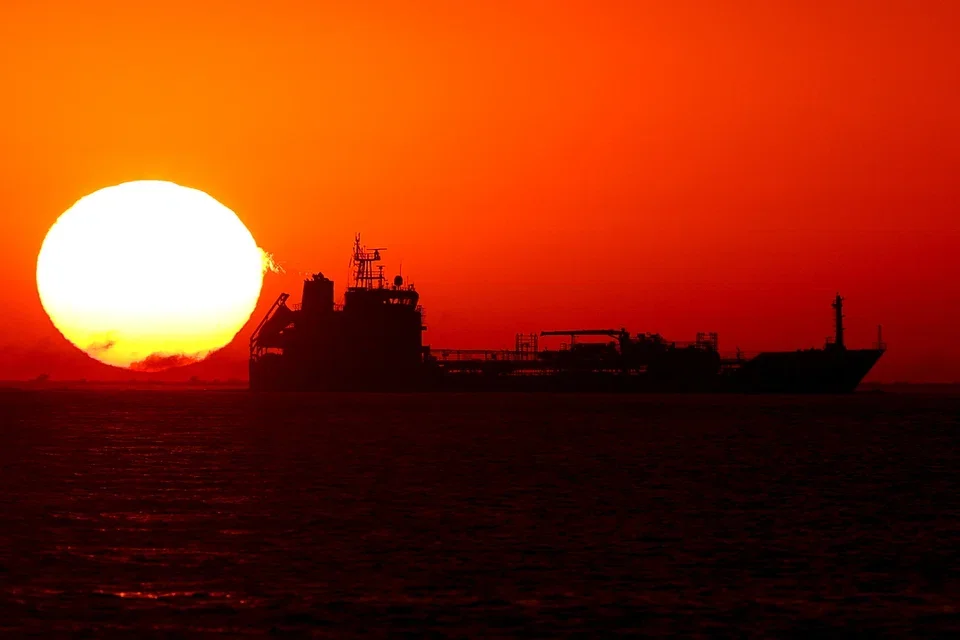
The price rise comes despite a recovery in shipments through Hormuz. Producers have continued to move cargoes through the strait, though elevated risks to shipping remain. That combination matters: resumed flows ease immediate supply concerns, but they do not remove the possibility of disruption. A tanker was struck by an unknown projectile while completing an outbound transit on Thursday, according to UK Maritime Trade Operations.

Inventories are low, and refined-product supplies are tight. The source report links some of that pressure to waves of Ukrainian attacks on Russian processing facilities. When crude and fuel stocks are already limited, an interruption to shipping or processing can have a larger effect on available supplies than it would in a better-stocked market.
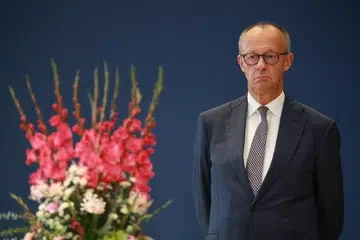
Naohiro Niimura, a partner at Market Risk Advisory, said traders would struggle to maintain positions betting on lower crude prices for long unless the US and Iran formally agreed to a ceasefire, even if physical flows recovered. His point highlights the distinction between barrels moving today and confidence that they will keep moving: market participants may remain wary while the political and security outlook is unsettled.

Diplomatic contacts have not settled the outlook
The Wall Street Journal reported that a top US commander briefed President Donald Trump on military options on Thursday, Oct 29. Trump has repeatedly signalled that airstrikes against Tehran could resume after next week’s midterm elections. The possibility of renewed action has therefore become a near-term variable for oil traders, alongside actual shipping volumes and inventory levels.

Iranian Parliament Speaker Mohammad Bagher Ghalibaf, one of the country’s leading negotiators, said Iran’s position on ending the war would not be compromised. Tehran confirmed that officials had received a letter from US Vice-President JD Vance; the Journal reported that the letter was intended to revive peace negotiations. Those contacts show that communication is continuing, but the statements reported so far offer no confirmation of an agreed ceasefire.
Oil markets are sensitive to that gap between contact and resolution. A diplomatic exchange can keep the prospect of talks alive without guaranteeing a change in the conditions affecting supply. For buyers of crude and refined fuels, uncertainty around the route and continuity of shipments can matter even when current cargoes are still reaching their destinations.
Other developments leave prices exposed
Outside the Middle East, Ukraine’s military has paused strikes against Russian oil refineries after pressure from Trump, the Journal reported, citing people familiar with the operations. The unofficial pause began early last week and was expected to last until after the US midterms, with the possibility of extending further into November. If attacks on processing sites remain paused, that could ease one source of pressure on refined-product supply; the report does not establish how long the pause will last.
Rising fuel costs have also become a point of concern in the United States. Average diesel prices had risen almost 80 per cent in 2026 so far and reached a record in September. ANZ Group strategists Daniel Hynes and Soni Kumari described the US midterms as the next major geopolitical catalyst for oil, saying the prospect of renewed hostilities afterward had added uncertainty to an already fragile physical market.
In another sign of heightened concern around the region, ExxonMobil and Chevron cancelled plans to attend the ADIPEC oil conference in Abu Dhabi in November. Their decision reflects how security concerns are affecting companies’ participation in industry events, even as they continue to operate in a market shaped by tight supply and volatile risk assessments.
Company results meet a depleted market
ExxonMobil and Chevron were due to report results later on Friday, as the latest wave of oil major results approached its close. Shell chief executive Wael Sawan said on Thursday that current oil prices no longer appeared temporary because global inventories were so depleted. That assessment puts the October rally in context: the risk premium is being added to a market with limited stock available to cushion disruptions.
The next signals for prices will come from whether Hormuz shipments remain steady, whether the reported refinery pause continues, and whether US-Iran contacts produce a formal ceasefire. For now, recovering flows have not been enough to offset low inventories, tight fuel supplies and the possibility of renewed hostilities.


