Hong Kong Student Housing Draws Capital as Demand Outpaces Supply
A projected student bed shortfall near 150,000 by 2030 is drawing investors into Hong Kong accommodation, with demand tied to rising non-local enrolment.
Hong Kong’s student housing market is attracting substantial capital as universities take in more students from outside the city and existing dormitories struggle to keep pace. Analysts project a shortfall of close to 150,000 beds by 2030. The scale of that gap is shaping a new property investment thesis, though the pace of development and continued student demand will determine how much of it investors can capture.

Non-local enrolment reached a new high as the academic year began in September. Observers attribute much of the increase to students from mainland China choosing universities closer to home amid geopolitical tensions and tighter immigration rules in some Western destinations. Hong Kong’s appeal also reflects its position within the Asia-Pacific region and its links to mainland cities.
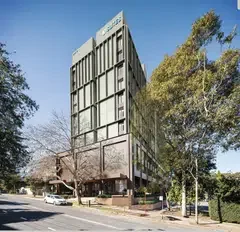
For Centaline Investment chief executive Kavis Ip, the supply gap is already large and demand is still growing. Her firm, the real estate investment and asset management arm of Centaline Group, is redeveloping the former Regal Oriental Hotel in Kowloon into what is expected to be the city’s largest student housing project, with about 1,500 beds when complete.
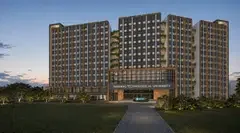
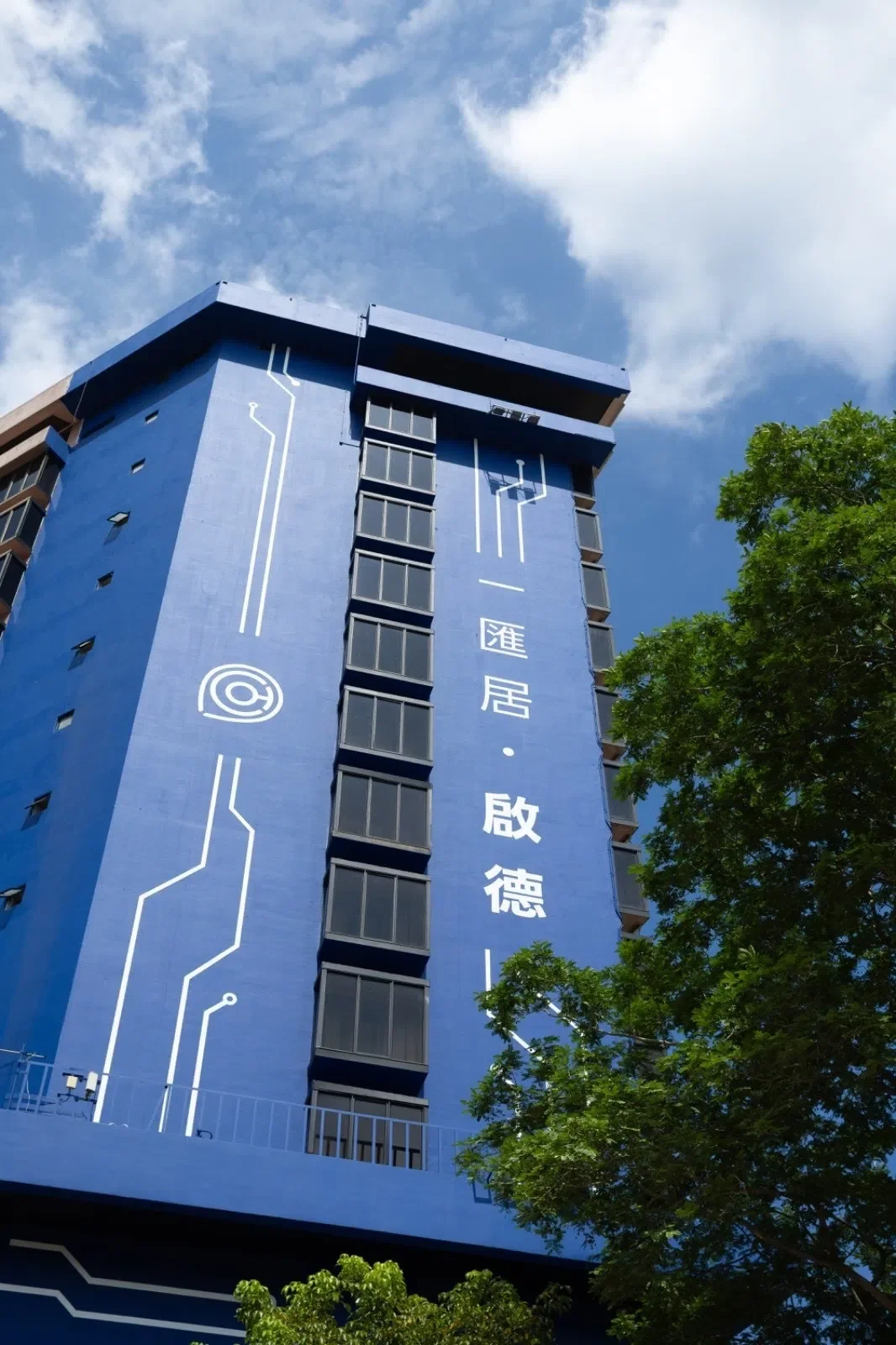
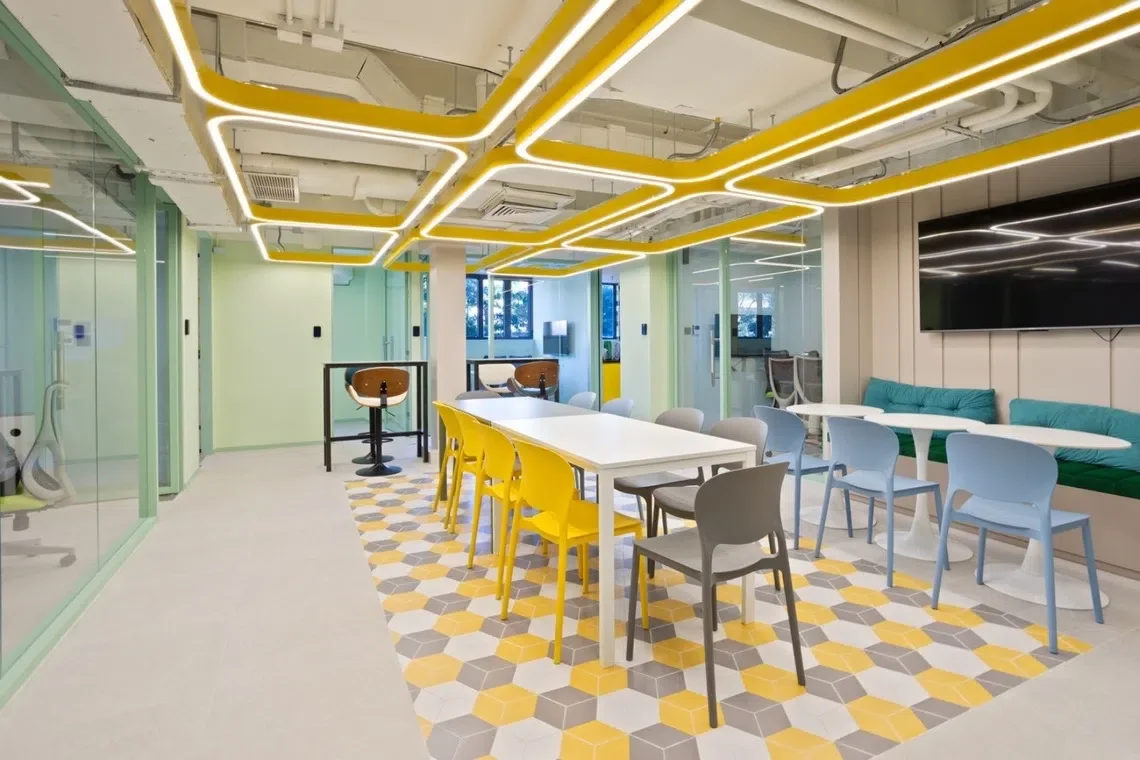
Centaline bought the hotel in April for HK$1.52 billion and plans to invest a further HK$2 billion. The first phase, renamed One Hub Kai Tak, opened in September and has already housed about 500 students. The project illustrates how hotel conversions can add beds faster than new construction, while also requiring significant upfront capital and a longer build-out to reach planned capacity.

Colliers Hong Kong head of capital markets and investment services Thomas Chak describes student housing as the city’s most sought-after asset class. He says much of the institutional capital entering the sector comes from overseas, amid changes that have made room for more non-local students. The quota for non-local undergraduates rose from 20 per cent to 50 per cent, while post-graduate programmes have no quota restriction.

A five-year economic and social development plan released in September combines land premium waivers, loans backed by public funding, institutional self-financing, bond issuance and private capital. Chak says the package has added momentum to education-related property. Lower upfront land costs can improve a project’s economics, while student accommodation is increasingly treated as an income-producing asset in its own right rather than a supporting facility for universities.

Investment figures point to a rapid shift in attention. Colliers recorded HK$11.1 billion in education-related commercial property investments during the first five months of 2026. In 2025, transactions totalled HK$4 billion, equal to 11 per cent of Hong Kong’s commercial real estate investment volume. International schools and tertiary institutions have also signed several of the city’s largest leasing deals in recent years.

Who is taking the rooms
The demand is visible at One Pace 117 in Tsim Sha Tsui, where 24-year-old master’s student Glenne Li lives a five-minute walk from Hong Kong Polytechnic University. Li, from Henan province, chose Hong Kong over Australia and the UK, citing lower costs and the roughly eight-hour high-speed rail journey to his hometown. He pays about HK$10,000 for a shared room.

Li estimates that more than 95 per cent of the building’s 122 tenants are from mainland China. Some students commute daily from Shenzhen instead of living in Hong Kong. That split matters for operators: the addressable market includes students seeking a room near campus as well as those weighing accommodation costs against a cross-border journey.

The University of Hong Kong said its applications this year came from more than 150 countries and regions, including Peru, Honduras, Luxembourg, Latvia, Georgia and Algeria. It admitted 1,600 new non-local undergraduates last year; figures for this year are due in November. Across Hong Kong, student visas reached a record 94,517 in 2025, up from 46,821 in 2022. Non-local students accounted for nearly 30,000 international school enrolments, 11 per cent more than in 2022, according to Colliers.

Converted hotels are giving some students another option alongside subdivided flats, with rooms available in different sizes. The Hostels in the City Scheme, launched in 2025, had attracted applications from about 40 venues by July this year. Thirty-eight had been confirmed, with an expected combined capacity of about 9,100 beds. That is meaningful new supply, but it remains far below the projected shortfall.
Capacity is the key constraint
Universities provide accommodation for only about 20 per cent to 25 per cent of their student population, Ip said. Their dormitories cannot house every non-local student because local students receive priority. The limited campus supply leaves private operators to meet more of the need, while also making delivery timelines and room affordability central to whether new projects find tenants.
Hong Kong’s ambitions as an education hub have yet to remove that capacity constraint. Quacquarelli Symonds ranked the city 17th in its Best Student Cities list, published in July, behind Seoul, Tokyo, Singapore and Beijing. A December 2025 report from the firm said the city’s academic ambitions were clear but capacity remained the main issue.
Centaline first identified the opportunity in 2018 but held back because property prices were high, investing in the US that year and the UK roughly a year later. Ip said the firm sold two US student housing properties during the Covid-19 pandemic, earning annualised returns of more than 15 per cent. She also cited rent collection rates as high as 98 per cent across its portfolio during the pandemic and described student housing as relatively insensitive to economic cycles.
Those figures help explain the sector’s appeal, but they reflect one company’s experience and do not settle the outlook for Hong Kong projects. The near-term test is whether new beds arrive at a pace that matches enrolment, and whether students can afford the rents operators need to support development costs. The November admission figures and the progress of confirmed hostel conversions will offer a clearer read on that balance.


