Five Long-Serving Singapore CEOs and the Business Shifts That Defined Their Tenures
From SGX’s planned succession to major shifts at UOB, SIA, Keppel and ST Engineering, five long CEO tenures reflect changing business priorities.
Singapore Exchange chief executive Loh Boon Chye’s planned transition puts succession planning in focus across the Straits Times Index. He has led SGX for more than 11 years, and discussions are under way ahead of his contract’s expiry in mid-July 2027. No departure date has been set.
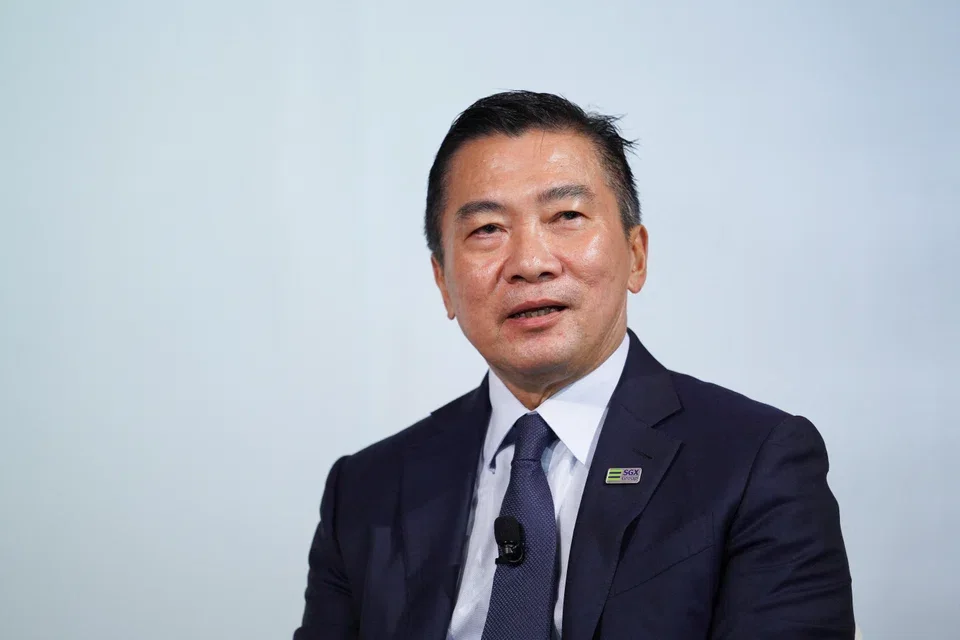
His tenure also offers a measure of how a long-serving CEO’s record can span very different business conditions: repairing confidence in trading systems, broadening revenue sources and pursuing growth as market conditions shift. Other STI leaders have overseen transformations of their own, from UOB’s regional expansion to Keppel’s move away from its former conglomerate structure.

Loh Boon Chye, Singapore Exchange
Loh, 62, took over SGX in July 2015 after senior investment banking roles at Deutsche Bank and Bank of America Merrill Lynch. The exchange was then dealing with concern over trading disruptions, following two major outages in late 2014.
During his leadership, SGX strengthened its trading infrastructure and expanded beyond its traditional securities business, building its derivatives and foreign exchange operations. The results included record earnings for FY2026: adjusted net profit rose 24.6 per cent to S$759.5 million, while net revenue increased 13.9 per cent to S$1.48 billion.
Loh’s eventual departure comes as SGX seeks to build on renewed momentum in Singapore’s equities market while widening its global reach. The transition will test how the exchange sustains those efforts after a chief executive whose tenure has covered both operational repair and business expansion.
Wee Ee Cheong, UOB
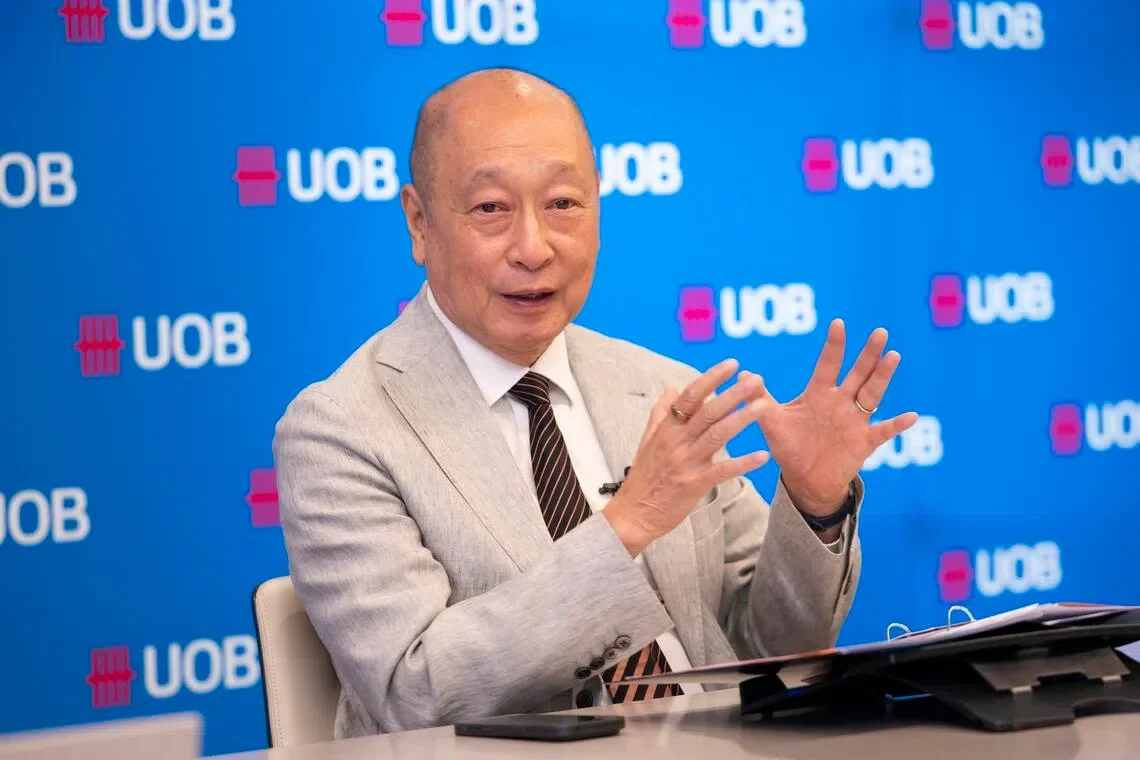
Wee, 73, became UOB chief executive on Apr 27, 2007, succeeding his father, veteran banker Wee Cho Yaw. He joined the bank in 1979 and had spent nearly three decades there before taking its top executive role. His tenure has now run for more than 19 years, the longest among the five leaders profiled here.
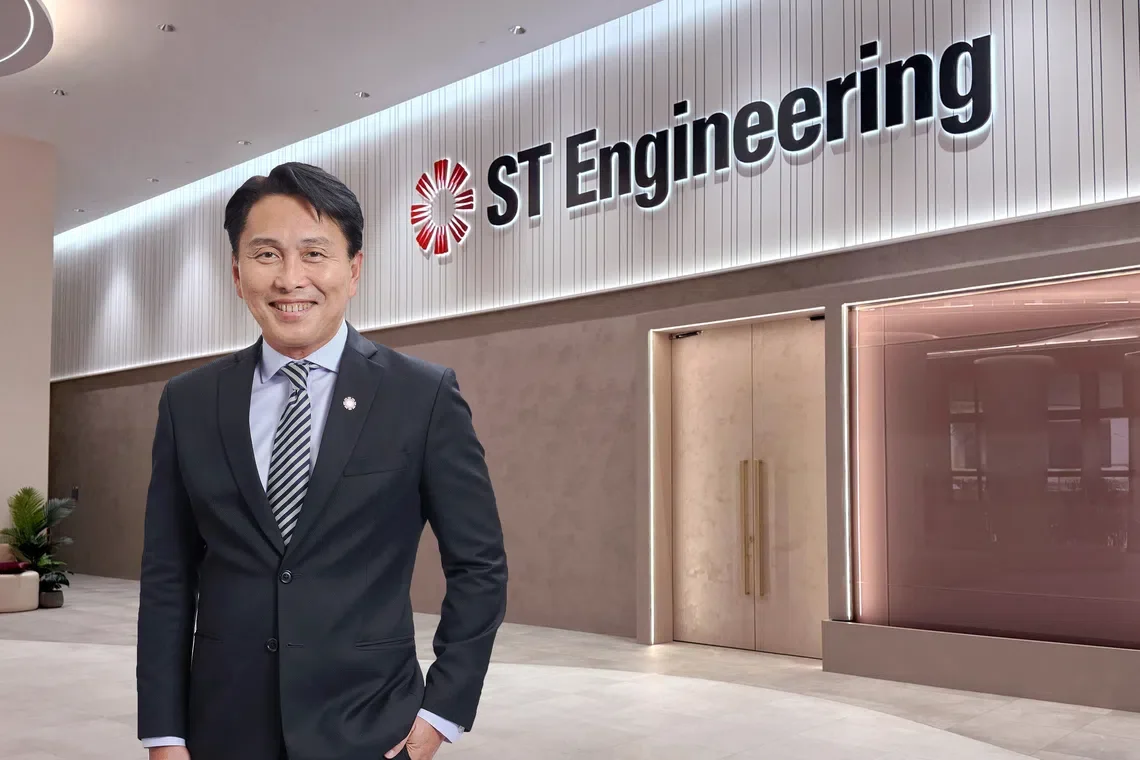
Under Wee, UOB has expanded across South-east Asia, with a particular focus on building its regional presence. A major step came in 2022, when the bank acquired Citigroup’s consumer banking businesses in Indonesia, Malaysia, Thailand and Vietnam. The deal substantially extended UOB’s retail footprint across those markets.

Wee has also overseen digital transformation and efforts to deepen the bank’s cross-border business. The scale of the regional push makes execution central to the story: integrating businesses and serving customers across multiple markets are long-term tasks, rather than gains that can be judged from a single milestone.
Goh Choon Phong, Singapore Airlines
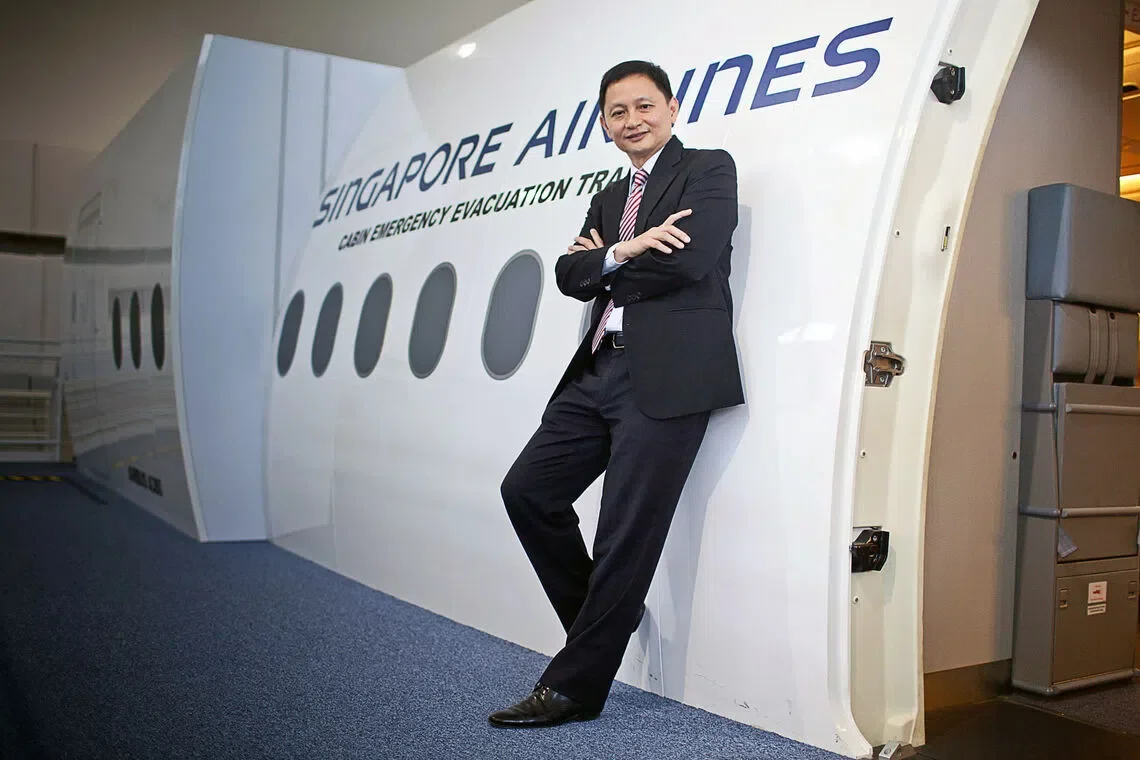
Goh, 64, became Singapore Airlines chief executive on Jan 1, 2011, after holding senior management positions at the carrier, which he joined in 1990. Nearly 16 years in the role have taken in the growth of budget travel, the Covid-19 pandemic and the subsequent recovery in international air travel.

SIA launched budget carrier Scoot in 2012 and later integrated regional airline SilkAir into its mainline operations. The group also expanded into India through its relationship with Tata Sons, which included establishing Vistara and its eventual merger with Air India in 2024.

SIA holds a 25.1 per cent stake in Air India. The investment has faced difficulty amid the Indian carrier’s continuing losses, even as Goh has described it as a long-term strategy to strengthen SIA’s presence in one of the world’s largest aviation markets. That leaves the outcome tied to the performance of a business with its own substantial turnaround challenges.
Loh Chin Hua, Keppel
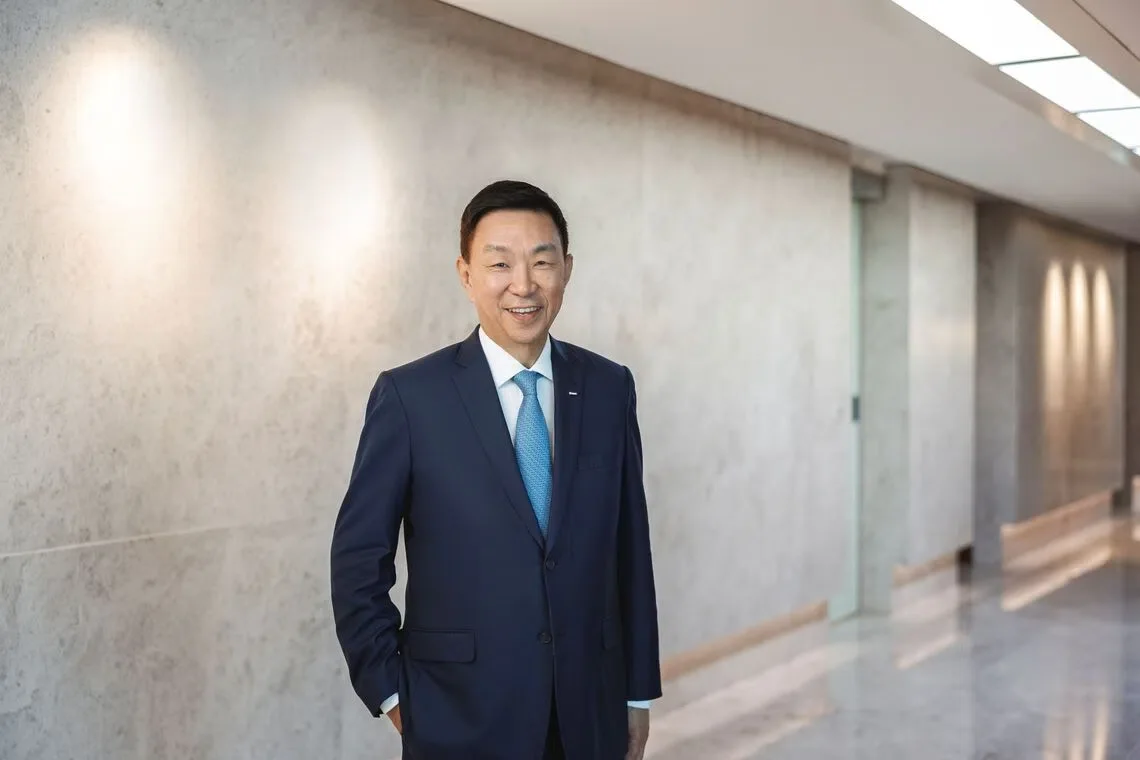
Loh, 64, became Keppel chief executive on Jan 1, 2014, after two years as group chief financial officer. He joined the company in 2002 and previously led its private fund management arm, Alpha Investment Partners.
His nearly 13 years at the helm have been marked by a broad restructuring of a group with major interests in offshore and marine engineering, property and infrastructure. In 2023, Keppel exited its offshore and marine business through its merger with Sembcorp Marine, forming what is now Seatrium.
Keppel has since been reshaped into an asset manager and operator focused on infrastructure, real estate and connectivity. The work has included asset sales, organisational changes and a greater emphasis on recurring income, as the group seeks to rely less on capital-intensive businesses. The central question is how effectively that new mix can support the company’s next stage.
Vincent Chong, ST Engineering
Chong, 57, became ST Engineering president and chief executive on Oct 1, 2016, succeeding Tan Pheng Hock. His tenure reached a decade in October. He took charge as the group sought wider international reach and greater diversity in its business mix.
Under Chong, ST Engineering streamlined its corporate structure and sharpened its focus on commercial aerospace, defence, urban solutions and public security. One of its largest deals was the US$2.68 billion purchase of US transport technology company TransCore, completed in 2022. The deal strengthened the group’s position in smart mobility and electronic tolling systems.
ST Engineering has also expanded in international defence and aircraft passenger-to-freighter conversions, while selling businesses that no longer fit its longer-term strategy. Together, the five tenures show how leadership continuity can span quite different demands: infrastructure and revenue growth at SGX, regional scale at UOB, network and airline portfolio changes at SIA, a new business model at Keppel, and portfolio focus at ST Engineering. The next test for each company is whether the structures built during these long tenures can deliver as their leaders eventually change.


