Lendlease Global Reit occupancy slips to 94.4% as PLQ Mall works continue
PLQ Mall reconfiguration weighed on occupancy, while retail rents, sales and visits grew. Debt costs eased, with leasing and refinancing benefits supporting the outlook.
Lendlease Global Commercial Reit’s committed portfolio occupancy edged down to 94.4 per cent in the first quarter ended Sep 30, from 94.6 per cent in the previous quarter. The manager attributed the decline mainly to temporary vacancies during space reconfiguration at PLQ Mall, where work covering some 16,000 sq ft remains on track for completion by end-2026.

The small portfolio-wide change masks a sharper split between the Reit’s retail and office properties. Retail occupancy eased some 0.3 per cent to 98.2 per cent, while office occupancy held at 89.1 per cent. That leaves retail space close to full, but the office portfolio continues to have more room to fill. The next occupancy figures will show whether the mall work explains the dip on its own or whether leasing conditions also affect the mix.
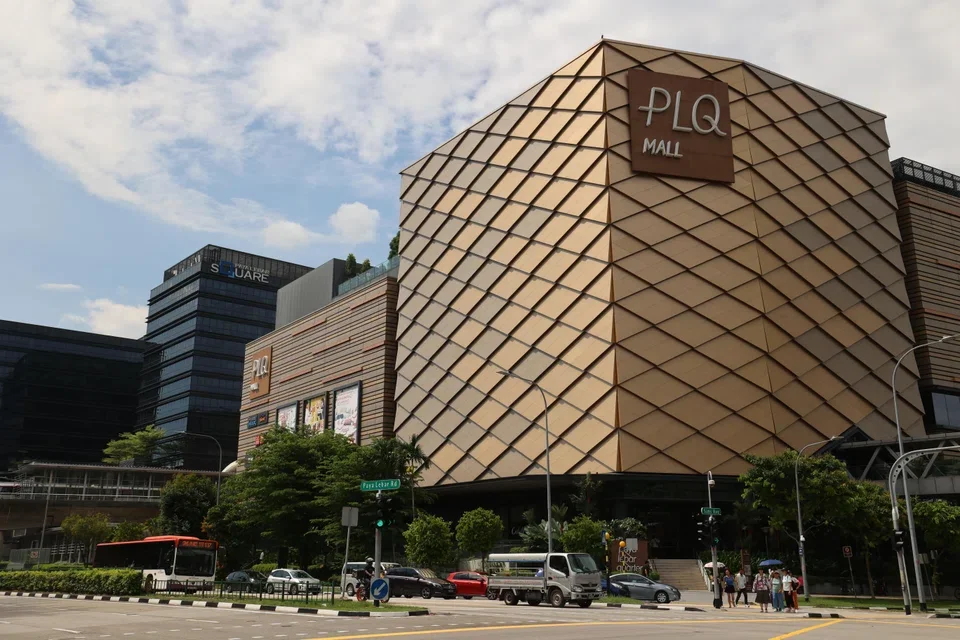
For investors assessing a Reit, occupancy is only one part of the picture. Temporary vacancies can weigh on the reported rate while space is being reshaped, but the effect on income depends on when the work finishes and how quickly the space is leased. The manager’s end-2026 completion target gives a point to track; the update did not provide a separate estimate of the work’s effect on rental income.
Retail activity and leasing
Retail performance was stronger on rents and activity. The portfolio recorded positive rental reversion of 10 per cent for the quarter, meaning rents on renewed leases were higher than before. That provides evidence of pricing strength in the leases completed during the period, though it does not establish what rents will be on future renewals or across every property.

Visits rose 27.4 per cent year on year and tenant sales increased 45.5 per cent. The manager said PLQ Mall’s inclusion for the full quarter was the main driver of both gains. On a like-for-like basis excluding the mall, visits were up 6.7 per cent and tenant sales rose 8.1 per cent year on year.
That distinction matters when judging the trend. The headline growth rates reflect a change in the comparison base as well as activity at the existing portfolio. The like-for-like figures offer a clearer view of performance excluding that effect, and they still show growth in visits and tenant sales. Neither measure, on its own, indicates how much of the additional sales translated into rent collected by the Reit.

The lease profile provides another measure of near-term exposure. Weighted average lease expiry stood at 4.4 years by net lettable area and 3.4 years by gross rental income. The different readings show that the share of rental income coming up for renewal is weighted toward leases with a shorter remaining term than the area-based average might suggest. The manager described expiries as well spread.

Only 4.8 per cent of net lettable area and 7.7 per cent of gross rental income are due for renewal in FY2027. These figures put the next year’s renewal workload in context: the income share due for renewal is higher than the corresponding area share. Outcomes will depend on the rents agreed when those leases are renewed, as well as occupancy across the portfolio.

Borrowing costs and funding
Gross borrowings were S$1.7 billion as at Sep 30. Gearing, the proportion of assets funded by debt, declined to 38.7 per cent from 38.9 per cent as at Jun 30. The quarter-on-quarter movement was modest, while the debt balance gives a sense of the scale against which borrowing costs and interest coverage need to be assessed.

The weighted average cost of debt fell to 2.5 per cent per annum, compared with 2.75 per cent per annum reported earlier for FY2026. The manager linked the improvement chiefly to loans associated with PLQ Mall that were refinanced at a lower borrowing cost. About 68 per cent of borrowings were hedged to fixed rates as at Sep 30, which limits the share directly exposed to changes in interest rates while those arrangements remain in place.

The interest coverage ratio was 2.1 times. The manager said benefits from a lower blended funding cost following June’s perpetual securities refinancing would accrue progressively over time. The reported cost of debt and coverage ratio provide a current snapshot; the pace at which refinancing benefits flow through, and the cost of future borrowings, will shape how those measures develop.
What to watch in FY2027
The manager identified savings from lower contracted electricity tariffs and positive rental reversions contracted in FY2026 as opportunities for FY2027. Both could support property income, although the update did not quantify their expected contribution. Their impact will depend on the timing of tariff savings and the leases underlying the agreed rental increases.
The key signals ahead are whether occupancy recovers as PLQ Mall’s reconfiguration progresses, whether like-for-like retail activity continues to grow, and how the portfolio’s upcoming lease renewals translate into income. Lendlease Reit units ended Friday flat at S$0.545 before the business update.


