Daiwa House Logistics Trust Weighs Sendai Sale and Hiroshima Acquisition
The proposed shift would replace a sharply underoccupied Sendai warehouse with a fully leased Hiroshima facility, lifting projected distributions and lowering leverage.
Daiwa House Logistics Trust is proposing to sell a warehouse in Miyagi prefecture and acquire a fully occupied logistics facility in Hiroshima, shifting capital toward an asset that the manager says could lift income and portfolio occupancy. The transactions would exchange a property whose occupancy fell to 23.9 per cent in October for one leased to two large third-party logistics companies.

The proposed sale consideration for DPL Sendai Port is 13.5 billion yen (US$85.8 million), 2.7 per cent above the average of two independent valuations of 13.15 billion yen as at Sep 30. The proposed purchase price for DPL Hiroshima Itsukaichi Port is about 8.2 billion yen, 16.7 per cent below its independent valuation of 9.9 billion yen on the same date.
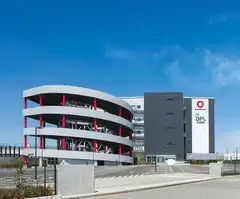
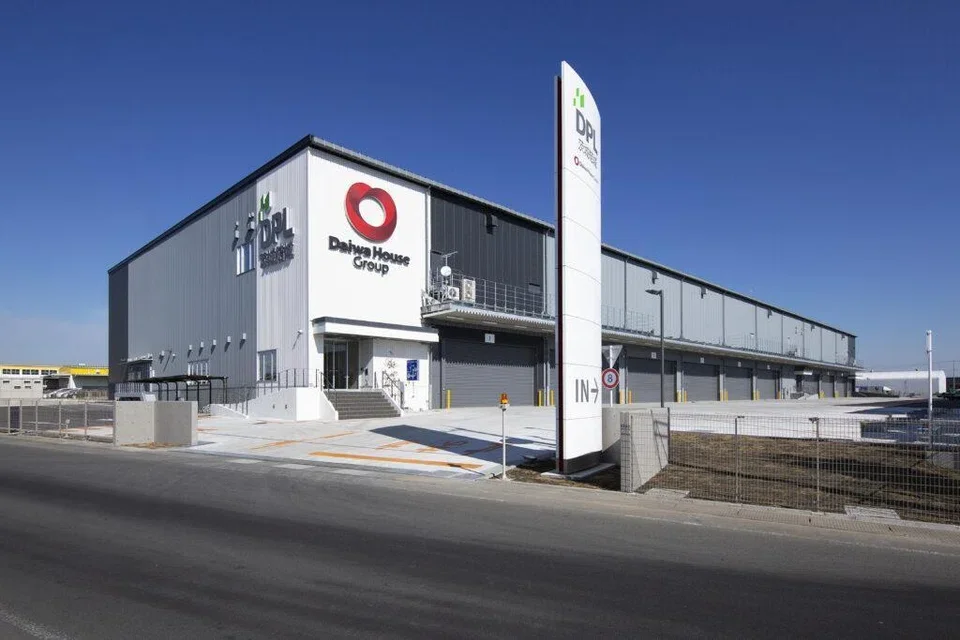

One of the trust’s properties is DPL Ibaraki Yuki, located about 100 km from central Tokyo. PHOTO: DAIWA HOUSE LOGISTICS TRUST

Why Sendai is on the block
The manager is proposing to sell DPL Sendai Port to the trust’s sponsor, Daiwa House Industry. The sponsor was the only party to make an offer during the manager’s exercise to gauge market interest in the property.

Occupancy at the Miyagi warehouse had dropped to 31.9 per cent as at Sep 30, from 100 per cent as at Dec 31, 2024, and slipped further to 23.9 per cent in October. That decline comes alongside weakening property income: net property income was 246 million yen in FY2025, compared with about 554 million yen in FY2024.
The property’s weighted average lease expiry by gross rental income was 2.7 years as at Sep 30. That measure indicates the average remaining lease duration, weighted by each lease’s contribution to rental income. A shorter lease profile can leave a property more exposed to turnover and re-leasing needs; here, the more immediate concern is the sharp drop in occupied space.

The manager said substantial capital spending would be needed to improve the property’s marketability through asset enhancement work. It also expects an extended period of downtime and little income contribution while that work is undertaken. Those costs and interruptions make the sale a way to exit an asset facing both near-term vacancies and a potentially lengthy improvement programme.
Hiroshima offers a different income profile
DPL Hiroshima Itsukaichi Port was fully occupied as at Sep 30, with two large third-party logistics companies as tenants. The manager says adding it would raise the trust’s portfolio occupancy to 96.9 per cent on a pro forma basis, from 88.5 per cent. The contrast with Sendai is central to the proposed reshuffle: the Hiroshima property brings current rental income and occupancy, while Sendai requires investment to address substantial vacancy.
The Hiroshima facility recorded net property income of 471.2 million yen in FY2025. Its weighted average lease expiry by gross rental income was 2.3 years as at Sep 30, shorter than Sendai’s 2.7 years. Both properties therefore have leases that will need to be managed over time; the purchase case rests on the Hiroshima asset’s present occupancy, income and physical features.
The facility is freehold and built to modern specifications. A ramp allows vehicles to reach the second floor, which the manager says can support cargo handling and give tenants flexibility in how they use the floors. Rooftop solar panels have an aggregate capacity of 1.7 megawatts peak.
Its location also figures in the rationale. The asset sits in a developed port industrial district that the manager says is suited to round-the-clock operations, about 10 km from central Hiroshima. The location offers access to consumption centres and a pool of labour, both relevant to logistics tenants. The manager also described the supply of large multi-tenanted facilities in the Hiroshima market as tight, with market-wide vacancy at 0 per cent since the fourth quarter ended Dec 31, 2023.
Projected income and leverage effects
The manager estimates that the transactions would increase net property income by 4 per cent for FY2025 and 7.9 per cent for the first half of FY2026. It also projects distribution per unit to improve by 5.5 per cent for FY2025 and 11 per cent for H1 FY2026. These are estimates based on the proposed transactions; the outcomes will depend on completing the deals and on the properties’ operating performance.
Aggregate leverage as at Jun 30, 2026 is expected to fall from 40.1 per cent to 38.3 per cent on a pro forma basis. The lower projected ratio would give the trust more financing flexibility, according to the manager, while the sale and purchase would alter the portfolio’s mix of locations, occupancy and tenant exposure.
Chief executive Jun Yamamura said the transactions are expected to be distribution-per-unit accretive and strengthen the balance sheet, giving the trust financing flexibility to pursue future growth. The manager’s projections frame the proposal as both an income and balance-sheet move, but the central operational test is whether the Hiroshima asset’s full occupancy and income can offset the risks associated with lease expiries and the trust’s other holdings.
The trust’s units ended Friday at S$0.41, up 1.2 per cent, or S$0.005, before the proposal was reported. The proposed transactions’ eventual contribution will depend on their completion and on the properties’ performance after the portfolio change.


