Aurora Targets 1,000 Driverless Trucks by 2027 After Supplier Delays
Aurora expects to miss its 2026 fleet goal, but says resolved supplier issues leave it on pace for 1,000 trucks by the end of 2027.
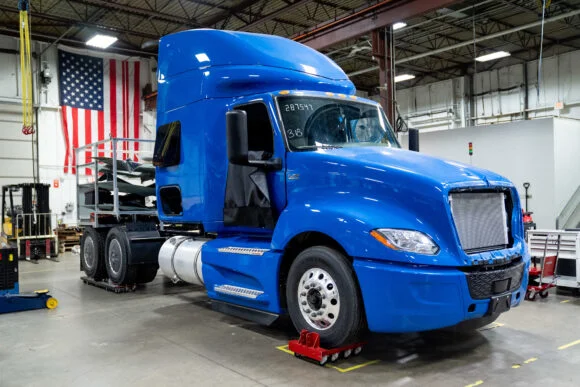
Aurora Innovation expects to miss its 2026 fleet target after supplier constraints slowed production, pushing its goal of 200 trucks on the road to next February. The company says those supply problems have been resolved and it remains on pace to put 1,000 trucks on the road by the end of 2027. The gap between those milestones will test whether Aurora can turn demand for driverless freight into trucks in service and revenue.

The delay has consequences for the current year’s financial plan: Aurora said it will fall short of its revenue goal for 2026. Chief Financial Officer David Maday said the company now has more demand than it can serve from nine customers. That customer interest supports the expansion case, but delivery capacity is the immediate constraint.
At a Roush Enterprises plant near Detroit, workers complete final assembly on Aurora’s trucks. The factory is expected to produce up to 20 self-driving Class 8 trucks a week in December. Maday said capacity could double as demand grows. Assembly remains largely manual because, at the current volume, automating the work doesn’t make sense.

Production capacity and customer demand
Roush modifies International Class 8 trucks by removing parts associated with human driving and fitting Aurora’s road-ready technology. The equipment includes cameras, lidar and sensors. Aurora’s current trucks are built by International Motors, a subsidiary of Germany’s Traton Group; Roush handles their final assembly.
Aurora says its driverless operations began in July. Hirschbach Motor Lines, McLane Co. and Detmar Logistics are among the customers running them. The company is operating on selected routes in the Southwest and expects to add highway routes as its fleet grows. Maday said the autonomous system can adapt to new roads without requiring extensive time on each route, though the pace of expansion will also depend on production and customer deployment.

The company’s broader targets are much larger: 1,000 trucks by the end of 2027 and 30,000 by the end of 2030. Reaching the nearer milestone would be a substantial increase from this year’s planned fleet, but the 2030 ambition requires a sustained scale-up in manufacturing and operations. The December production pace offers an early marker; it doesn’t establish how quickly Aurora can maintain or expand output.
A shift in who owns the trucks
Aurora plans to change how it serves freight customers as it expands. It currently owns and operates driverless trucks for clients. Its intended model would have shipping customers own the trucks while Aurora manages their fleets. Maday said the company expects positive cash flow in 2028, supported by higher revenue and fewer assets on its books.

That shift could reduce the capital Aurora needs to hold in vehicles, while placing ownership with customers. The transition depends on customers being willing and able to buy trucks, and on Aurora building the fleet-management business it describes. The company’s stated demand from nine customers gives it a potential base for growth, but the source doesn’t specify how many trucks each customer wants or when they would enter service.
Funding the expansion remains another factor. Aurora ended the third quarter with more than $1 billion in liquidity. Maday said management may raise additional capital opportunistically to provide a buffer for the balance sheet; issuing more shares is one option. The amount and timing of any additional financing weren’t specified. For a company still building production and revenue, cash availability will shape how quickly it can add trucks before the planned shift toward positive cash flow.
Execution after a difficult ramp
Aurora’s path to commercial service has included cost reductions in 2022, a fundraising effort in 2024 and a delay in going fully driverless with commercial trucks until 2025. Co-founder Sterling Anderson left in May of last year to become chief product officer at General Motors. The company’s shares, which rose above $17 after it became publicly traded, now sit at around $5 a share.
Vehicle development has also involved a change in approach with Paccar. Aurora took the human driver out of its trucks last year, but Paccar asked that a person remain in the cab. Aurora is working with the truck maker on a future generation without a driver in the cabin. Maday described Paccar as cautious and said it wanted a person present because of liability concerns.
Those earlier setbacks help explain why the latest production schedule matters. Aurora says it has resolved the supplier issues behind the current delay, but hitting the next milestones will require the company to turn that fix into steady output. Its case rests on several linked steps: producing more trucks, putting them into customer service, expanding routes and generating enough revenue to support the business as it moves toward a different ownership model.
“Our story is now pretty straightforward,” Maday said. “We’re driverless, we’re producing trucks and we have plenty of demand for this year and next.” The next evidence will come from the pace of deliveries after December, whether customers can absorb the additional fleet, and whether Aurora can meet its 2027 target after missing the 2026 one.


