Screwworm Reaches Arizona as U.S. Cases Rise to 71
A dog in Cochise County marks Arizona’s first confirmed case, with 18 U.S. infections still active and 10 in New Mexico.
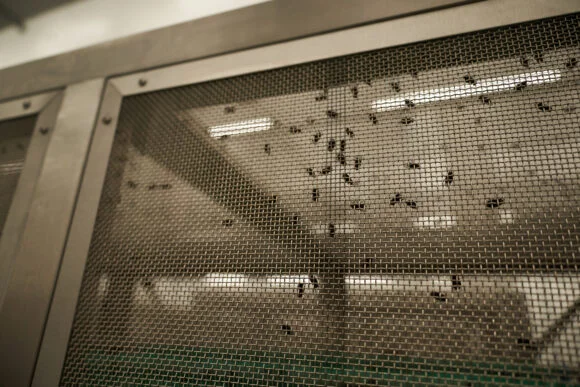
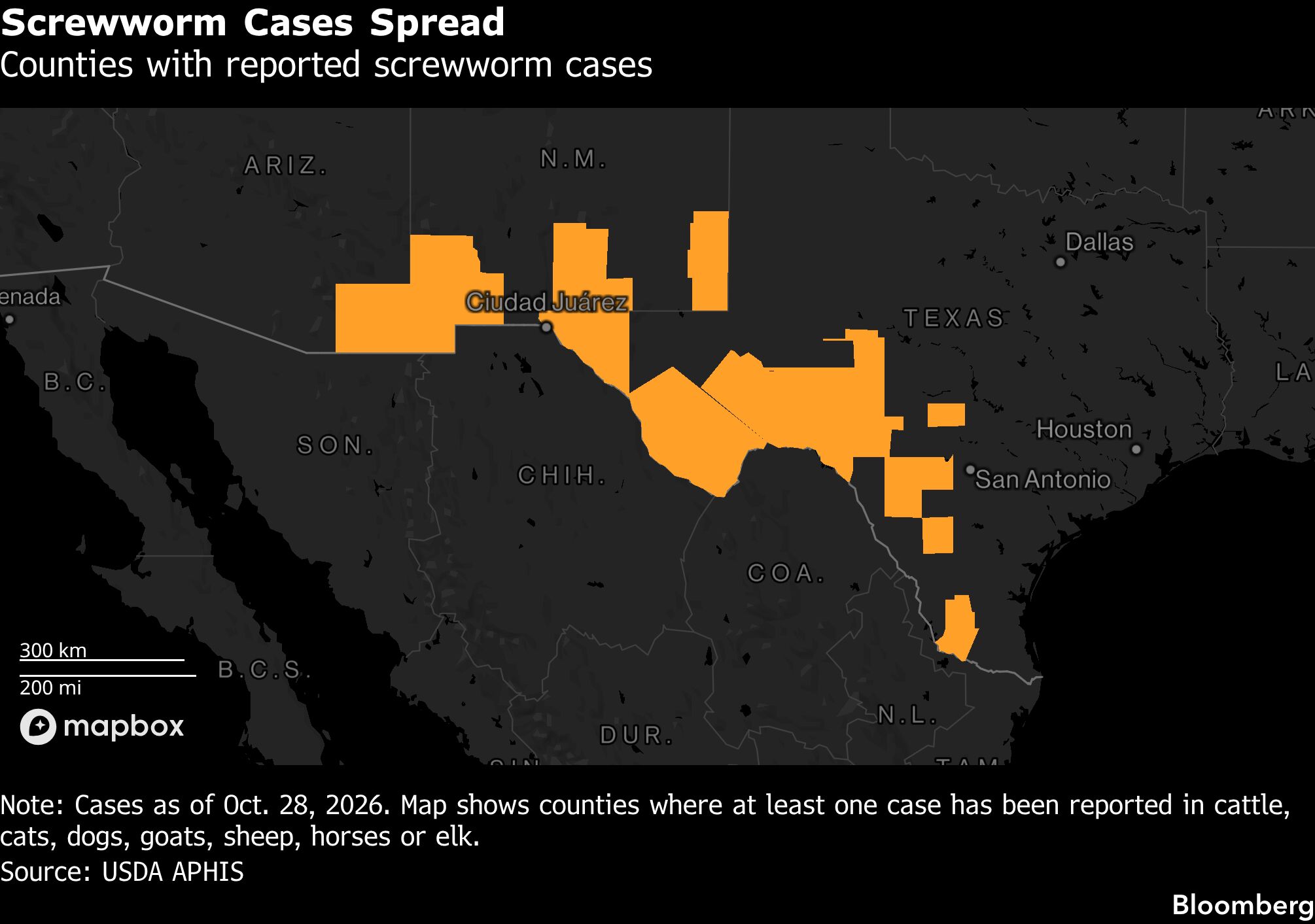
Arizona’s first confirmed New World screwworm case adds a third state to the U.S. outbreak and puts fresh focus on how animal movement and the pest’s spread are being managed. The infection was found in a dog in Cochise County, where a veterinarian examined a heavily infested wound earlier this week.

The U.S. Department of Agriculture confirmed the case late Wednesday. The Arizona Department of Agriculture said the maggots in the wound were consistent with New World screwworm. The parasite’s larvae infest wounds in animals, and the latest case extends the outbreak west into Arizona.
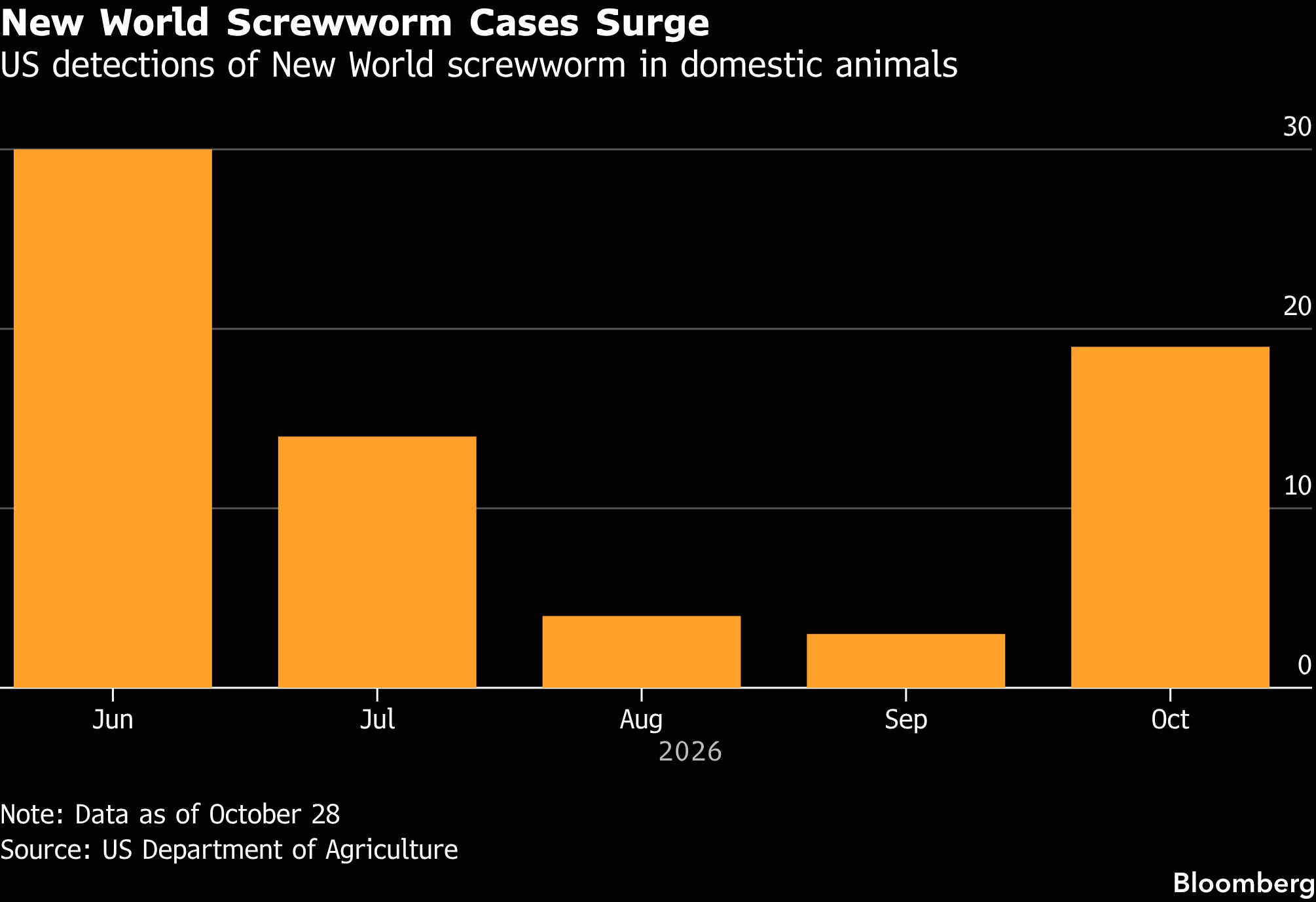
There have been 71 U.S. cases since the pest was first detected in the country in June, USDA data show. Eighteen cases remain active, including 10 in New Mexico. October is the second-busiest month for cases so far, a sign that the outbreak has gathered pace after early infections were concentrated largely in Texas.

Animal movement shapes the spread
The fly does not travel far on its own, so the movement of animals is a key factor in how infections can reach new areas. That makes both livestock shipments and wildlife movement relevant to ranchers, whose cattle and wild animals may use the same terrain.

A wild elk was found infected last week, the first wildlife case reported in the U.S. The infection was spotted by a hunter, whose proximity to wildlife during hunting season can make it easier to identify cases in animals that are harder to monitor routinely. Wildlife infections raise concern because they can extend the pest’s reach beyond herds that are more directly observed.
Cross-border cattle shipments have also increased after ports in Arizona and New Mexico reopened to cattle from Mexico. Shipments had been largely halted since late 2024 amid concern about the pest spreading north from Mexico. A phased reopening began in late August. Through Oct. 16, more than 30,000 cattle had entered the U.S. through Douglas, Arizona, and another 9,000 had passed through a more recently opened entry point in Santa Teresa, New Mexico, USDA data show.

Control efforts face a timing constraint
USDA inspections and the dispersal of sterile male flies are central parts of the response described in the source. The sterile flies are intended to curb reproduction, and the approach had appeared largely effective over the preceding months. Its reach, though, depends in part on the pest spreading slowly enough for targeted dispersals to keep pace.
That timing matters because a larger Texas facility for producing sterile flies is not scheduled to begin operating until next year. The Arizona case, alongside the concentration of active cases in New Mexico, adds pressure to control the spread while current production capacity remains limited. The source does not specify how many sterile flies are being released or how large the planned facility’s output will be.
The outbreak also follows a longer northward return. The U.S. and South American countries had previously pushed screwworm south of Panama. The fly began spreading north again after the pandemic and reached Mexico in late 2024. Mexico still has more than 2,000 active cases, according to the cited data.
Exposure extends beyond cattle
Cattle face the greatest threat, particularly when young animals graze across wide pastures. But screwworm has also affected goats and horses. The five most recent U.S. cases before this report involved four dogs and one cat, underscoring that the outbreak is not confined to livestock. Arizona’s first case adds another dog to that pattern.
The source says the pest is not a food safety issue: severely infested animals do not enter the food supply, while recovered animals may do so after passing inspections before and after slaughter, according to the USDA. For ranchers and livestock businesses, the immediate picture hinges on whether new infections remain limited enough for surveillance and sterile-fly dispersals to contain them. The case count, active infections and movement of animals across the Southwest will show how difficult that task becomes.


