Paid Creators Bring California’s Billionaire Tax Debate to Instagram
Creators on both sides of California’s proposed 5% billionaire tax are posting sponsored content, as digital spending grows and disclosure shapes the debate.

California’s proposed one-time tax on billionaire assets is being debated in personalized social feeds as well as through conventional advertising. Paid creators can give the measure a human voice and a ready-made audience, but their posts also raise questions about who is speaking, who is paying, and how clearly viewers can tell the difference.
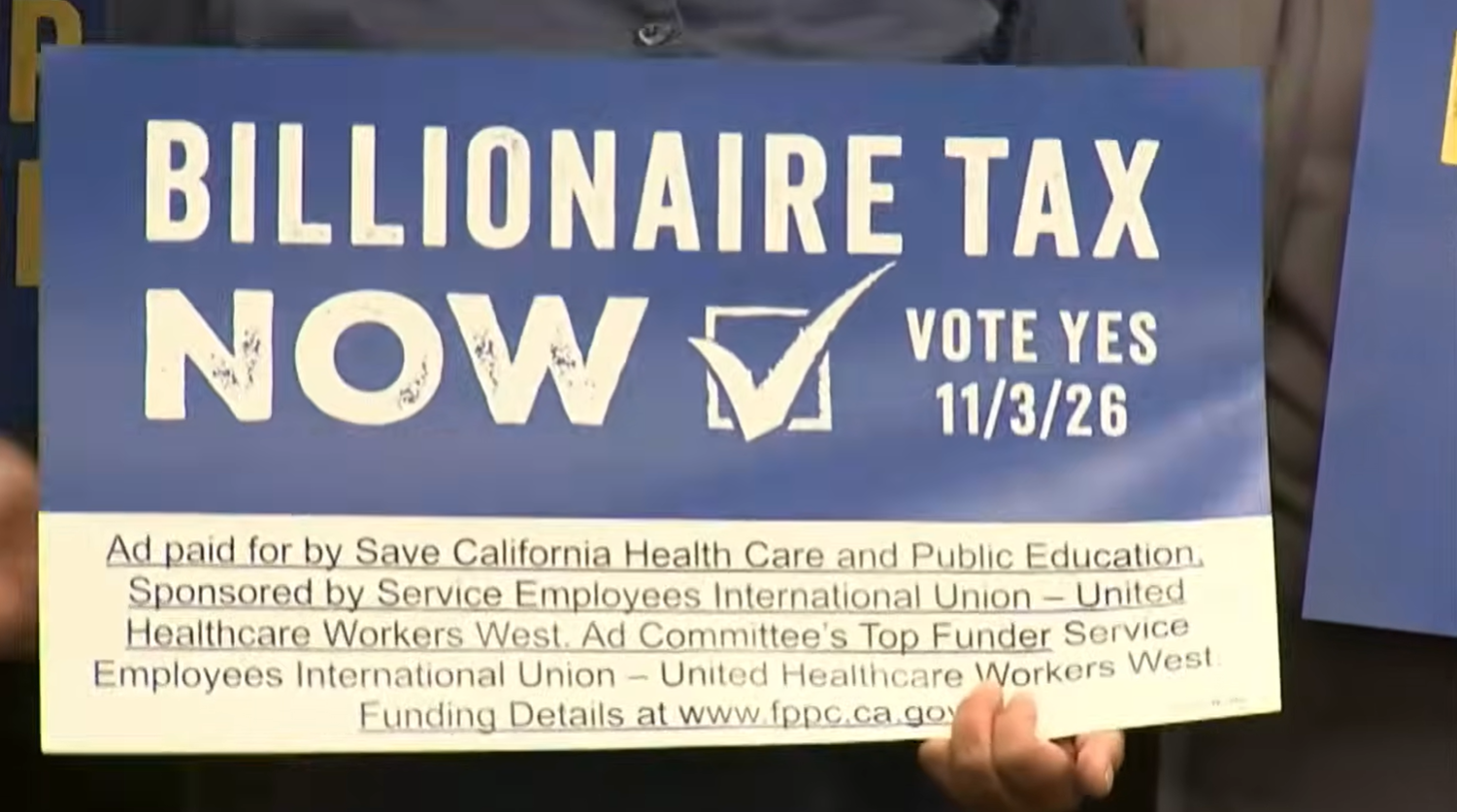
Proposition 40 would impose a one-time 5% tax on the assets of roughly 200 California billionaires. Other measures, including Proposition 42, could block it. The competing arguments have reached creators whose usual posts cover parenting, food, travel and everyday life, making the issue part of content streams that audiences may not associate with tax policy.

Sponsored posts reach audiences beyond conventional ads
Bartley Chavez, whose Instagram account has more than 47,500 followers, typically shares family activities, from budget-conscious outings to visits to a Halloween house and zoo. In an October video, she argued against Proposition 40, saying she didn’t want to experiment with California jobs, family finances or the state economy. The caption disclosed that the group opposing the measure paid her to publish the post.

The response showed the tradeoff creators face when they take a public position. Some commenters supported Chavez; others said they had unfollowed her or called her a “sell out.” She didn’t respond to a request for comment.

Leigh McGowan, a Los Angeles author with more than 3.5 million followers across platforms, came to the issue from the other side. She already supported a wealth tax when the Proposition 40 effort began paying for some of her posts. In a sponsored Instagram video, she described the proposal as a one-time tax that would help people beyond the wealthy.

McGowan said audiences increasingly look to creators to explain complex issues, amid distrust of traditional media. Her account of why followers listen is tied to perceived authenticity: people want to hear what a creator believes, she said. That connection can make a post more persuasive than a conventional advertisement. It also makes sponsorship disclosure central to how viewers assess the message.
Digital spending is large, but creator payments are hard to track
The scale of the surrounding advertising is substantial. AdImpact projected that California’s 2026 political advertising spending would approach $1 billion, more than in any other state, with roughly $114 million expected to go to digital platforms including Facebook, Google, Snapchat and X.
Groups opposing Proposition 40 have significant resources. More than $350 million has been contributed to oppose the wealth tax and support Propositions 41 and 42. Sergey Brin, Google’s co-founder, is among the billionaires who donated millions to Building a Better California, a group funding ads against the proposal.
Those totals show the size of the broader messaging effort, but they don’t reveal how much is paid directly to creators. Campaign finance records identify digital media spending without necessarily breaking out influencer fees. That leaves an incomplete picture of how money moves from groups to individual accounts, even as the creators’ posts are visible to their audiences.
Rates can vary widely. An October report from the Center for Democracy & Technology and the Communication Technology Research Lab at the University of Pittsburgh found that some creators receive a few hundred dollars, while others can earn as much as $30,000 for a post. The report also emphasized that payment and sincere belief can coexist: a creator may be compensated and still support the position being promoted.
Evan Westrup, a spokesperson for the coalition opposing Proposition 40, said a modern effort needs to be present where people get information. Suzanne Jimenez, chief of staff for the healthcare union SEIU-UHW, which backs the tax, said her side’s social media content and impact have outperformed wealthier opponents despite being heavily outspent. The competing claims underscore that total spending alone doesn’t establish how audiences respond.
Creators draw lines around sponsorship and persuasion
The Speech Prof, also known as Professor Chesko, has more than 1.7 million combined followers on Instagram and TikTok. He said he declined a large payment to oppose the tax, then later published a video supporting it and disclosed that the Proposition 40 effort paid him. He said the amount was smaller, and pointed to the healthcare union’s role and his previously stated position. He didn’t respond to a request for comment.

His example complicates any simple reading of sponsored content. Payment can shape which messages appear and how often, but it doesn’t automatically establish that a creator has changed their view. For viewers, the useful facts are the sponsorship, the creator’s stated position and the reasons offered in the post.
Other creators have focused on Proposition 42, which prohibits new taxes on “retirement holdings, individually-owned assets, and other forms of personal savings.” It conflicts with the billionaire tax proposal. If both measures pass, the one with the most “yes” votes generally would become law, according to the source article.
Karen Clay-Fenderson, a Los Angeles mother and retired teacher with more than 120,000 Instagram followers, posted videos about Proposition 42. She said she had researched the measure and was concerned about protecting her retirement and savings. Clay-Fenderson disclosed that the Proposition 42 effort paid her, while stopping short of telling viewers how to vote. She said she was cautious because followers listen to her and should make their own choice.

Disclosure helps, while fragmented feeds complicate the picture
California requires creators to disclose payment from political groups. The source reports that legislation signed in September allows fines of up to $5,000 per post for creators who fail to disclose paid political content. Platforms set their own rules, too: Instagram permits paid political ads, while TikTok prohibits them, though enforcement has been a concern.

Nathan Click, a spokesperson for the Proposition 42 effort, said its partners disclose their compensation and follow campaign laws. That assurance comes from a representative of the group, while platform enforcement and the visibility of creator payments remain separate questions.
UCLA information studies professor Ramesh Srinivasan warned that personalized feeds can expose people to sharply different accounts of the same debate. If each person sees a different reality through creators, artificial intelligence or targeted social media, he said, it becomes harder to establish common ground for decisions.
That is the broader significance of this influencer push. Creator posts bring the tax debate into familiar settings and can explain arguments in a personal voice, but audiences may encounter different claims with limited visibility into the spending behind them. As the competing measures are weighed, sponsorship disclosures and the distinction between a creator’s own convictions and paid distribution will remain key context for interpreting what appears in the feed.


