Why Profitable Businesses Can Still Face a Payroll Cash Crunch
A cash reconciliation and dated forecast show how receivables, inventory, debt payments and distributions can leave a profitable business short on payroll.

A business can report $60,000 in net income and still have only $15,000 in the bank. The gap matters most when payroll is due before a customer pays. For accountants advising owners, the useful conversation starts with the cash movements behind the balance, then moves to the dates when money must arrive and leave.

Show where equity sits
Begin with the number the owner is looking at: net income, retained earnings or total equity. A sizable retained earnings figure can prompt a fair question about why that money isn’t available for payroll. Walk through the client’s balance sheet, identifying cash, unpaid customer invoices, inventory and equipment. Equity is the residual after liabilities; it’s not a separate pool of cash. Earlier profits may have funded assets the business now owns.

The distinction between profit and cash is easier to grasp when the owner can connect each balance sheet item to a past or current use of funds. The assets, liabilities and equity explanation can support that walkthrough. A financial statement guide also offers a reference for clients who want to review how the statements relate.

Reconcile profit to the bank balance
Consider a distributor using accrual accounting. It starts the month with $40,000 in cash, records $60,000 in net income and ends with $15,000. The example below isolates the assumed cash movements; it isn’t a complete financial statement.

| Item | Effect on cash |
| Opening cash balance | $40,000 |
| Net income | +$60,000 |
| Add back depreciation included in net income | +$5,000 |
| Increase in accounts receivable | −$45,000 |
| Increase in inventory | −$15,000 |
| Increase in accounts payable | +$10,000 |
| Cash purchase of equipment | −$20,000 |
| Loan principal paid | −$10,000 |
| Distributions paid to owners | −$10,000 |
| Closing cash balance | $15,000 |
In this simplified example, changes in receivables and inventory arise from ordinary operations, with no write-offs, acquisitions or other noncash changes. Operating adjustments produce $15,000 in cash. The equipment purchase, principal payment and owner distributions then use $40,000, leaving cash down $25,000 for the month.

Some entries warrant extra explanation. A $45,000 rise in receivables means more earned revenue remains uncollected. The inventory increase ties up another $15,000. Equipment uses cash to acquire an asset, while repaying $10,000 of principal reduces a liability; principal isn’t an expense included in net income. Interest expense already reflected in net income shouldn’t be counted again in the cash bridge. A cash flow statement overview lays out operating, investing and financing activity in separate categories.

Put the cash calendar on the table
With $15,000 on hand, the distributor owes $20,000 for payroll on Wednesday and expects a $30,000 customer payment on Friday. If no other activity occurs, Friday’s close would be $25,000. But the company is $5,000 short when Wednesday’s payroll comes due. To make payroll and keep a $10,000 cushion, it needs $15,000 more before that payment leaves.

The expected deposit needs checking. Has the customer released the payment? Does it still need approval, or is there a dispute? Record the expected date and the evidence behind it. A forecast is only as dependable as its timing assumptions.
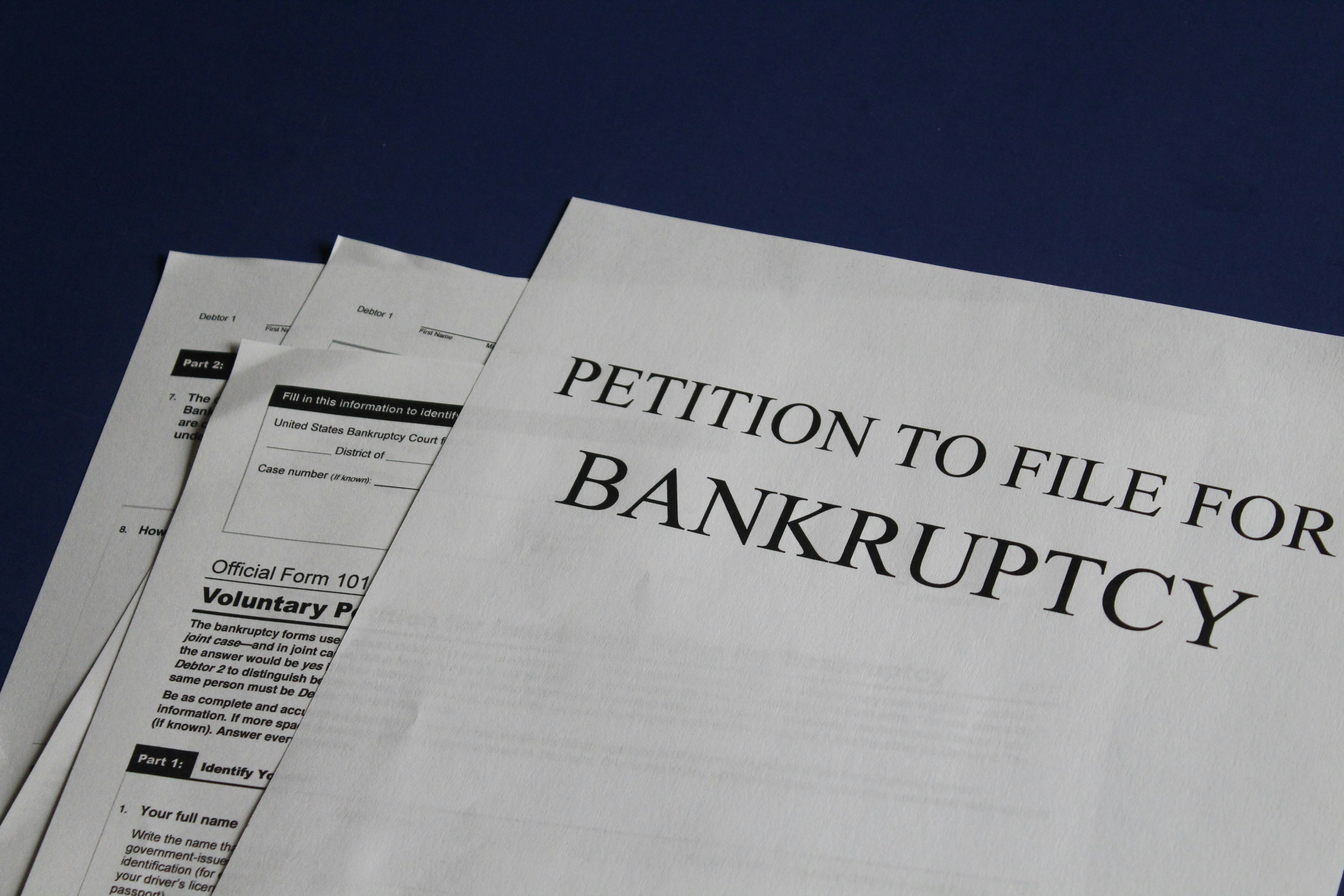
When cash is tight, map the operating cycle by day. Include debt payments, taxes, planned purchases and owner withdrawals. Begin with funds the business can use; keep restricted cash separate, and don’t count an unused credit limit as money already received. That dated view can expose a timing gap that a month end balance conceals.

Test whether the gap recurs
Now move the Friday receipt back a week and add another $20,000 payroll the following Wednesday. With no other changes, the deepest shortfall reaches $25,000. Maintaining the same $10,000 cushion requires $35,000. Both scenarios finish with $5,000 before additional financing; the difference is the cash pressure before the customer pays.
A delayed receipt and a recurring cash cycle call for different questions. If receivables are growing because sales are rising while customers pay on agreed terms, the business may need more working cash to support that growth. Older or disputed invoices point to collection problems. Inventory bought for confirmed orders differs from stock that has stopped selling.
Review practical changes with the owner: resolve an invoice dispute, delay a planned distribution or seek different purchasing terms from a supplier. Put a proposed change into the committed forecast only when its amount and timing have support. Until then, keep it as a scenario, not available cash.
Include financing payments and follow up
If financing remains under consideration, enter its fees, interest and principal on the dates due, and extend the forecast through the repayment period. Compare those payments with existing obligations. For a facility tied to receivables, confirm which invoices qualify and how much can actually be advanced; the invoice total alone doesn’t establish available funding.
Before closing the discussion, assign responsibility for checking the customer payment and set a date to revisit the forecast. Flag purchases or withdrawals that depend on that receipt. The key question isn’t simply whether the month was profitable. It’s whether cash will arrive in time for the next obligation—and how the answer changes if it doesn’t.


