Chicago’s $25 Monthly Employee Tax Faces Pritzker’s Renewed Opposition
Brandon Johnson’s proposed $25 monthly charge targets firms with at least 125 workers, but a job-location credit and council resistance leave its path uncertain.

Chicago Mayor Brandon Johnson’s proposed employee tax puts a clear tension at the center of the city’s budget debate: the plan seeks new revenue from large employers, while Illinois Gov. JB Pritzker argues that charging firms for each employee could discourage hiring. Johnson has added a credit tied to job locations in economically disadvantaged areas, but the proposal still faces a difficult vote count in the City Council.
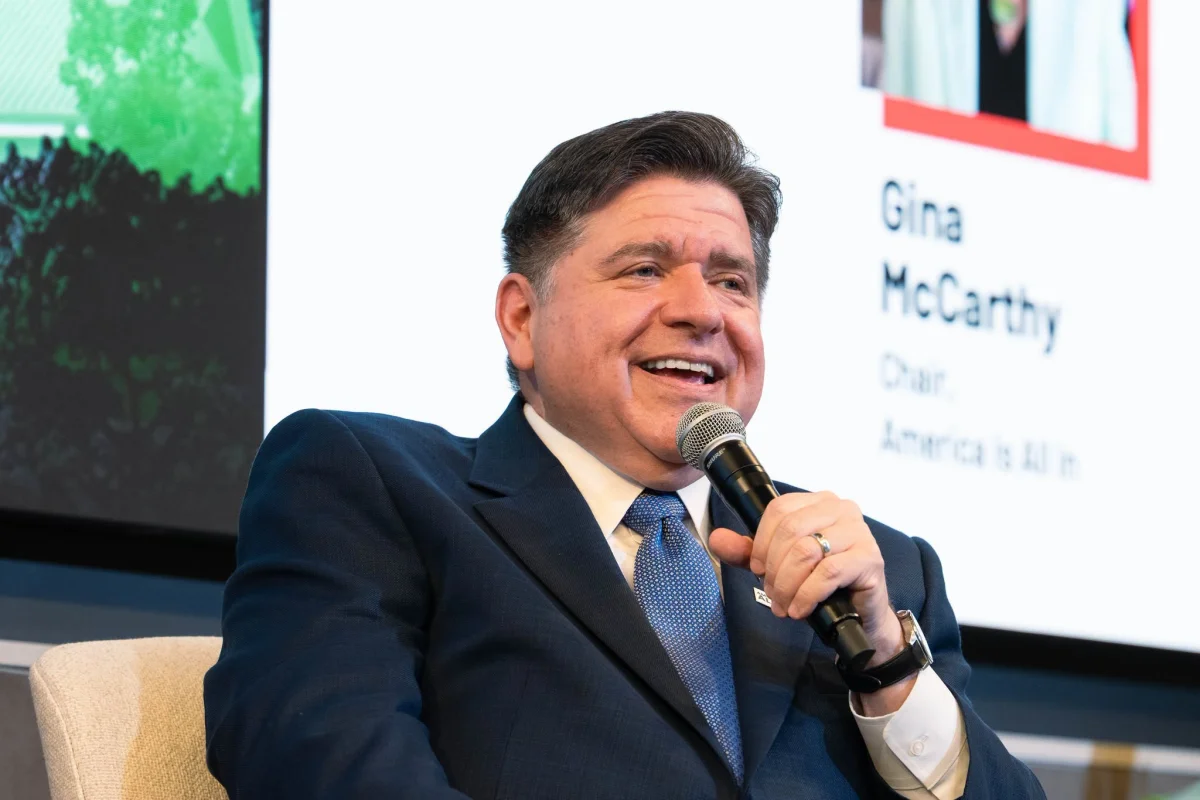
Pritzker restated his opposition Thursday after a news conference in West Englewood. His concern is the signal the charge could send to businesses weighing whether to expand their Chicago workforce. “I do not think that is a great way to provide revenue for the city,” he said, adding that the tax could tell employers “don’t hire more people.”

His position rests on a broader economic argument: more hiring can bring additional tax revenue to the city. Pritzker said he wants more people employed across Illinois and described affordability as a concern for the entire state. He also stressed his connection to Chicago, saying, “I love this city. I’m from the city. I live in this city.”

How Johnson’s proposal works
The latest version would charge companies $25 per month for each employee if the company has at least 125 workers. The proposal is part of Johnson’s fourth city budget pitch and follows an earlier version that failed to gain council support.

The new feature is a credit for qualifying jobs in economically disadvantaged areas identified through a city formula. Those areas are concentrated mostly on Chicago’s South, Southwest and West sides. Under the revenue ordinance, a company could receive the full $25 credit for an employee if that worker spends “the majority of scheduled work hours in any given calendar month” at a qualifying location.

The formula aims to connect the tax treatment to where work happens, rather than simply where a company is based. That distinction may matter to firms with offices or operations across several parts of the city. The proposal also assigns the city comptroller responsibility for setting rules for services of a “peculiar nature” when it is difficult to establish whether the work falls within a designated area.
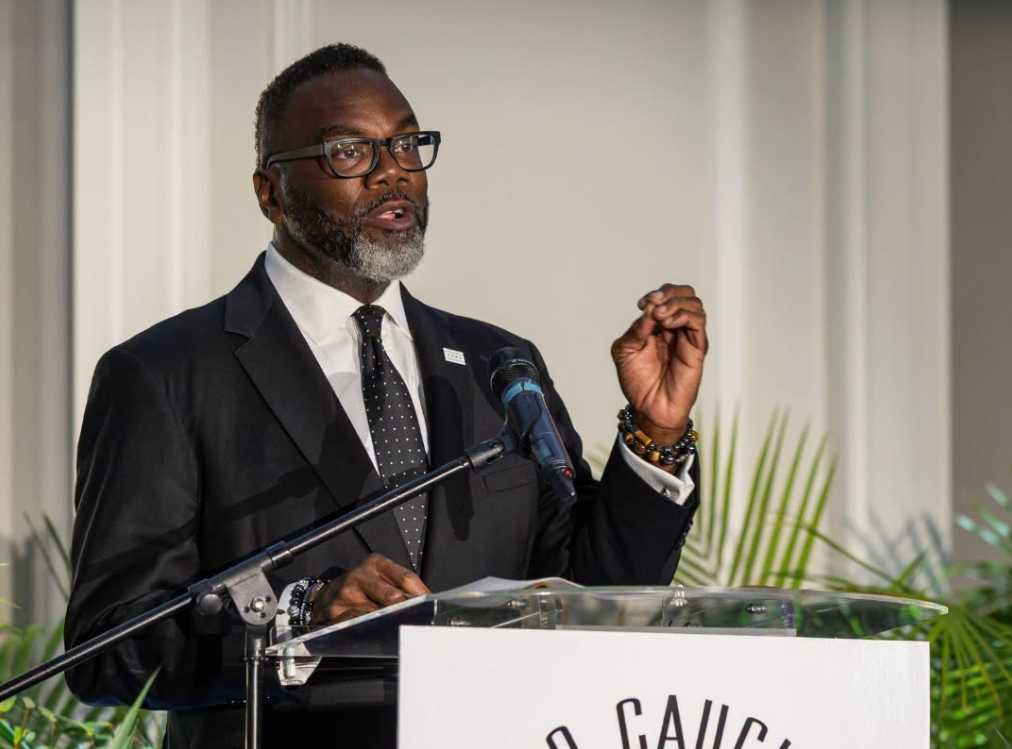
That provision leaves practical questions to be resolved in the rules: how employers document work locations and how the city handles jobs that do not fit a conventional office pattern. The article does not spell out those procedures. For employers, the credit’s value will depend on how clearly the final rules define eligibility and what records companies must keep.
A dispute over revenue and hiring
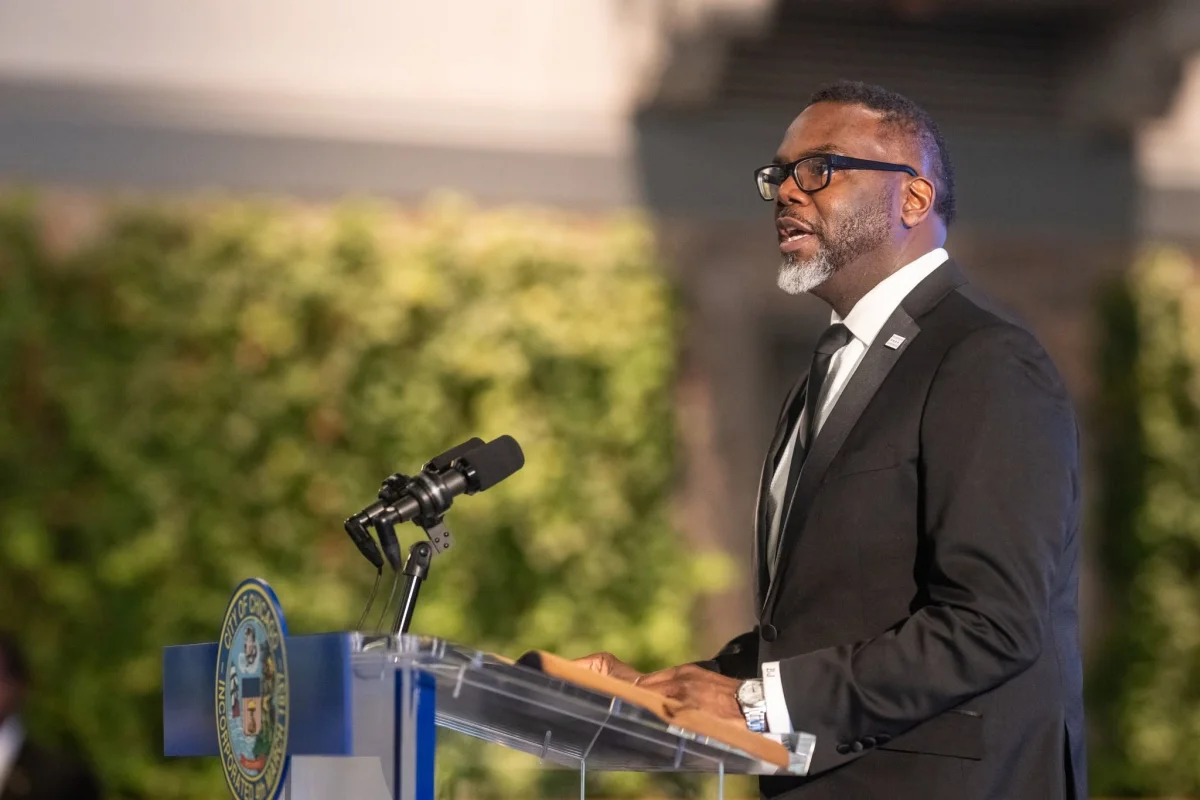
Johnson’s spokesperson, Griffin Krueger, said the credit is “designed to incentivize job growth and economic development in socioeconomically disadvantaged communities.” The mayor’s office also argues that Chicago’s current authority to raise taxes on corporations is limited and is seeking expanded home rule authority to gain more options for raising progressive revenue.

Krueger said Johnson appreciates Pritzker’s support for a state-wide millionaires tax. That point highlights a difference in approach: Pritzker has urged another attempt at a progressive income tax, while Johnson wants a city-level revenue source as he confronts another large budget deficit for 2027. Johnson’s position is that Chicago should not have to wait for a broader income-tax change to pursue revenue from what he describes as the ultra-wealthy.
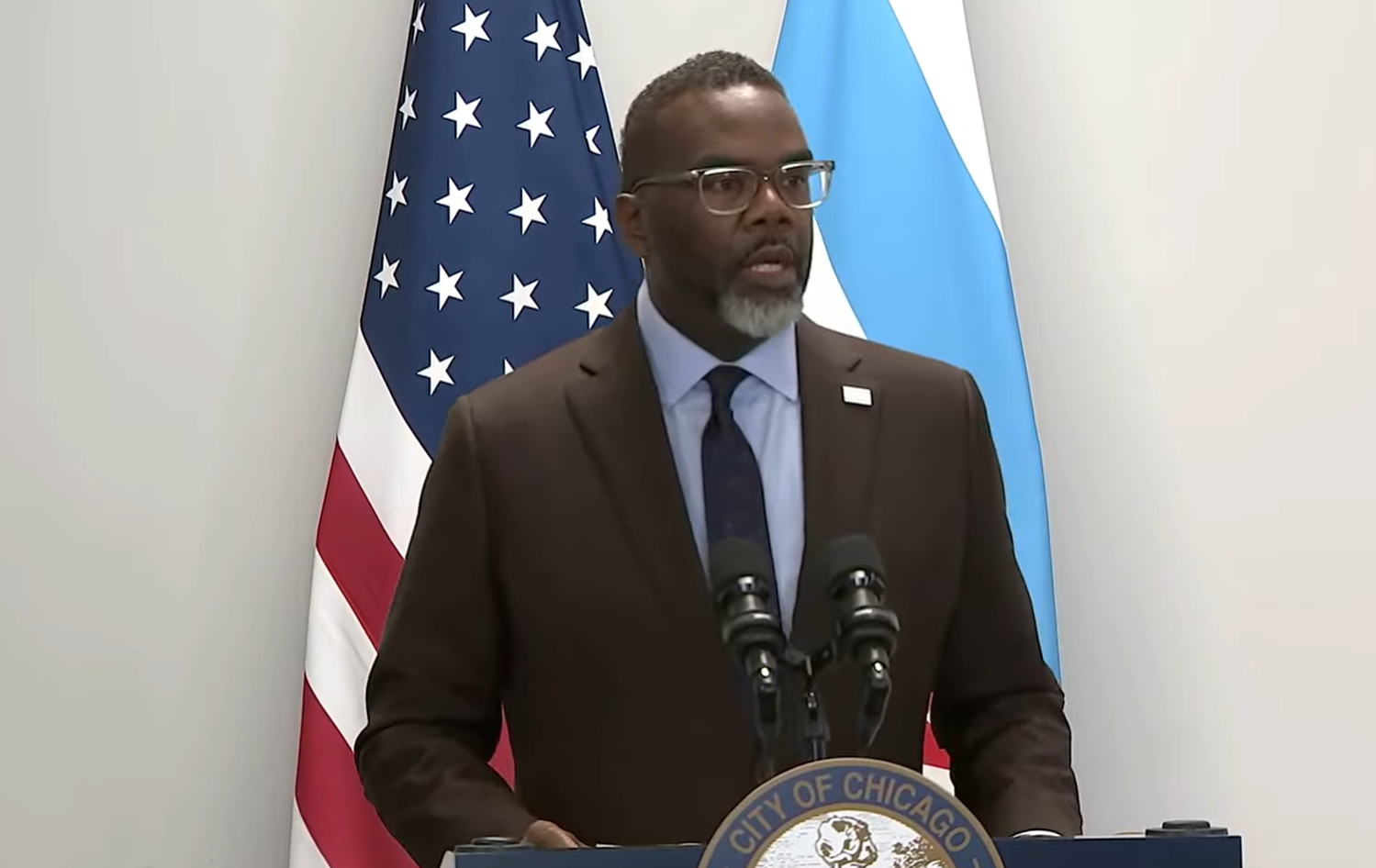
The disagreement is not new. Johnson first proposed a corporate employee tax in his 2026 budget proposal. Pritzker opposed that version, which would have set a $21-per-employee fee on large companies. The governor called himself “absolutely, four-square opposed” to it. The current proposal raises the monthly charge to $25 and adds the location-based credit in an effort to make the measure more acceptable to council members.
The clash has also played out in public. Last November, Ald. Byron Sigcho-Lopez, a progressive ally of Johnson, angrily challenged Pritzker in front of reporters in Little Village over the governor’s opposition. Pritzker responded by arguing for another effort to pass a progressive income tax, an approach that had failed in a 2020 referendum.

The council challenge
For now, the proposal’s immediate test is political arithmetic. Before Johnson presented the budget, 29 aldermen signed a letter opposing an employee tax. The mayor needs 26 votes to pass a budget, or 25 if he is prepared to cast a tie-breaking vote. That leaves little room to lose support, even with the new credit built into the plan.
Johnson is pitching the measure while facing a tough reelection contest and a substantial budget gap. His broader budget approach seeks to raise revenue from wealthier interests while avoiding new charges that fall directly on Chicago residents. Yet the employee tax could affect firms’ costs and hiring decisions, while its location credit is intended to encourage work in neighborhoods targeted by the formula.

Whether the revised design changes enough council members’ views remains unsettled. The central question is whether the credit can address concerns about jobs and neighborhood investment without making the revenue stream too uncertain or difficult to administer. Until the council settles the proposal, employers and residents are left weighing competing claims about city revenue, business hiring and the distribution of economic activity across Chicago.