High Street Tax Relief Funded by Gambling Duty and Online VAT Changes
A higher business rates threshold will benefit 70,000 businesses, funded by a gambling duty increase and new VAT collection duties for online platforms.
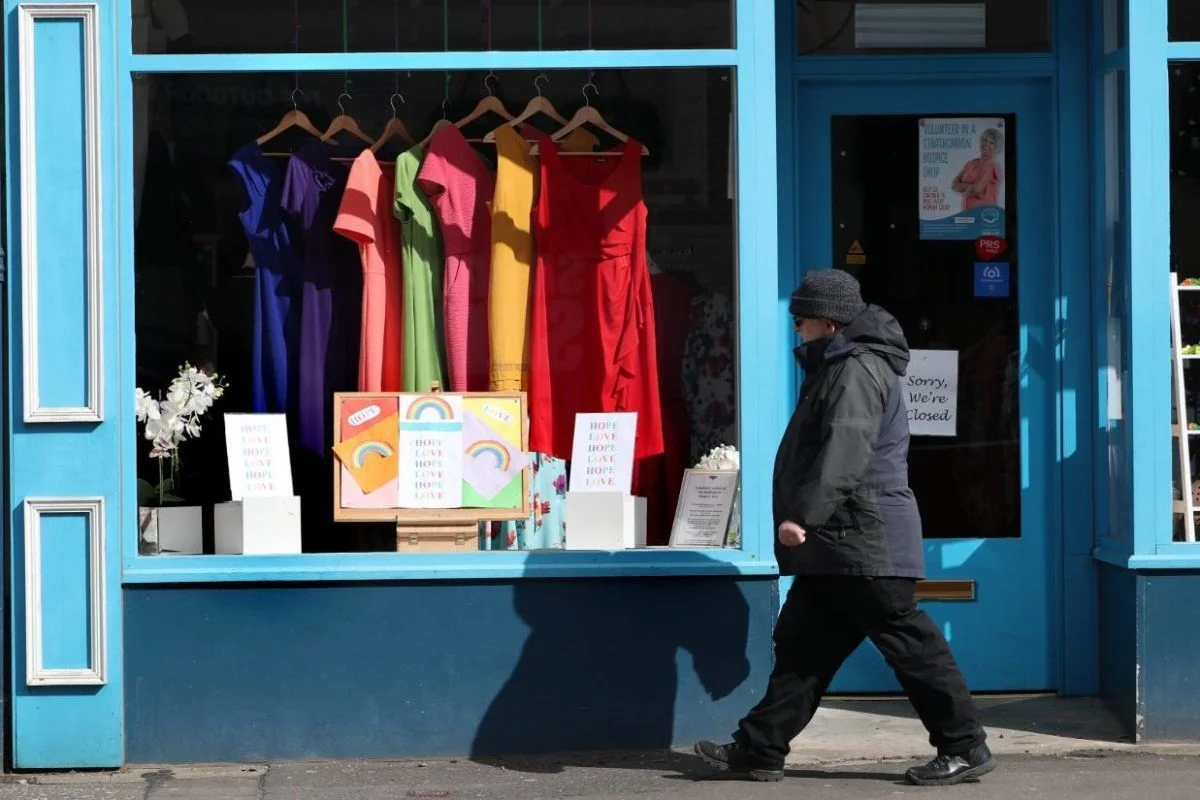
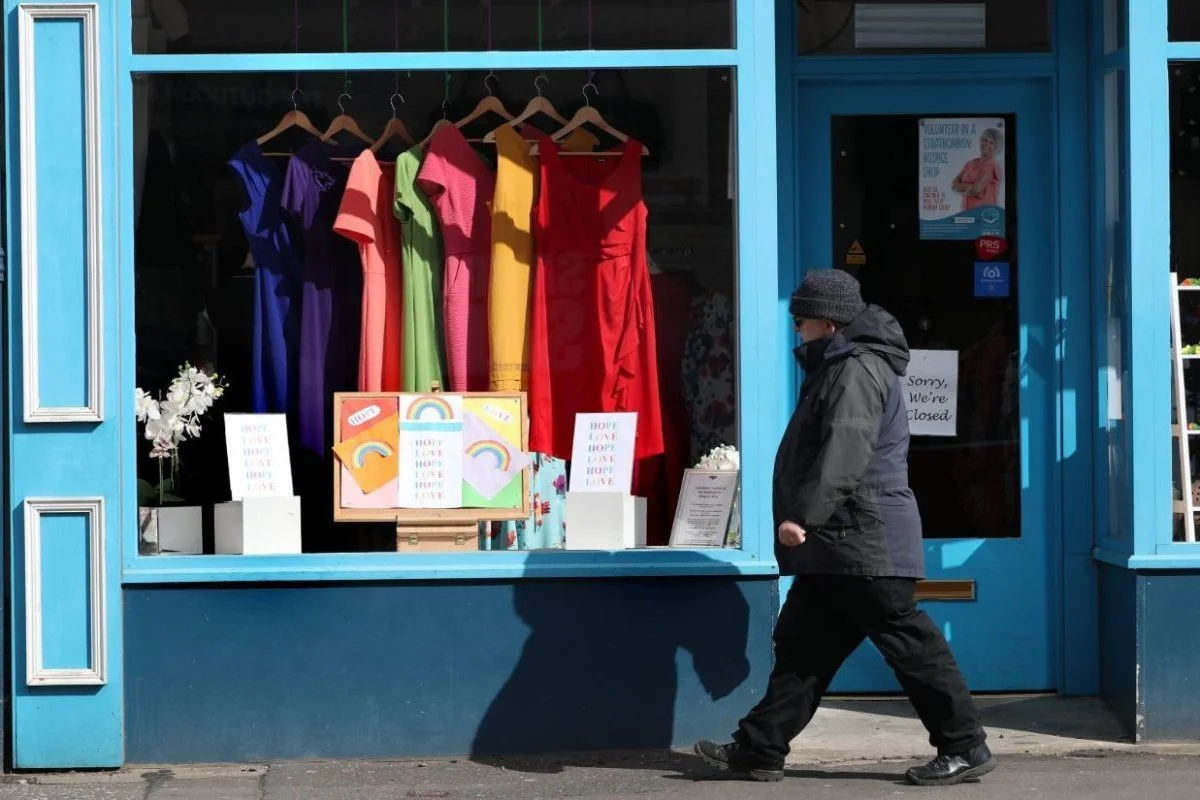
The package shifts the cost of high street relief onto gambling firms and online retail platforms, while sparing warehouses from the tax increase some retailers had feared. Its clearest immediate benefit is a higher threshold for business rates: small firms will begin paying only once the threshold rises from £12,000 to £18,000. John Healey said the change will benefit 70,000 high street businesses, leaving half of UK shops, restaurants and gyms outside the tax.
That relief is being financed through two measures with different effects. Machine games duty, paid by gambling firms, will rise from 20 per cent to 25 per cent. Separately, platforms such as Amazon and Ebay will become responsible for collecting VAT directly from sellers using their services. The source gives no estimate of the total cost of the relief or the revenue expected from either measure in this package.
Relief for physical retailers, new duties for platforms
The threshold increase is intended to lower fixed costs for smaller premises based businesses. For firms that qualify, a reduced rates bill can create more room to absorb rent, staffing and other operating expenses. The benefit will vary by business: the stated figures describe the number of businesses affected, but don’t specify the average saving or how the change applies to each firm’s bill.
Healey described the funding mix as a way to give high streets “Breathing space now, while taking the long-term action needed to get costs down for good.” He also said gaming machines and vape shops would help fund pubs, cafes and shops. The practical test will be whether the relief makes a material difference to costs for eligible businesses, and whether those savings persist as other expenses change.
For online retail, the change places VAT collection duties on platforms that connect sellers with customers. That could alter how these businesses handle transactions and seller accounts. The article doesn’t set out the operating details, including the start date, which sellers are covered or how platforms will manage collection. Those details will matter to both platforms and the businesses that depend on them.
Earlier reports suggested the online seller measure could raise about £1bn. That figure was an estimate reported before the package, rather than a confirmed forecast supplied alongside the measures. The distinction matters: the amount ultimately collected could depend on the rules, the sellers covered and how the change is put into practice.
Warehouse concerns recede as gambling firms face a smaller increase
The choice of funding also resolves two concerns raised before the Budget. Retailers had feared a tax increase on warehouses, but that option was ruled out ahead of the announcement. High street businesses had argued that warehouse costs could feed into prices paid by shoppers. The John Lewis boss called the proposed approach a “fundamental misunderstanding” of the high street. The new platform rules replace that warehouse measure in the funding plan.
Online platforms had welcomed the proposed crackdown before the Budget. London Mayor Sadiq Khan had argued that large e-commerce companies were not paying their fair share compared with physical retailers. The new collection responsibility addresses that concern by making platforms responsible for gathering VAT from sellers on their services, though the article provides no details on how the change will affect prices, seller margins or customer charges.
Gambling operators had faced the possibility of a much steeper increase in machine games duty, with a 40 per cent rate feared by betting firms. The final rise to 25 per cent is lower than that anticipated level. Shares in listed gambling companies responded positively to the news: Entain, which owns Ladbrokes, rose more than six per cent, and Rank, owner of Mecca Bingo, gained nine per cent.
That market reaction reflects the difference between the announced rate and the higher level firms had feared. It doesn’t show how operators will absorb the increase or whether their wider cost pressures will ease. Some large companies have already announced cuts after tax increases introduced in the previous Budget. Evoke, owner of William Hill, said last week that it had closed 270 betting shops over the past year. Flutter, owner of Paddy Power, has outlined plans to cut around 1,400 jobs across the UK and Ireland.
The scale of possible effects was also highlighted by independent modelling commissioned by the BGC from EY. It estimated that doubling the duty could put almost 1,500 betting shops and 34 casinos at risk, with up to 16,000 jobs potentially affected. That scenario concerns a doubled duty, rather than the 25 per cent rate announced here, so it should not be read as a direct estimate of the effects of this package.
The measures create a clear divide among affected businesses: eligible high street firms stand to gain from a higher rates threshold, gambling operators will face a five percentage point increase in machine games duty, and online platforms will take on VAT collection duties. The amounts businesses ultimately save or pay will depend on implementation and individual circumstances. For now, the key figures to watch are the number of firms receiving relief, the revenue generated by the two funding measures and how platforms put their new collection role into practice.


