Alphabet’s $500 Billion Slide Puts Google’s AI Spending Under Scrutiny
A shortfall in Google Services and slower search growth rattled investors as rising AI costs pressured expenses and free cash flow.
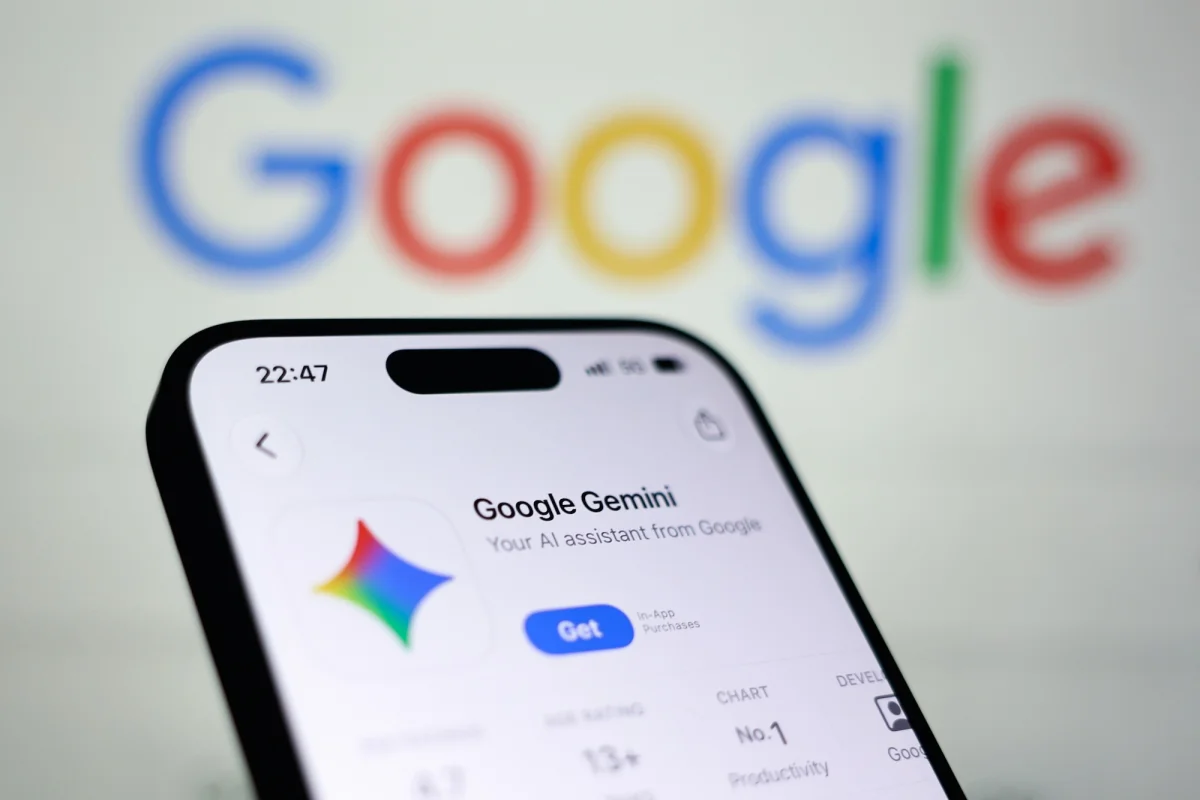
Alphabet’s one-day loss of roughly $500 billion in market value sharpened a question facing large technology companies: how much can they spend on artificial intelligence before investors demand clearer returns? The October 29 selloff followed results that showed pressure on Google’s core business alongside rising costs, and it helped pull the Nasdaq lower.
The market reaction reflects a change in what investors are weighing. Spending on data centers and AI models can support future products, but it also raises current expenses and ties up cash. That investment has been easier to accept while established businesses keep growing strongly enough to absorb the costs. Alphabet’s latest figures made that balance look less comfortable.
Core revenue missed expectations
Google Services, which includes search advertising, YouTube and subscriptions, generated $96.3 billion. Wall Street had expected $98.5 billion. Search revenue increased 12% year over year in the third quarter, down from 17% in the second quarter and 19% in the first. The figures point to a deceleration in a business that has helped fund the company’s larger technology investments.
The miss and slower search growth are related concerns, but they are not the same signal. The revenue figure shows that Google Services fell short of expectations for the period. The growth rates show that search revenue expanded at a slower pace across the first three quarters. Neither measure alone establishes what caused the slowdown or whether it will continue; together, they give investors less reason to assume that the core business will quickly offset rising costs.
Alphabet’s services span several activities, so the reported total does not tell readers how each one performed individually. Search advertising remains the focus in the source’s comparison of growth rates, while YouTube and subscriptions are included in the broader Google Services figure. That distinction matters: a segment total can miss expectations even as individual products move in different directions, and the figures provided here do not break out those contributions.
AI investment is becoming a cash-flow test
The company also reported operating expenses above expectations and negative free cash flow as it invests in data centers and new AI models. The source does not provide the expense or cash-flow amounts, so the scale of the change cannot be compared numerically with earlier periods from these details alone. Still, the direction is clear: spending is rising while cash generation is under pressure.
Data centers require substantial infrastructure, and developing AI models adds another layer of investment. Those costs arrive before the full commercial value of new capabilities is necessarily visible. For shareholders, the question is whether future revenue and productivity gains can justify the outlay. For customers, the potential benefit lies in new or improved services; the source gives no detail on how quickly those services might change or what they might cost. Employees and suppliers may also be affected as spending priorities shift, though the article offers no figures on staffing or procurement.
That gap between current spending and eventual payoff is not unique to Alphabet. When a company funds a major technology buildout, investors typically look for signs that the spending is translating into stronger sales, better margins or sustained cash generation. The source provides no return estimates or timeline for Alphabet’s AI investments. For now, the immediate evidence is a weaker growth pace in search, a shortfall in Google Services and pressure on cash flow.
Market signals carry limits
Mike O’Rourke, chief market strategist at JonesTrading, told The Wall Street Journal that Google “showed vulnerability to AI.” The remark captures the concern that AI could affect the economics of established search products even as Alphabet spends to build its own AI capabilities. The source does not identify a specific product change or quantify any effect on search use, so the comment is best read as a market interpretation rather than proof of a direct cause.
Alphabet’s stock also formed a “death cross”: its short-term average price fell below its long-term average. Some analysts view that pattern as a warning that a decline could continue. It is a technical measure of past prices, however, and does not explain the company’s operating results or establish what the share price will do next.
The sharp decline therefore combines several sources of concern: a revenue miss, slower search growth, higher-than-expected expenses, negative free cash flow and uncertainty about returns from AI investment. A single day’s market-value change shows how quickly expectations can reset; it does not measure the eventual success or failure of the company’s spending. The next useful evidence will be whether Google Services growth stabilizes and whether Alphabet can fund its AI buildout while restoring stronger cash generation.