India’s Milk Yield Reaches 8 Litres Per Animal as Dairy Investment Expands
India’s average daily milk yield has risen from under five litres in FY14 to 8 litres, alongside new breeding, Bio-CNG and farm infrastructure projects.
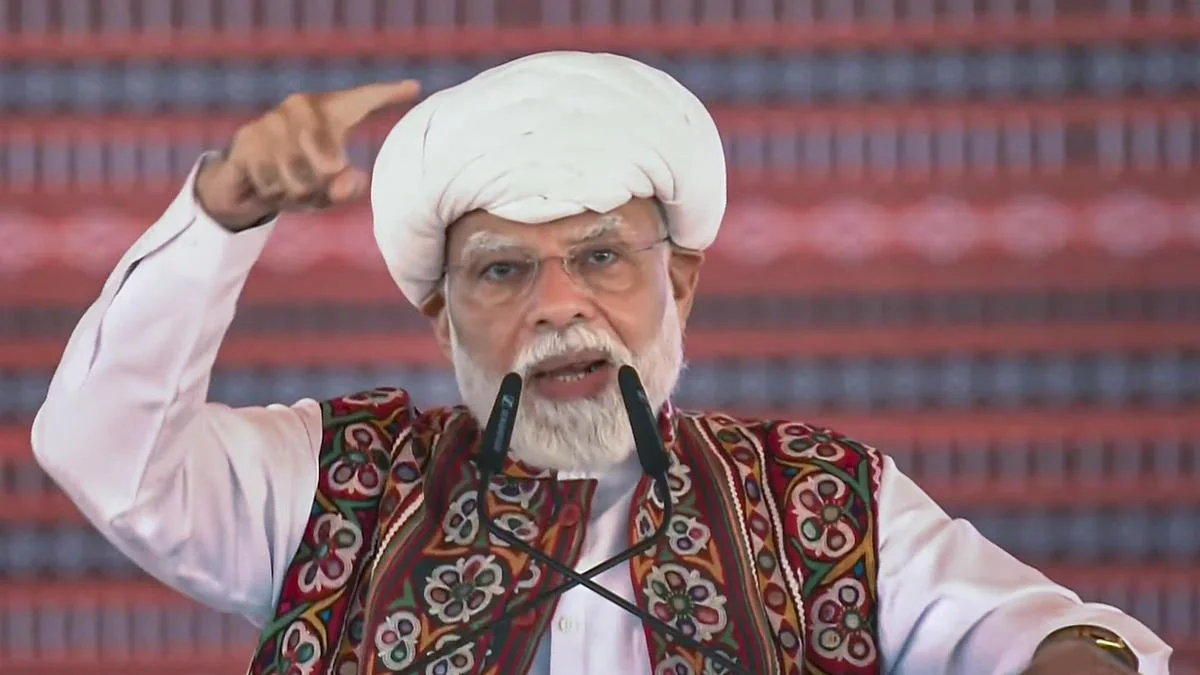
India’s average daily milk yield per cow or buffalo has risen to 8 litres from less than five litres in 2013-14, a change that puts animal productivity at the centre of the country’s expanding dairy economy. The figure was cited by Narendra Modi at a public meeting in Banaskantha, Gujarat, where he also outlined investments in cattle breeding, dung processing and agricultural infrastructure.
The yield measure matters because it connects the scale of milk production with output from each animal. India is the world’s largest milk producer, Modi said, and production is growing at the fastest pace globally. Higher yields can support greater output from existing herds, though the source gives no figures for herd size, regional differences, production costs or the share of farmers seeing similar gains. Those details will shape how much the national average says about individual dairy businesses.
Breeding centre targets indigenous animals
A new facility in Bhildi, Banaskantha, is intended to improve the productivity of indigenous cattle and buffalo. The Bharat Bovine Breeding and Research Centre covers 127 acres and is the country’s first dedicated centre for the Kankrej cattle breed. Its work is set to include genetic improvement and advanced reproductive technologies, with conservation and improvement efforts also covering Gir, Sahiwal, Mehsana and Jafarabadi breeds.
Modi said the centre could accelerate breed improvement by 10-20 times. That is a stated aim, rather than a reported productivity result: the source does not specify the baseline, measurement period or metric behind the comparison. The practical effect will depend on how breeding methods reach farms, how quickly improved animals become available and whether farmers can support them with suitable feed and care.
Breed programmes can take time to affect aggregate output. Their contribution depends on adoption and the results across many animals, while the national average may also reflect changes in management and farm practices. The new centre’s focus on several named breeds gives the initiative a broader remit than Kankrej alone, but the source provides no targets for animal numbers or expected milk volumes.
Dung processing adds another potential income stream
The dairy plans described in Banaskantha also extend beyond milk sales. Two Bio-CNG plants for Banas Dairy are planned at Tharad and Radhanpur, with combined cattle dung processing capacity of 175 tonnes per day. Modi said the aim was to help farmers earn from dung alongside milk, with biogas, Bio-CNG and organic fertilisers identified as possible sources of additional rural income.
For dairy households, using dung as an input could broaden the value generated by livestock. It also requires processing capacity and arrangements to collect and move material from farms to facilities. The source provides the plants’ combined daily capacity but no construction timetable, output forecast or estimate of income for participating farmers. Those operating details will determine how much of the proposed value reaches households.
Banas Dairy, a cooperative, is expected to play a role in building the infrastructure. The model described links farms, a dairy organisation and processing plants, with the cooperative positioned to coordinate facilities that may be difficult for individual producers to establish. Its reach and operating arrangements will matter to the potential scale of the added revenue.
Farm support figures and other initiatives
Modi also cited a combined ₹50 lakh crore that he said farmers had earned or saved through policies and welfare schemes over several years. The figures he listed include ₹4.5 lakh crore transferred to small farmers through PM-KISAN and ₹24 lakh crore paid to paddy and wheat farmers through minimum support price over the past 12 years. He also cited ₹16 lakh crore spent on fertiliser subsidies and ₹2 lakh crore in crop-loss compensation under the Pradhan Mantri Fasal Bima Yojana over the past 10-12 years.
These amounts cover different forms of support and different periods, so they describe a wide set of interventions rather than a single measure of farm income. The source does not give a breakdown of how the combined ₹50 lakh crore was calculated or how the listed figures relate to it. That limits direct comparison between the headline total and the separate programmes.
Under PM-KUSUM, 12 lakh solar pumps had been provided to farmers, Modi said. He attributed nearly 80 crore litres of avoided diesel purchases to the pumps and said electricity generated through them had added to farm incomes. Soil health cards and access to quality seeds were also cited as measures supporting productivity, though no outcome figures were provided for those initiatives.
Women’s rural businesses were another part of the address. Modi said women he met in Banaskantha reported producing milk worth ₹2 crore annually as a group. He also cited ₹35 lakh in annual honey sales by women in the district. India’s honey production had doubled over the past 12 years, he said, making the country the world’s second-largest exporter of natural honey, with self-help groups contributing to the sector’s growth.
Other projects announced in Gujarat included an expanded French fries processing plant for Banas Dairy at Sanadar and the widening of the Ahmedabad-Mehsana highway from four to eight lanes, at a cost of around ₹2,600 crore. The address also included metro extensions to the airport and GIFT City.
Modi dedicated 521 projects under the Agriculture Infrastructure Fund, with a total project cost of around ₹4,950 crore, and released the 24th PM-KISAN instalment of ₹19,000 crore. Activities also began under 12 horticulture clusters covering around 1.46 lakh hectares, expected to benefit more than 1.3 lakh farmers. North Gujarat is set to have potato-focused clusters.
The clearest measure to track from the dairy announcements is whether the 8-litre national average continues to rise and how broadly that change reaches farmers. Breeding outcomes, access to processing facilities and the economics of turning dung into fuel or fertiliser will help show whether the new infrastructure adds durable income alongside milk sales.


